


I recently visited the South Island of New Zealand with my husband Ron. I’ve been to the North Island a few times before, but this was my first foray down south.
These are our adventures. Each entry was written that day, except the last one, because we immediately went out bowling as soon as we got back and there was no time to write.
Day 1: Christchurch
As our plane approached Christchurch, the captain announced over the speakers that we would be delayed: Another plane had an engine problem and was being fast-tracked for landing. Afterward they would have to inspect the runway for leaked aircraft fluids, and if any were found we would be diverted to Wellington. Presumably the Christchurch runway would meanwhile be cleaned up using bottles of Coke, like the US highway patrol supposedly use to remove blood after a crash. A runway would surely need thousands of litres. I wondered how I could apply to be a runway fluid inspector/cleaner; it sounds like a cushy job, and there’s probably leftover Coke afterwards.
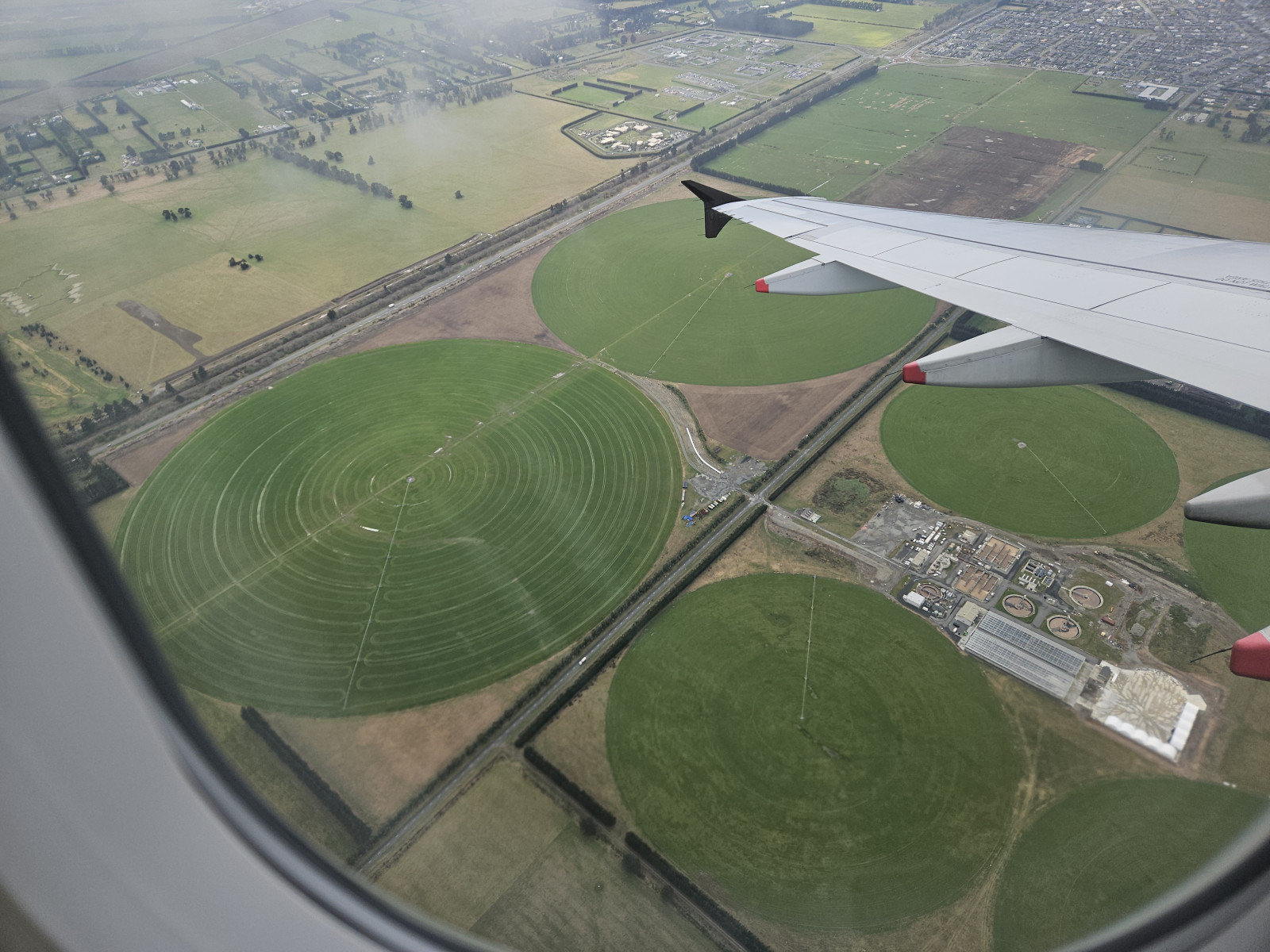
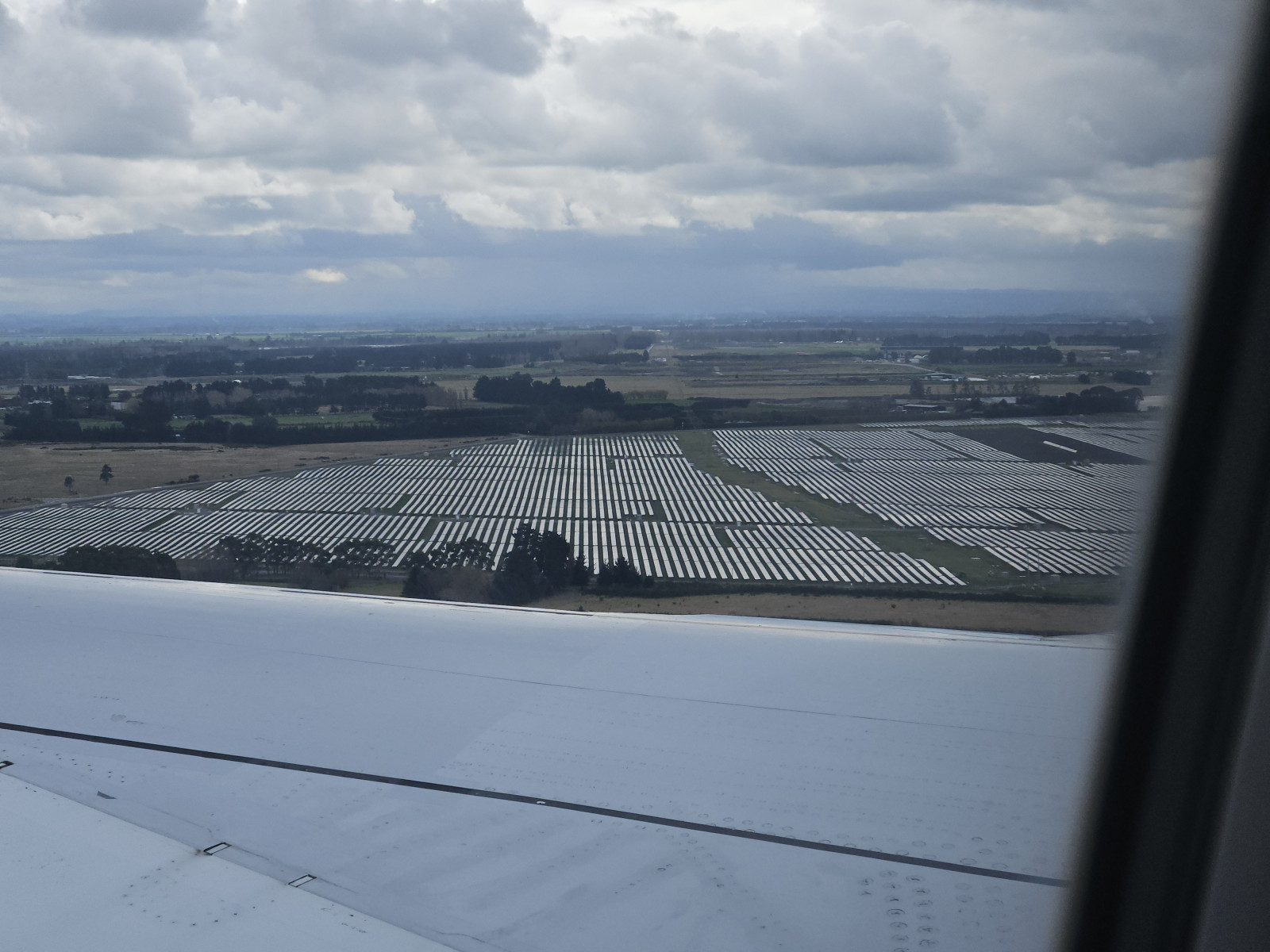
I guess the runway was certified dry, as we came in to land not long after. At the airport we picked up our rental car, a little Mitsubishi mini-SUV type of thing, and headed into the city.
The first thing you notice about Christchurch is that its founders were very keen on English place names. Just about every suburb seems to be named after somewhere in England. And the streets too: our hotel is on Worcester St, and parallel to that is Gloucester St. I feel certain there must be a Leicester St lurking nearby.
There are also a lot of churches here, though that’s unsurprising given that the city is named not only after churches as a concept, but also after the guy the churches are about. That seems redundant. But I guess the settlers wanted to make sure everybody understood what they were all about: Christianity, and Britain.
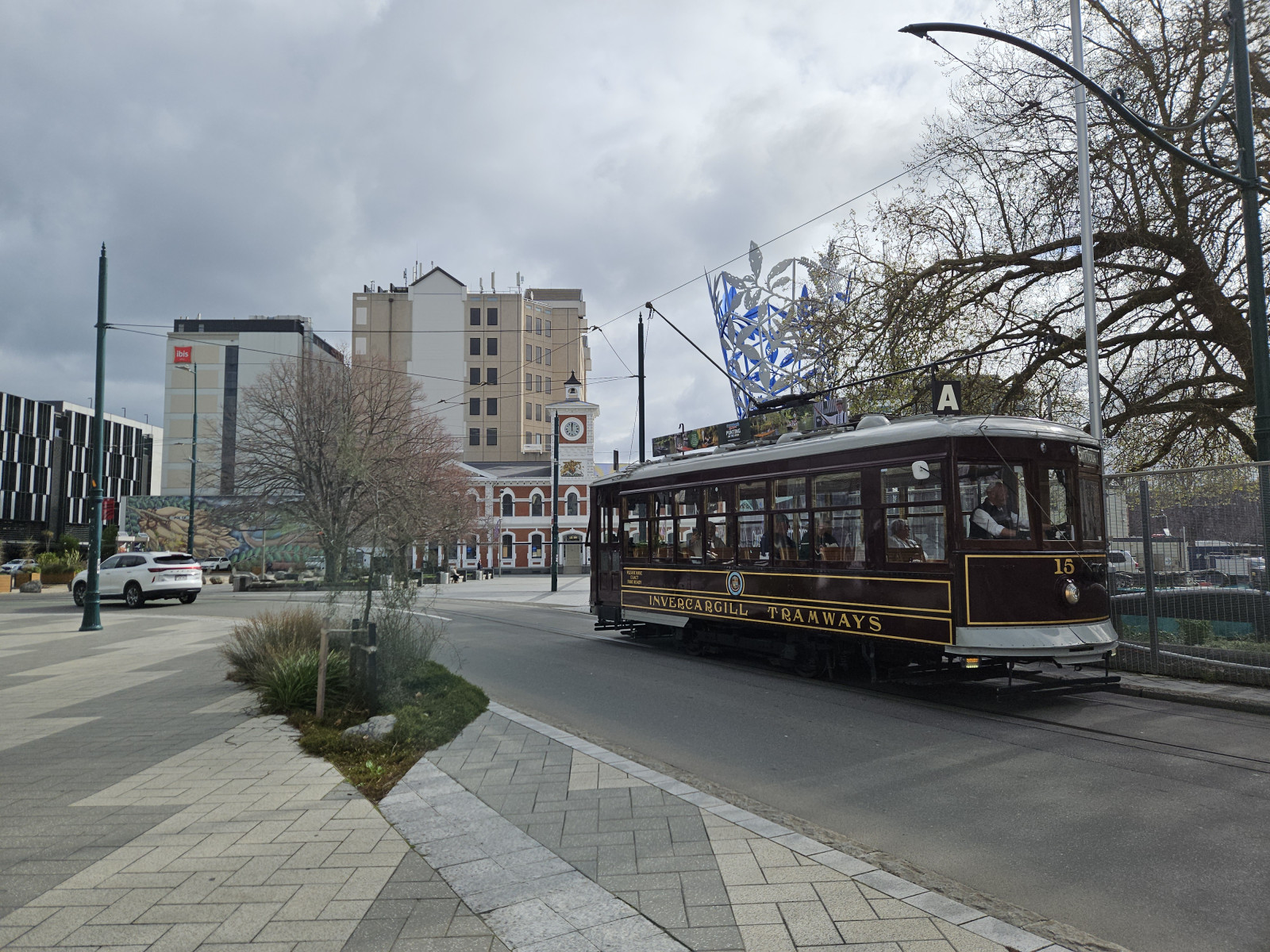
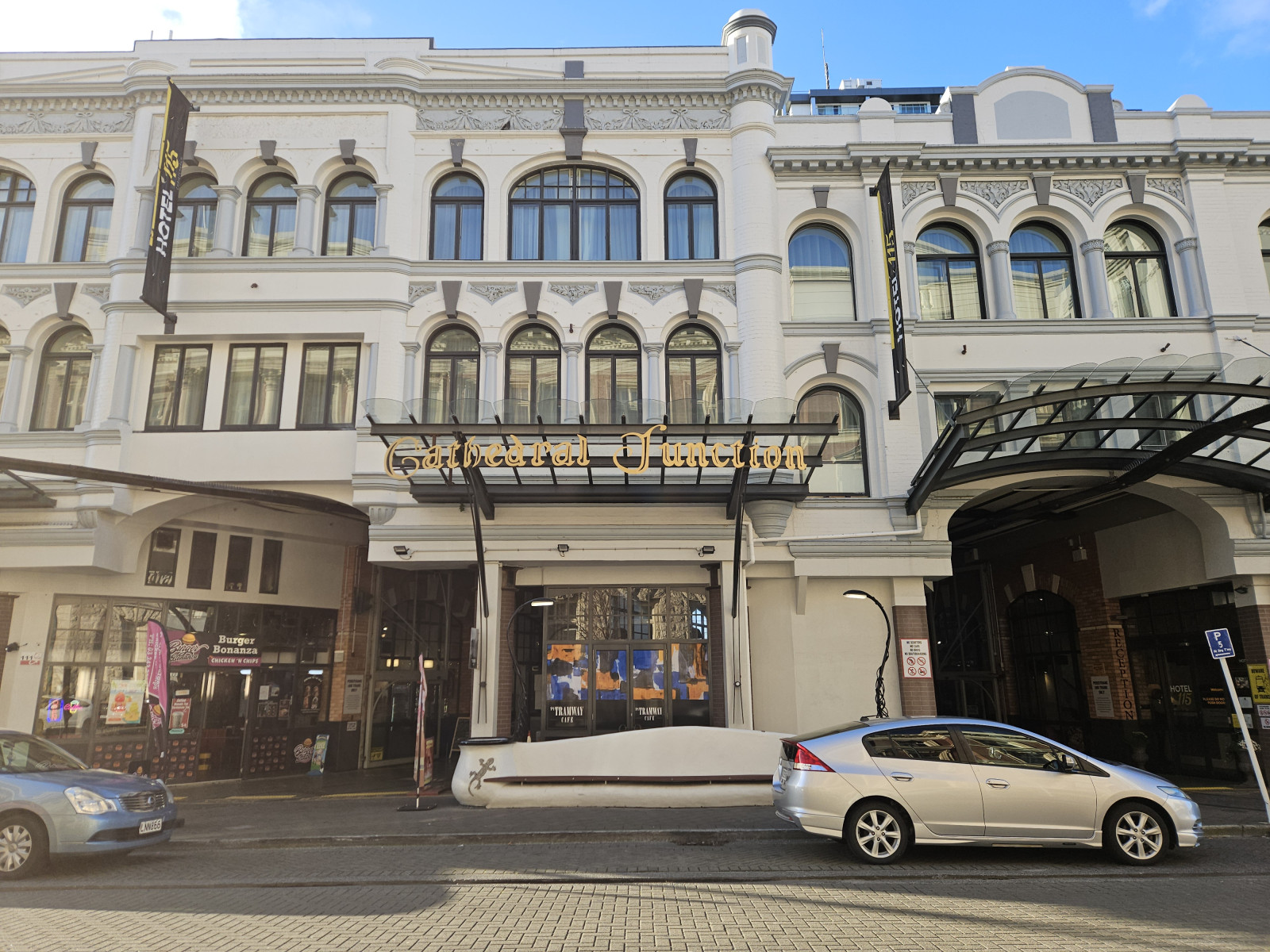
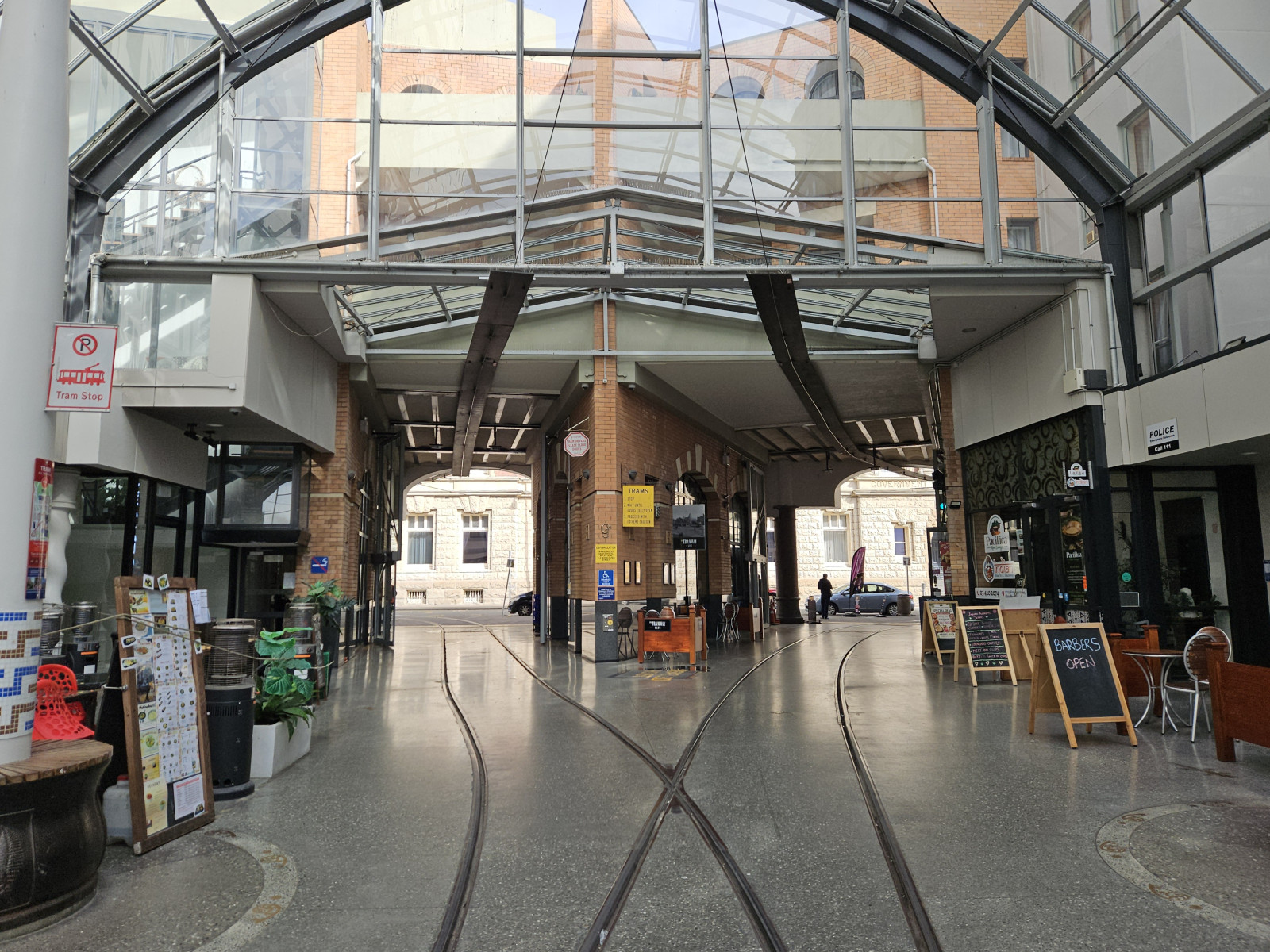
There’s a historic tram service that does a loop of the city during the daytime, and the line runs straight through our hotel. The hotel entrance literally faces straight onto the tracks; you could step out from reception and suddenly catch a severe case of being run over by a tram. It’s not for the faint of heart, nor daytime drinkers.
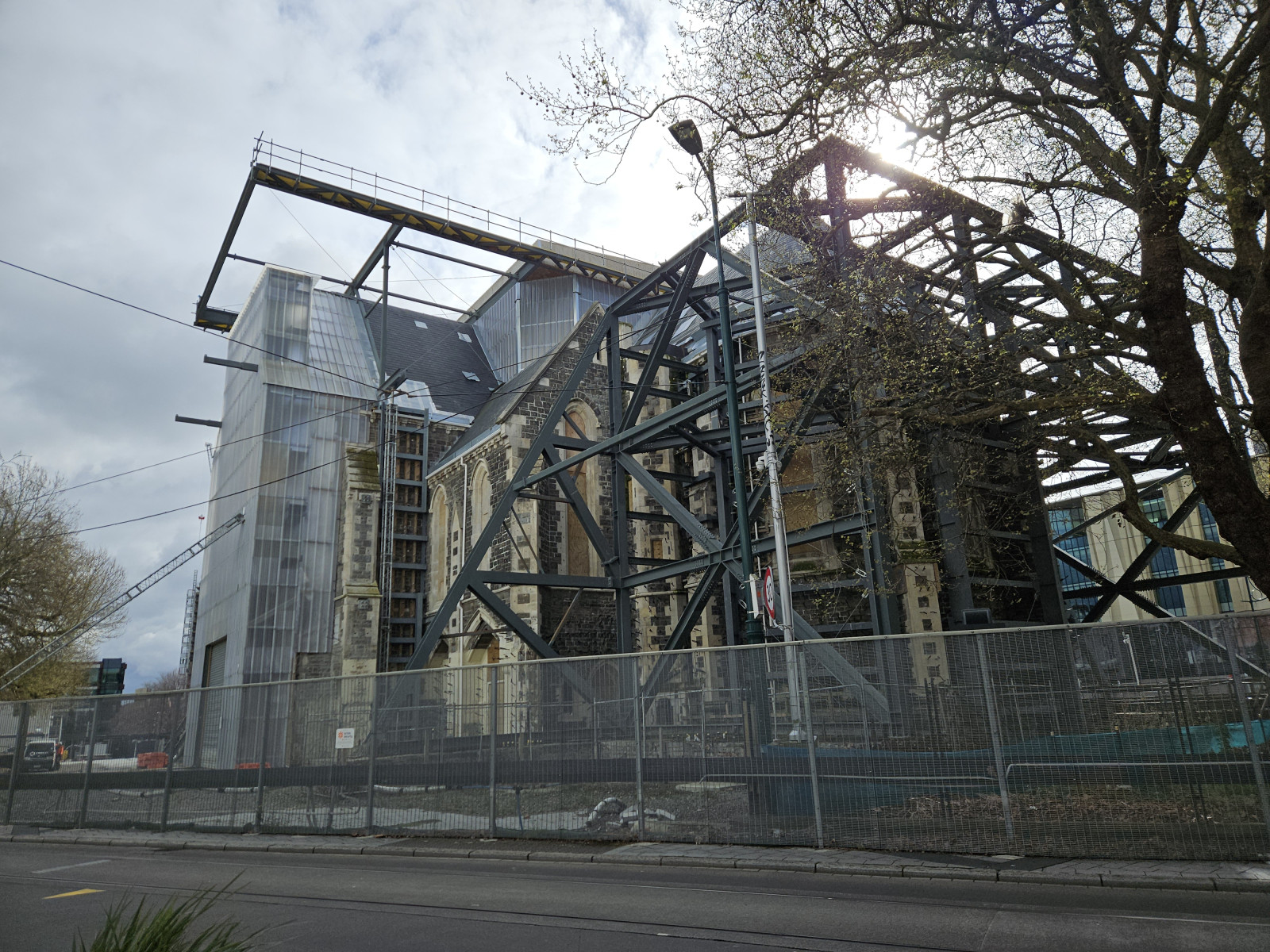
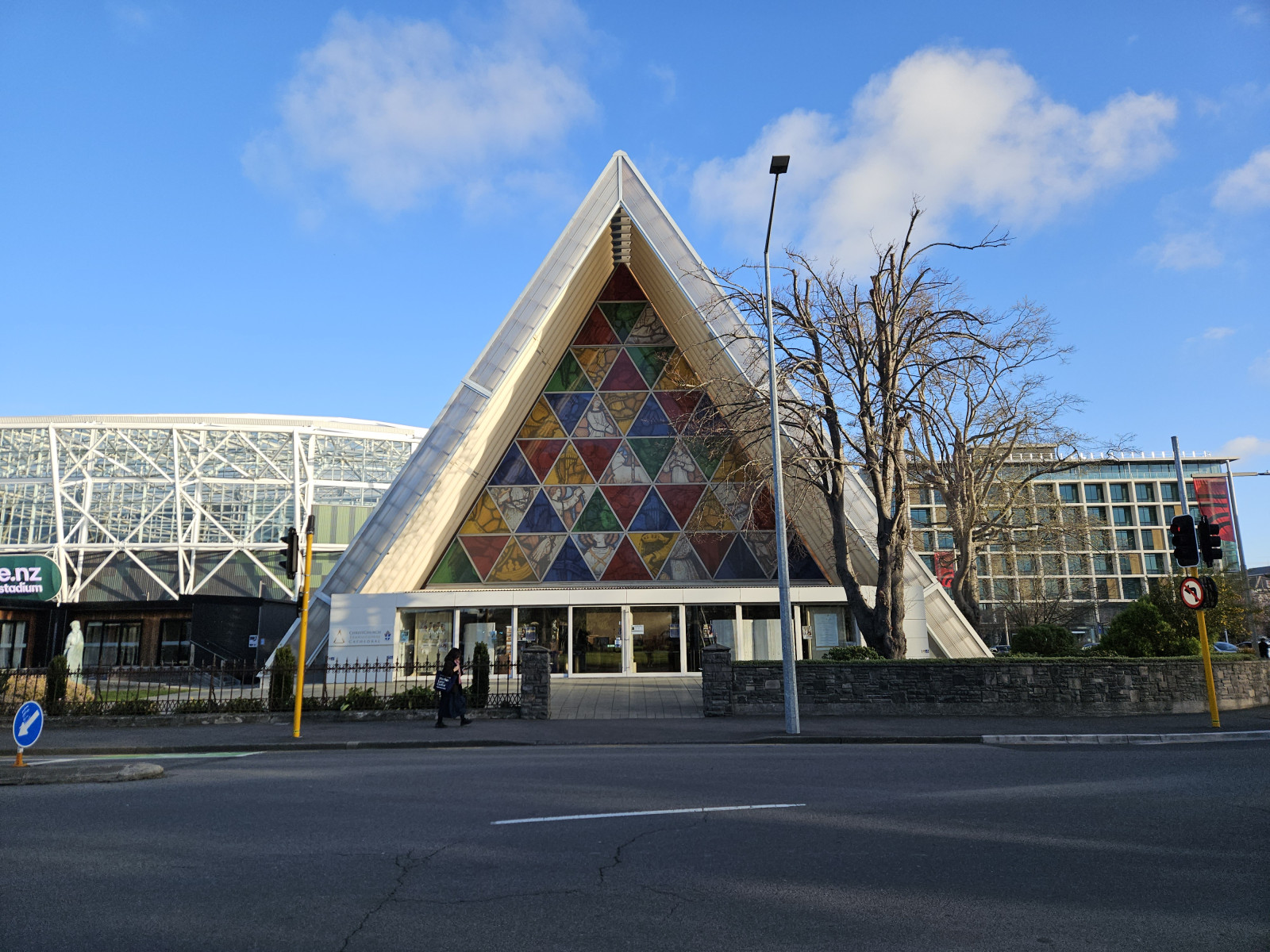
After checking in we went exploring. Christchurch Cathedral is a stone’s throw from the hotel, which is maybe an insensitive turn of phrase as the stonework is still heavily damaged after the earthquake, and is all propped up with steel framing. Famously there’s a temporary Cardboard Cathedral being used instead, which is also nearby (though they’ve clearly sneakily used other materials too).
Christchurch seems like a very quiet city. There was hardly anyone around. Maybe there’s some busier part of the CBD we didn’t find, or maybe everyone just stays inside because it’s cold.
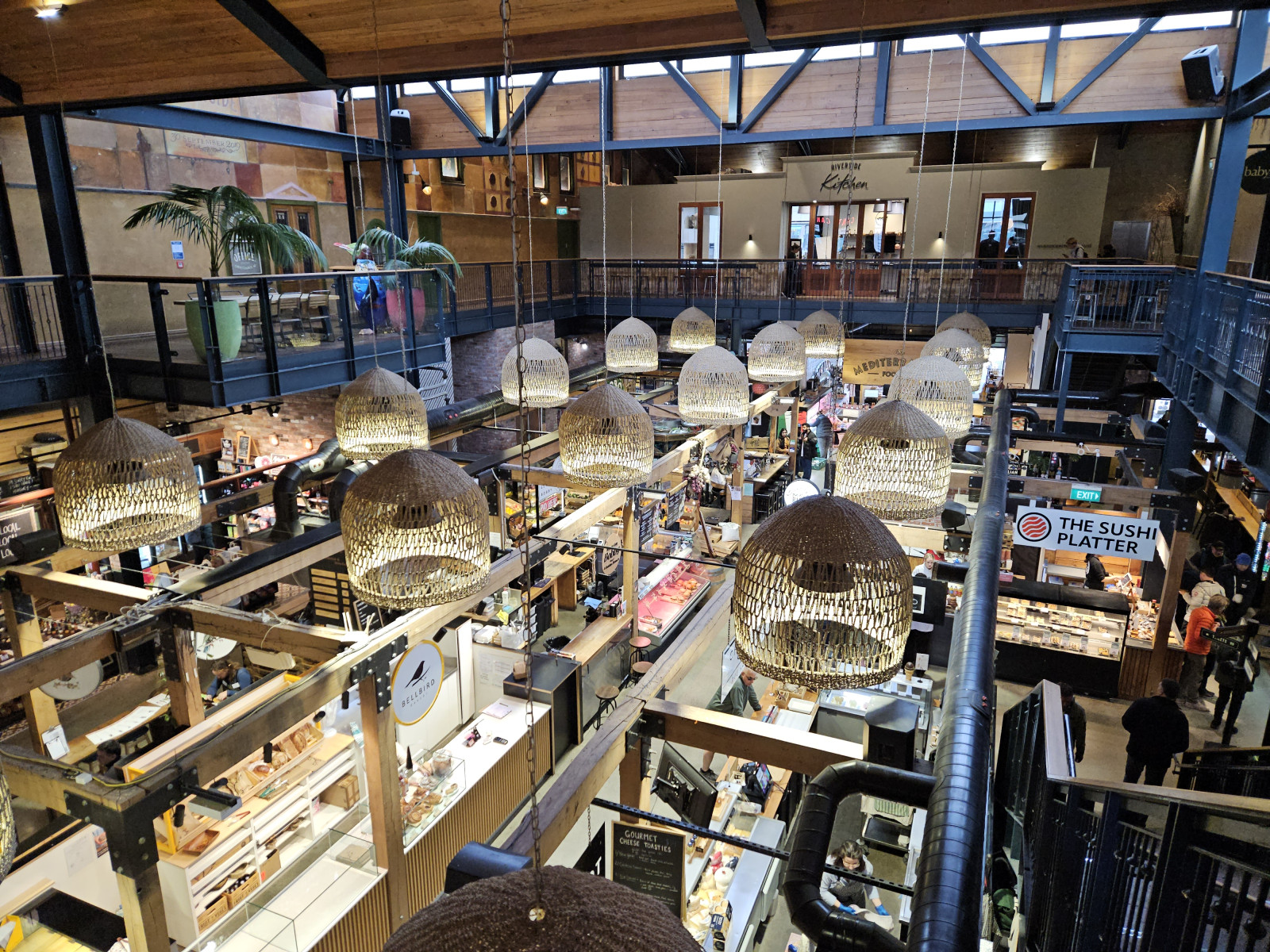
We got lunch at the Kaiser Brew Garden in Riverside Market. It’s nominally Bavarian-themed, offering a very authentic Bavarian menu consisting of pizzas, some of which have vaguely German names. The pizza was good, as was the hazy IPA (another classic staple of southern Germany).
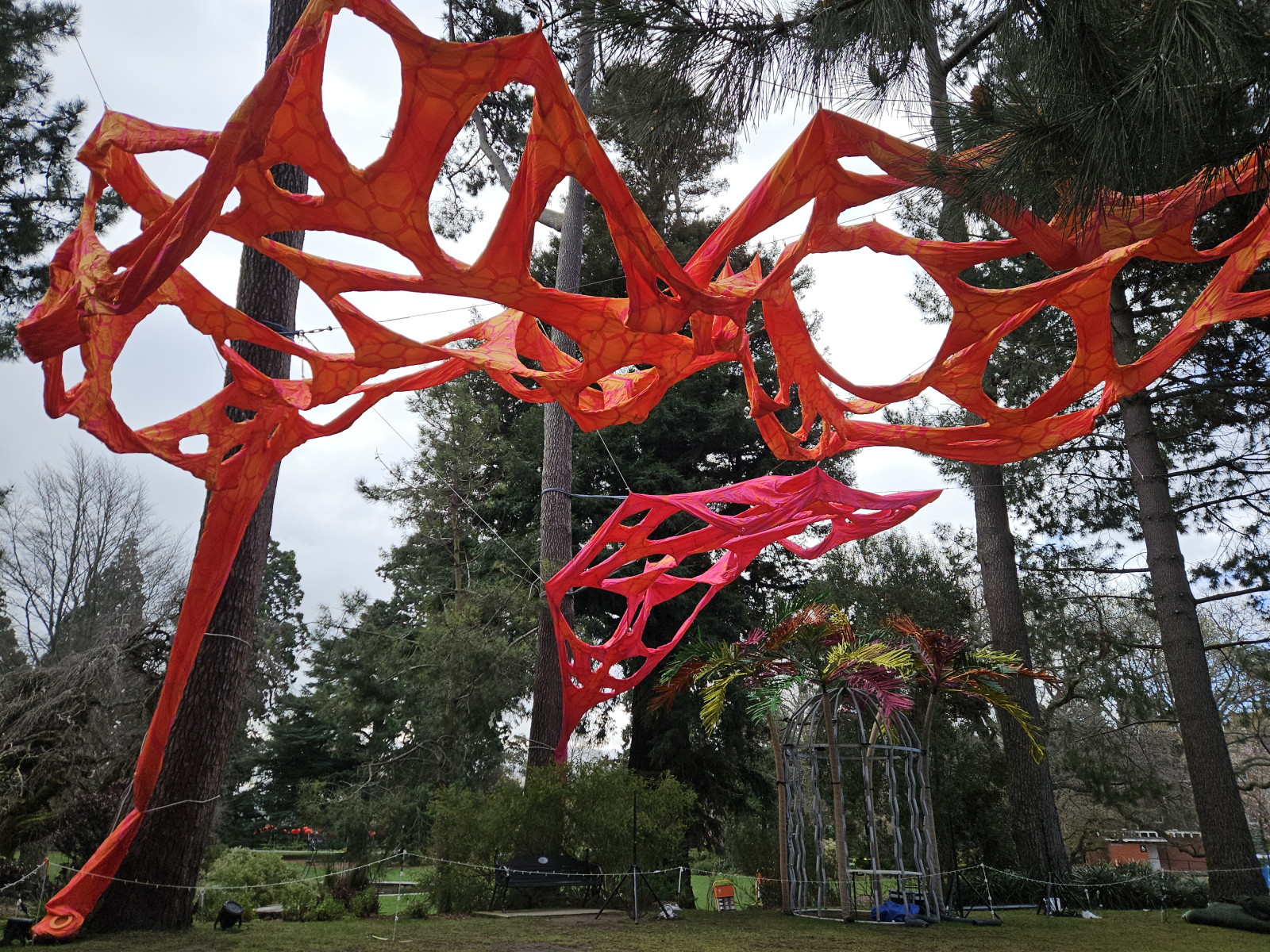
Next we strolled along the Avon River, and visited the Botanic Gardens. There’s some kind of light festival going on at the gardens, a bit like Vivid, but it’s not on every day so we got to see the exhibits in deactivated form: tunnels of light with all the lights turned off; inflatable animals deflated with pools of dirty rainwater collected on them; something strung between trees that would also normally be inflated but today looked like a skydiver had had a bad day. There was a poignancy to it which, along with the lack of people, made it probably much more enjoyable than the intended experience. There were also a lot of ducks about, but I suppose they’re there all the time and not just for the festival.
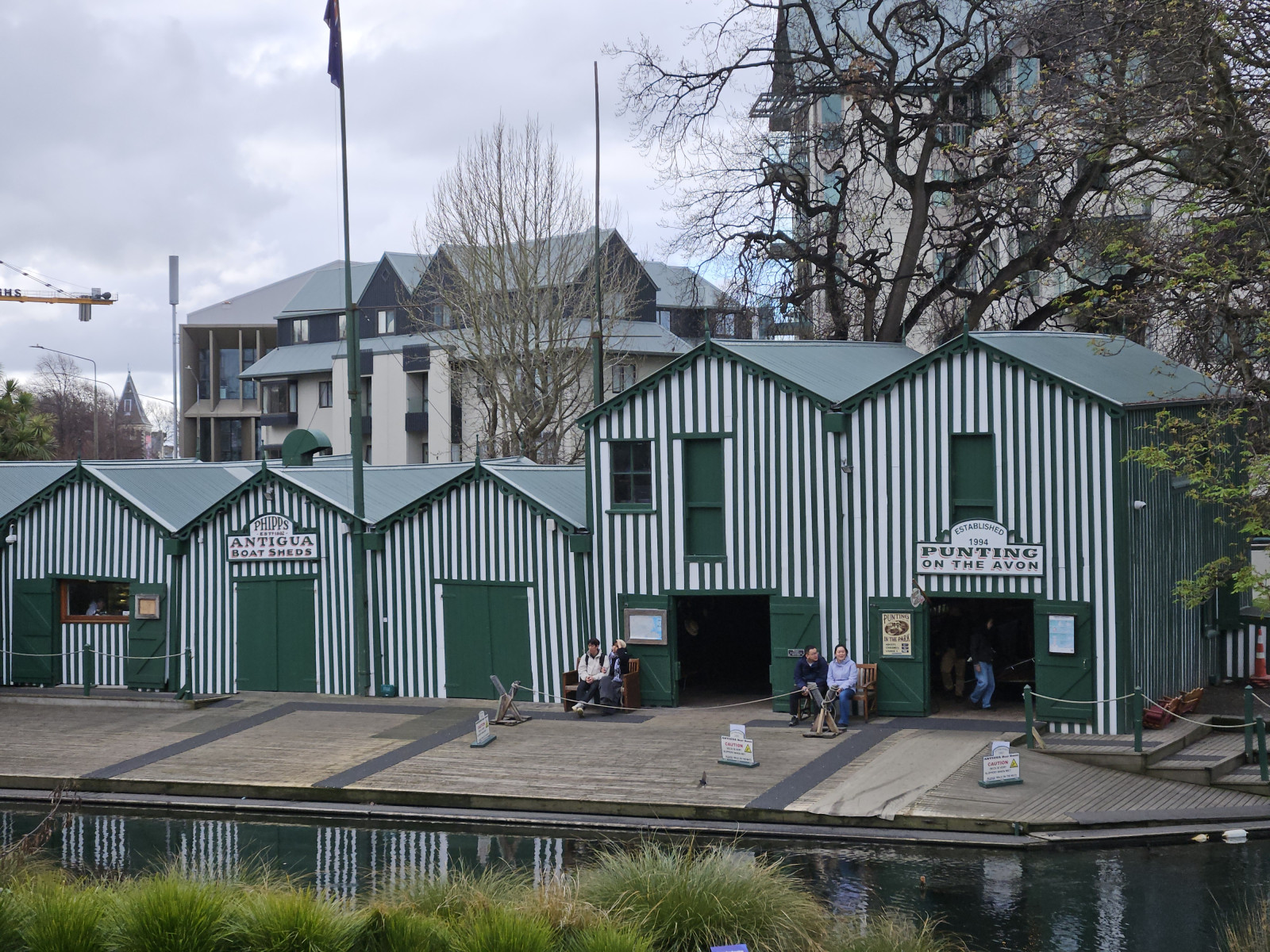
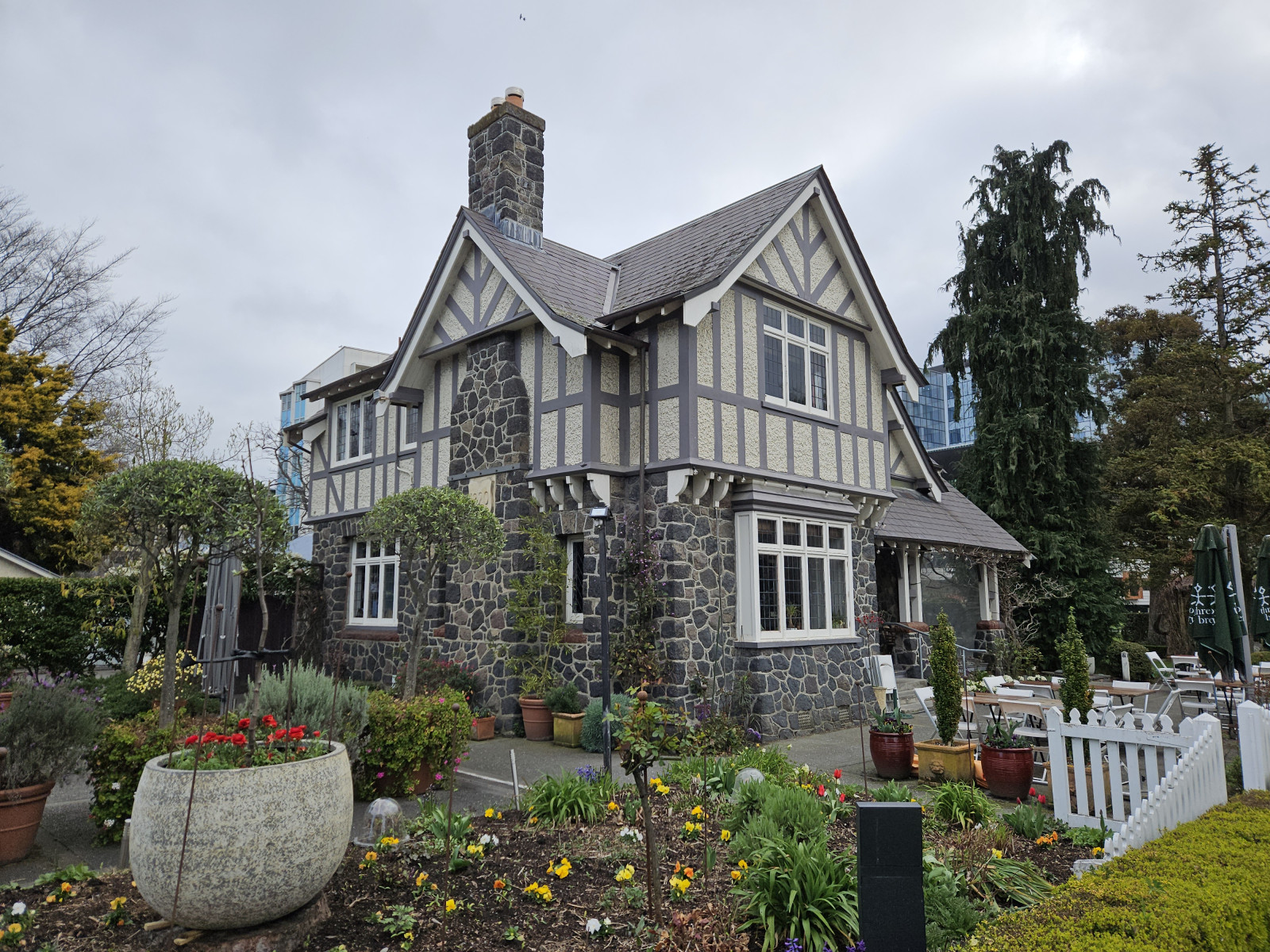
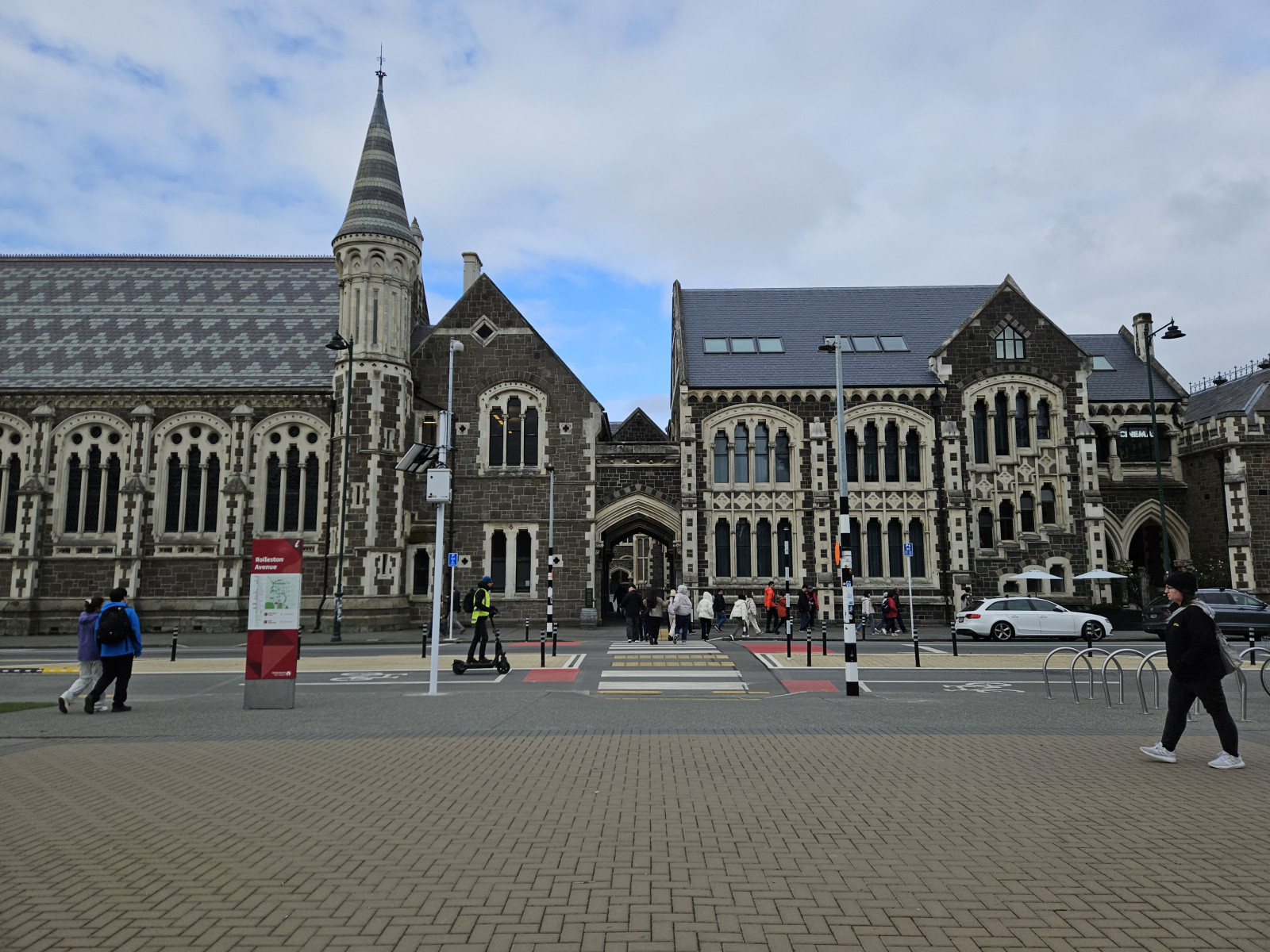
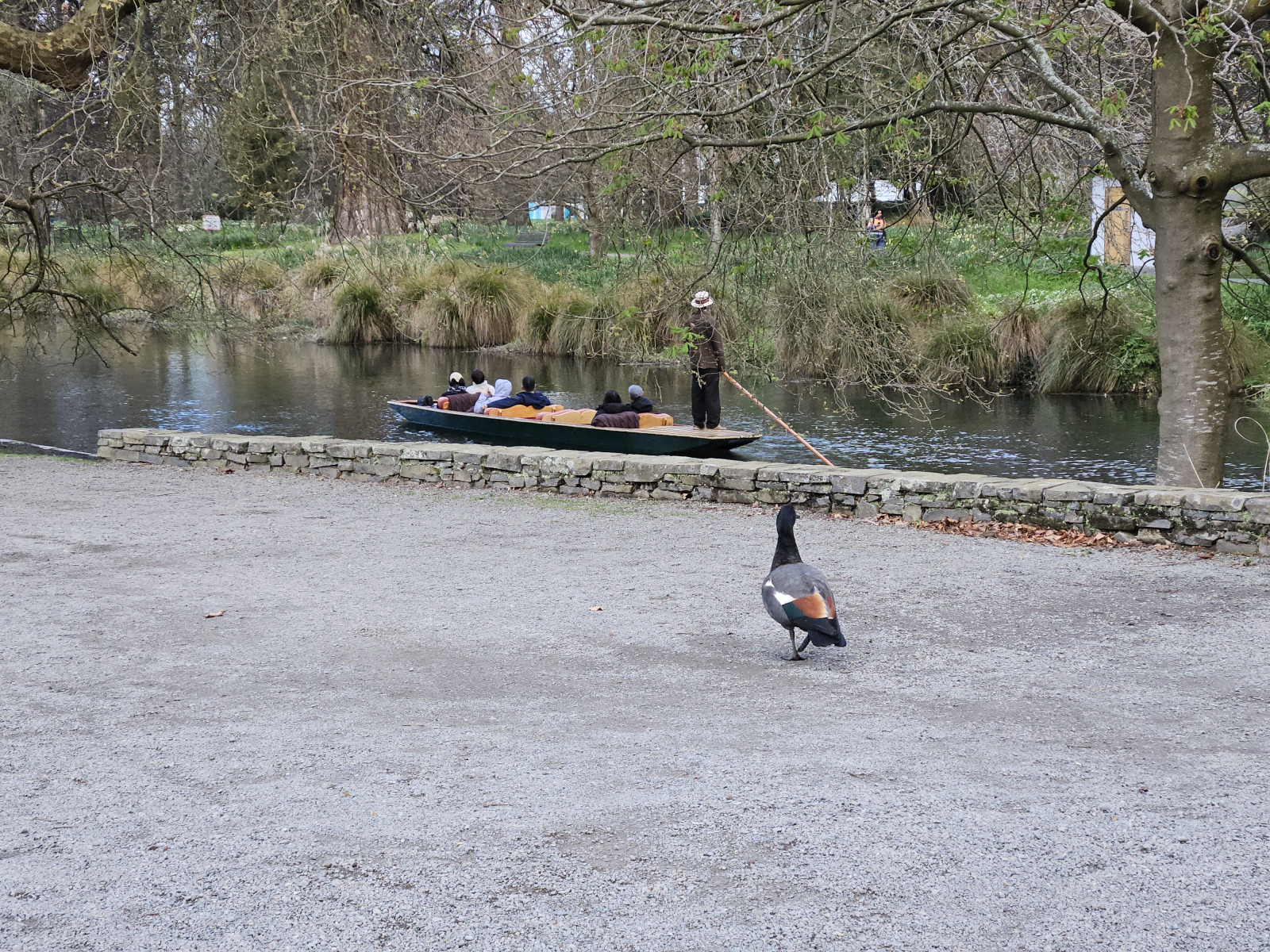
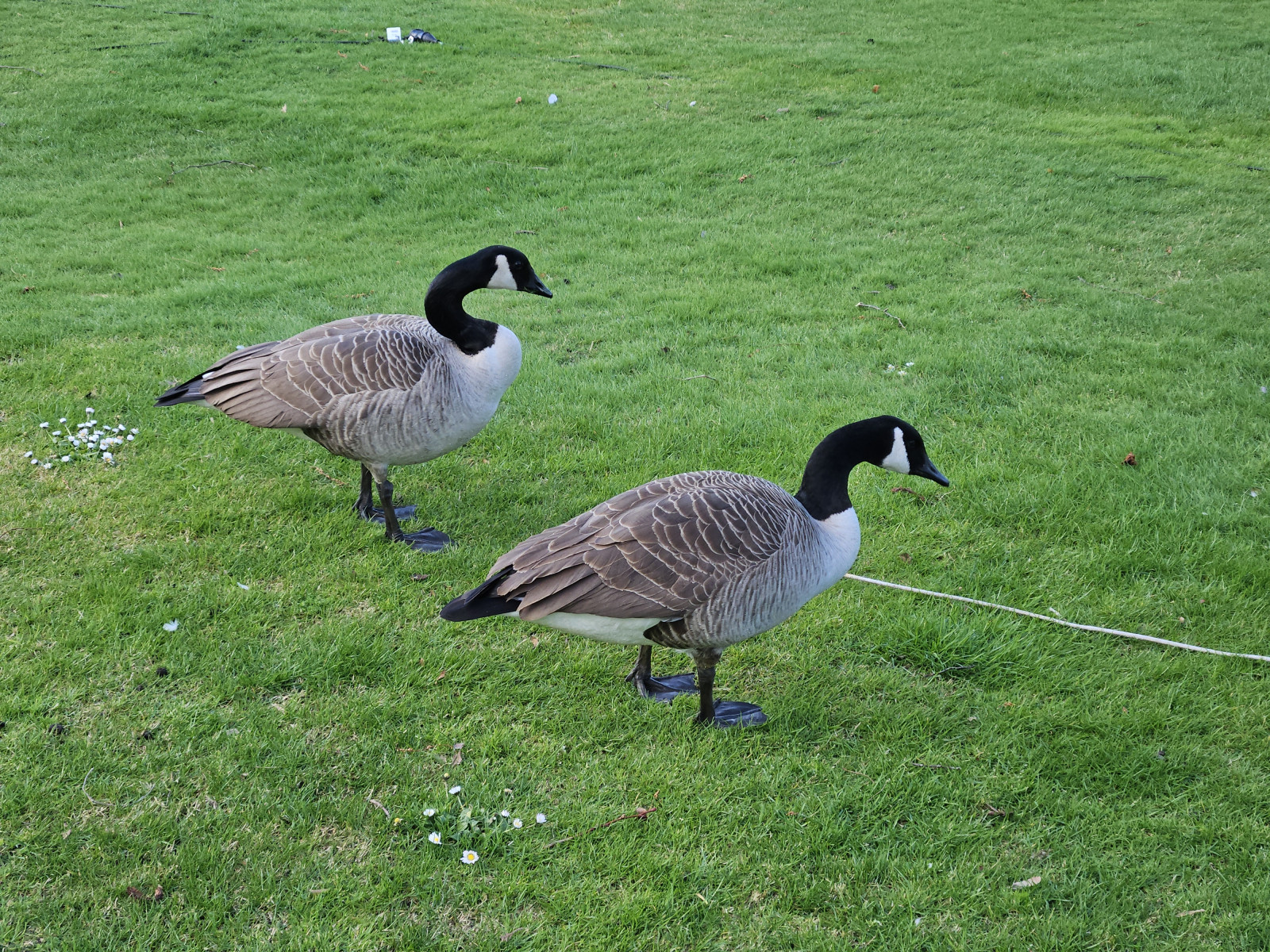
In the evening we got burgers for dinner at the Church Brew Pub, a historic church that’s been turned to a purpose of more interest to us. Inside there was a packed trivia night going on, so we sat outside and braved the cold. While we ate we watched buses go by, each one displaying its destination, and tried to spot one that wasn’t named after somewhere in England. Eventually we saw one: it was going to Belfast.
Day 2: Christchurch to Lake Tekapo
We went back to Riverside Market to obtain bagels for breakfast. Ron has already made a public declaration that we’re going to be seeking out bagels every morning of the trip. I’m not so committed, but this morning’s bagels made a compelling argument. After that we set off in the rental car for our next destination: Lake Tekapo.
The land around Christchurch is mostly very flat and covered in farmland. The fields are all separated by giant hedges and dense walls of trees, as if the farmers can’t stand the sight of each other.
We stopped for lunch in Timaru. Ron succeeded in navigating us to what he thought looked like a charming seaside spot overflowing with takeaway options, which actually turned out to be a desolate industrial port. I then had to set up some shitty app called “PayMyPark” to pay $1.20 for parking because installing a card reader at the carpark is too hard for the local council to manage.
Luckily there was a nearby shopping strip, where we found a nice cafe and got sandwiches to take up to the place we should have gone to, the Caroline Bay waterside parklands. There were some Jehovah’s Witnesses nearby hoping to entice people to change religion. They must not have liked the look of us because they left soon after we arrived. Or maybe they just had that thing where they can’t stand the sound of people eating.
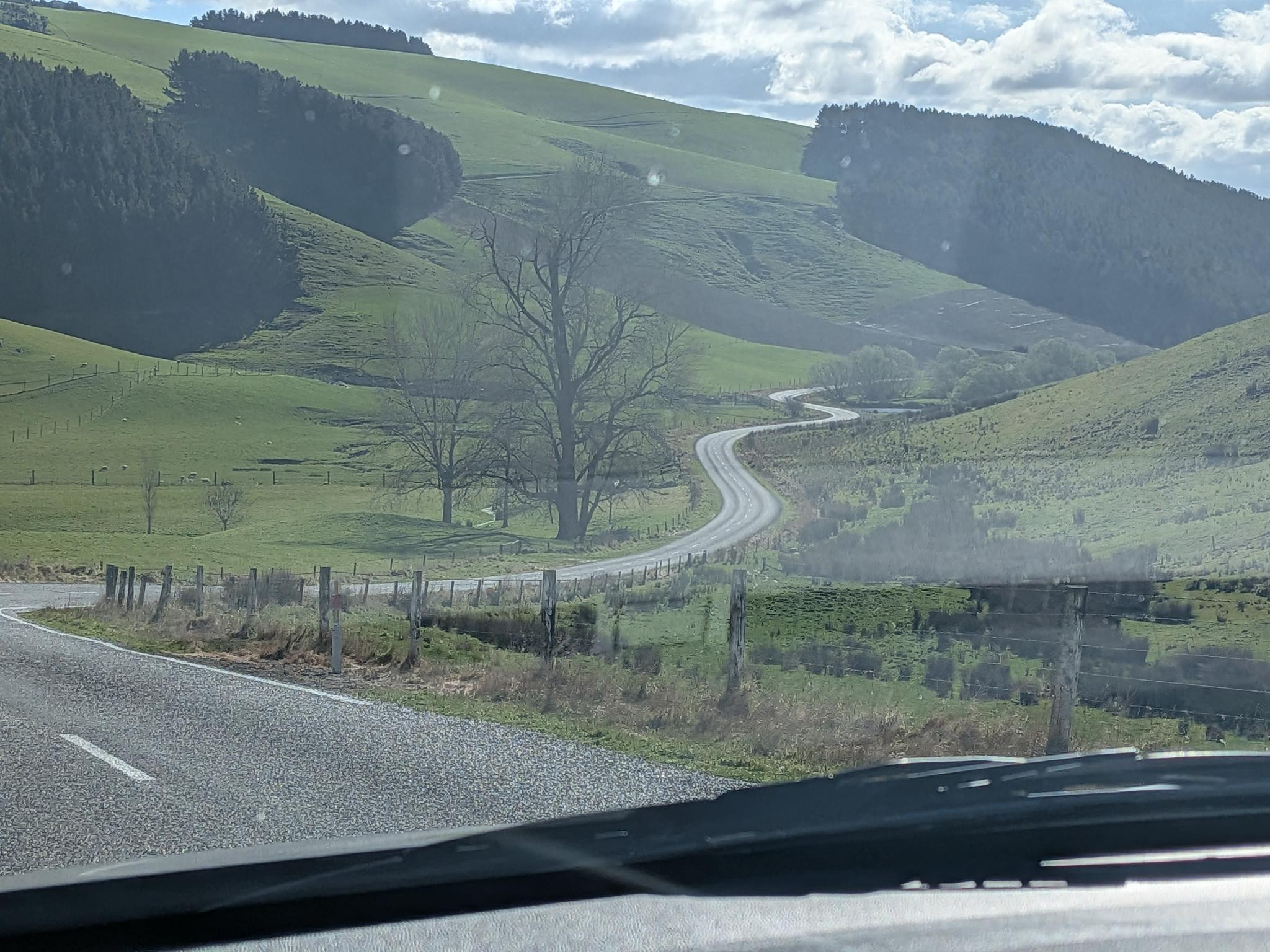
Then we continued on toward Lake Tekapo. We drove through a region of beautiful rolling green hills, reminiscent of Hobbiton, or the Windows XP default background. (I just checked, and found that the first of Peter Jackson’s Lord of the Rings films came out in the same year as Windows XP. Coincidence?) Ron and I agreed that “bucolic” was the appropriate description for the area. Neither of us could recall an actual definition of the word; but when we looked over this verdant land, “bucolic” emerged from the murk of the mind much like the doohickey inside a Magic 8-Ball.
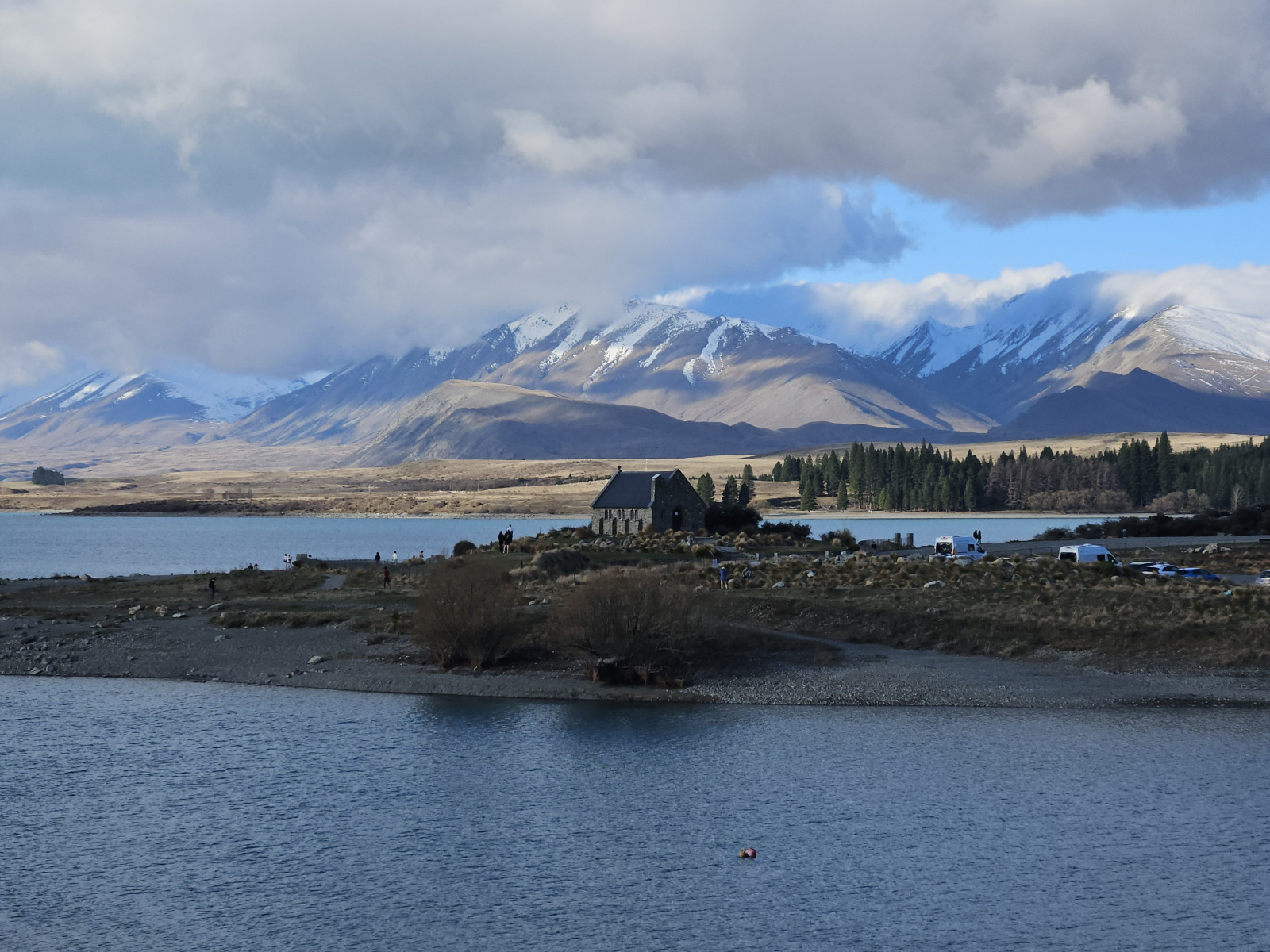
We rolled up at Lake Tekapo in the late afternoon. The water here is a lovely turquoise colour, which might be due to some kind of toxic waste leak nearby but I appreciated it anyway. To the east of the lake are flat plains and dense forest, beyond which sit huge snow-capped mountains shrouded in cloud. On the west side of the lake, another mountain juts straight out from the water, like the knees of a man whose bathtub isn’t quite long enough.
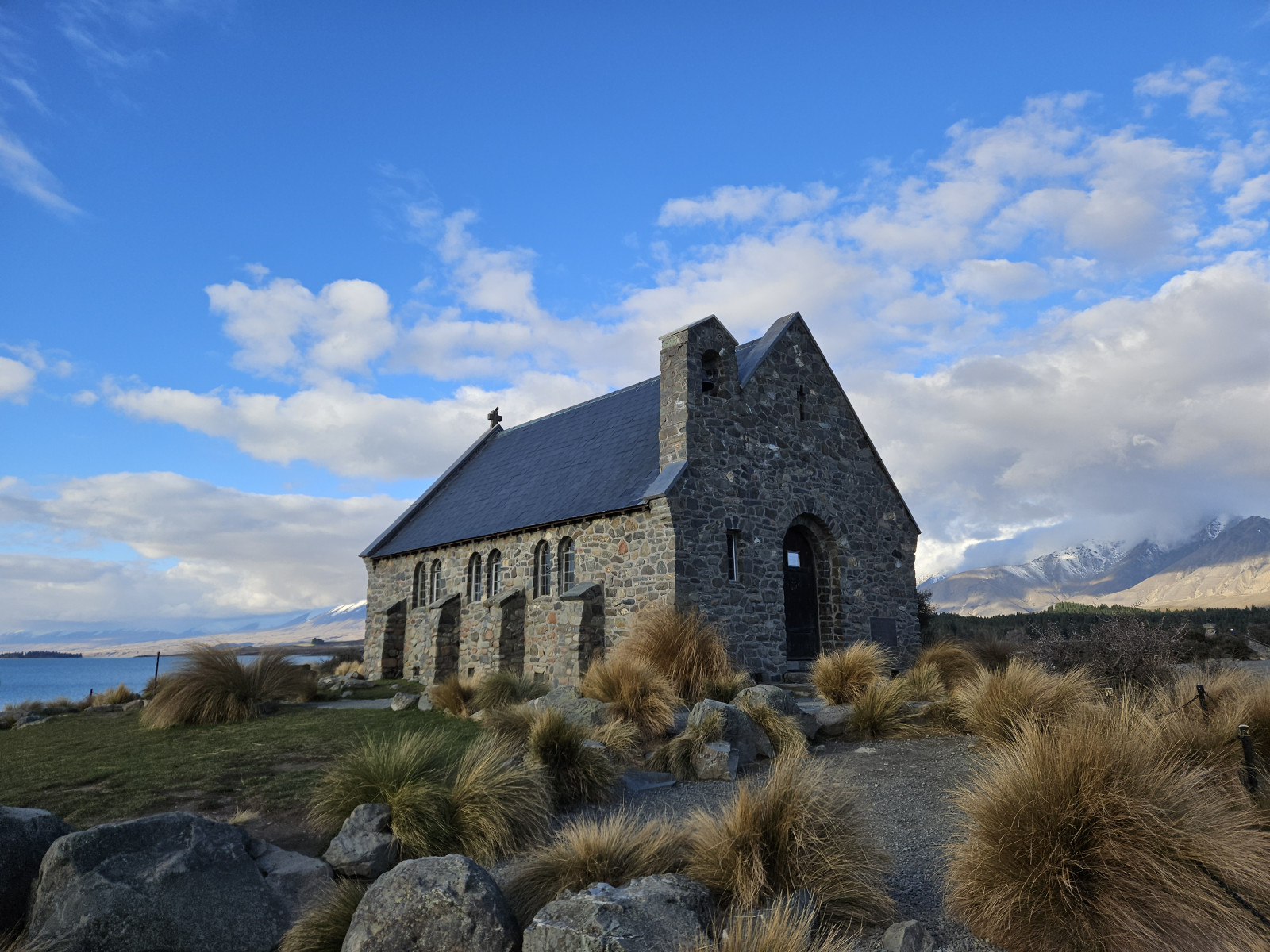
Our hotel is right by the lake. We went out for a walk to the famous Church of the Good Shepherd, built in 1935 from local stone, with a big window facing towards the lake and the mountains. According to a nearby sign, the view through the window is “seen not as decoration, but as a living testament to the glory of God’s creation”. Also nearby is the Sheepdog Memorial, a bronze statue of a Collie dog which is seen not as decoration, but as a testament to the glory of Collies.
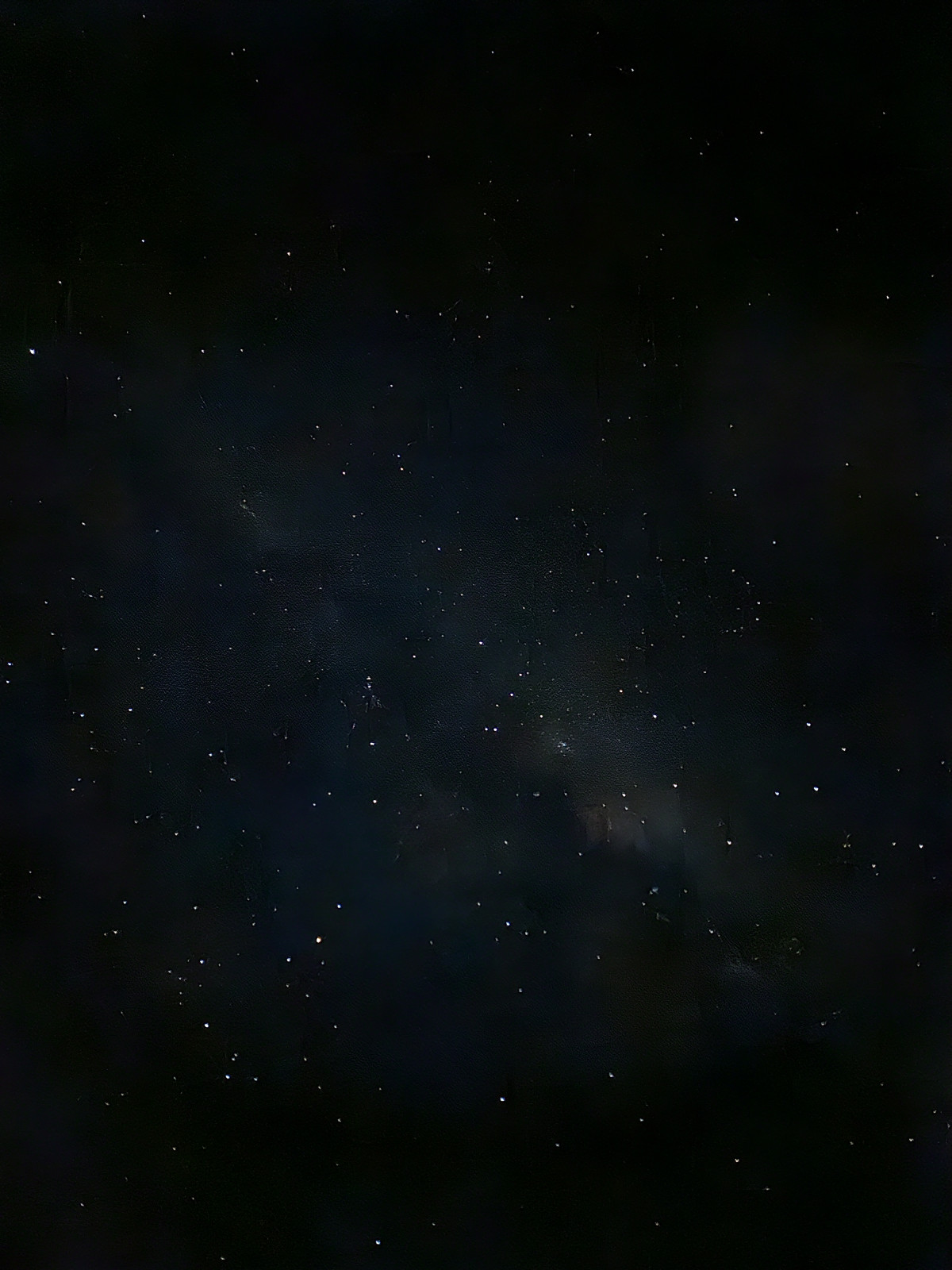
Lake Tekapo is part of an International Dark Sky Reserve. Astronomy and stargazing are popular here. So we went to a place along the lakefront called the Dark Sky Project. They offer stargazing tours, but there’s also a restaurant there so we opted simply to sit in the vicinity of a large Victorian telescope while we had dinner and a few pints of hazy pale ale.
After this we staggered outside and remembered again about the stargazing. I tried taking some long-exposure photos with my phone to varying degrees of success, while Ron helped by complaining about the freezing cold, the uneven and rocky ground, and the lack of light. So at his insistence we’re now back at the hotel, where it’s too warm instead.
Day 3: Aoraki
“I forgot to check what birds they were,” Ron told me this morning, “before I ate them.” I stood and tried to make sense of this unprompted statement, thinking back on the little sparrow that had landed on the outdoor railing the day before—until I remembered the bird-themed Whittaker’s chocolates we’d bought in Christchurch the previous day. Each one is stamped with a different New Zealand bird, which is only revealed once you unwrap it. So began the biggest day of the trip so far.
Our objective was to hike the Hooker Valley Track at Mount Cook (also known as Aoraki, or by both names jammed together: Aoraki Mount Cook[1]). We ate OSM bars for breakfast (in addition to the bird chocolate) because nothing’s open at 7am at Lake Tekapo. I’ve probably sung the praises of OSMs last time we went to New Zealand[2], but for the uninitiated, they are the pinnacle of food science: a full delicious meal in bar form that you can carry around in your pocket. You can only get them in New Zealand because the rest of the world is too stupid to understand how great that is.
The car windscreen was covered in frost which I managed to scrape off using my Qantas Frequent Flyer card[3]. Then we were off toward Aoraki.
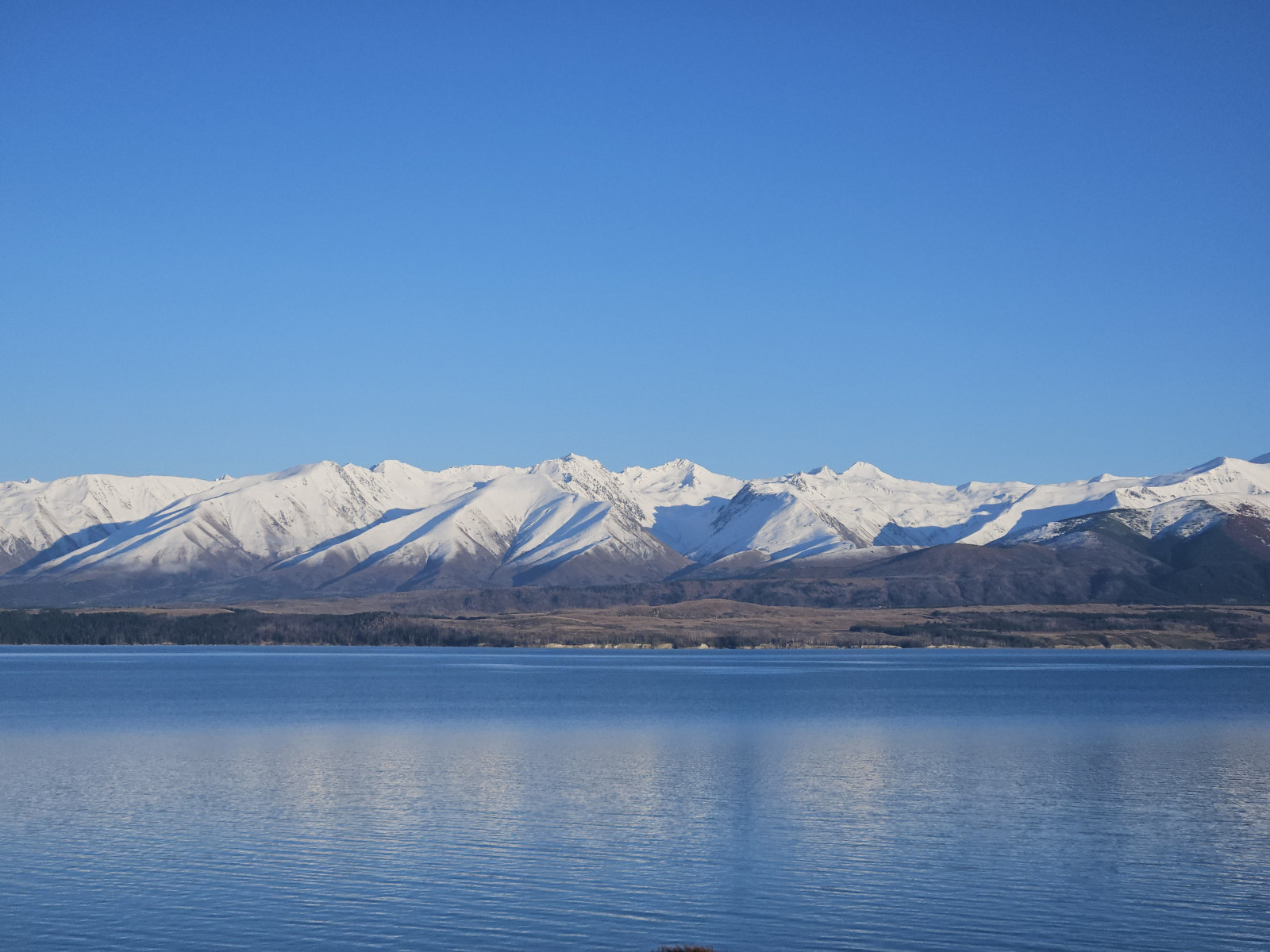
Much of the drive there was along the shore of Lake Pukaki, which shimmered with sunlight to our right while snow-covered mountains rose up to our left. Every now and then we’d cross single-lane bridges over rocky riverbeds that led down to the lake. The riverbeds presumably contain raging torrents in summer when the mountain snow starts to melt, but for now they were mostly dry and full of millions of rounded stones, like a not very fun ballpit.
Eventually we reached our destination: the Hooker Valley Track, a 5km hiking track in the alpine wilderness. The official estimated time to do the hike is three hours, and I’d mistakenly thought it was a loop of 5km total, and scoffed at the idea of needing three hours for that. But in the morning I’d double checked and realised it’s actually not a loop—it’s 5km out and then 5km back again.
Should have bought more OSMs. Oh well. We set off anyway.
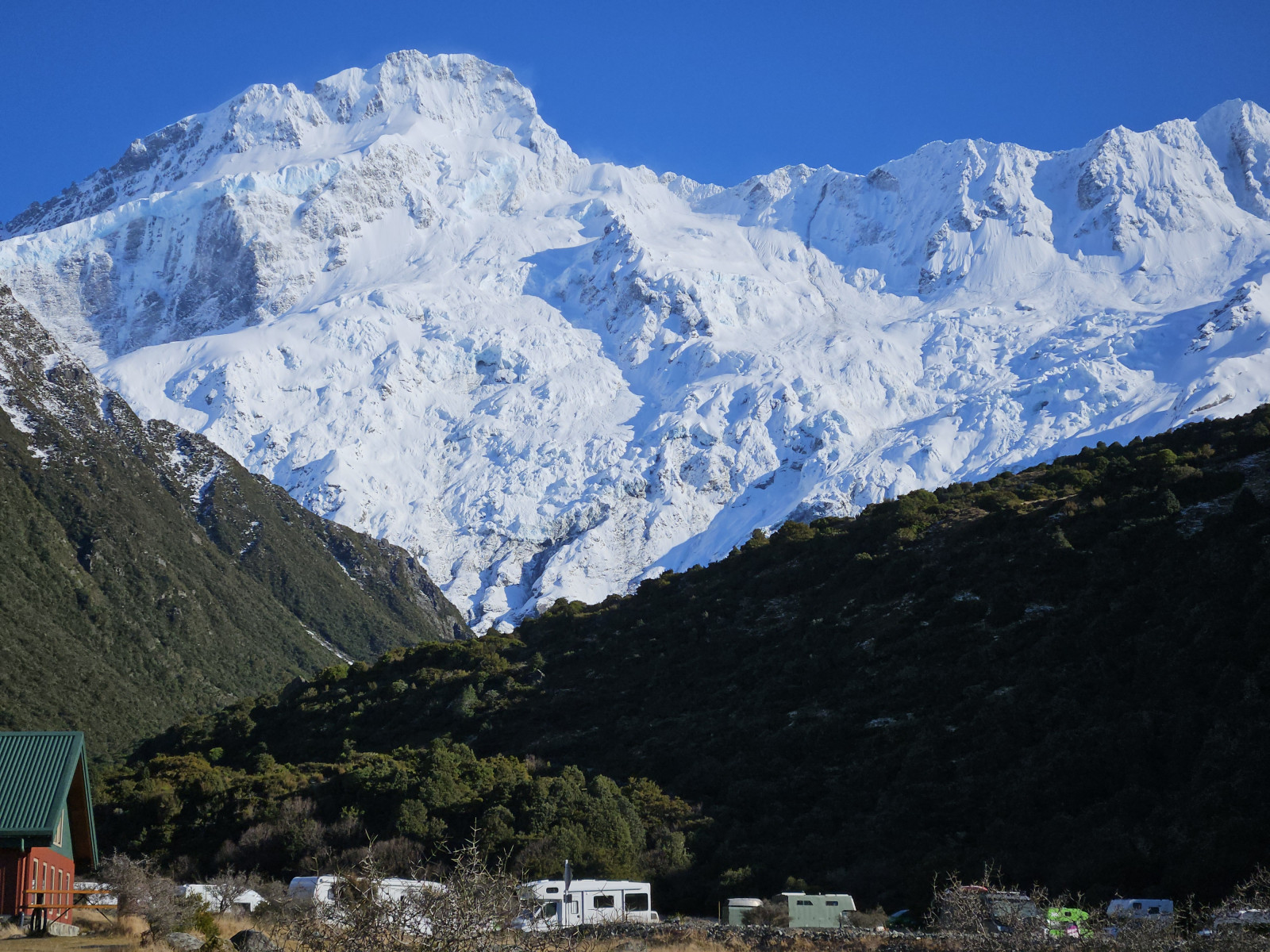
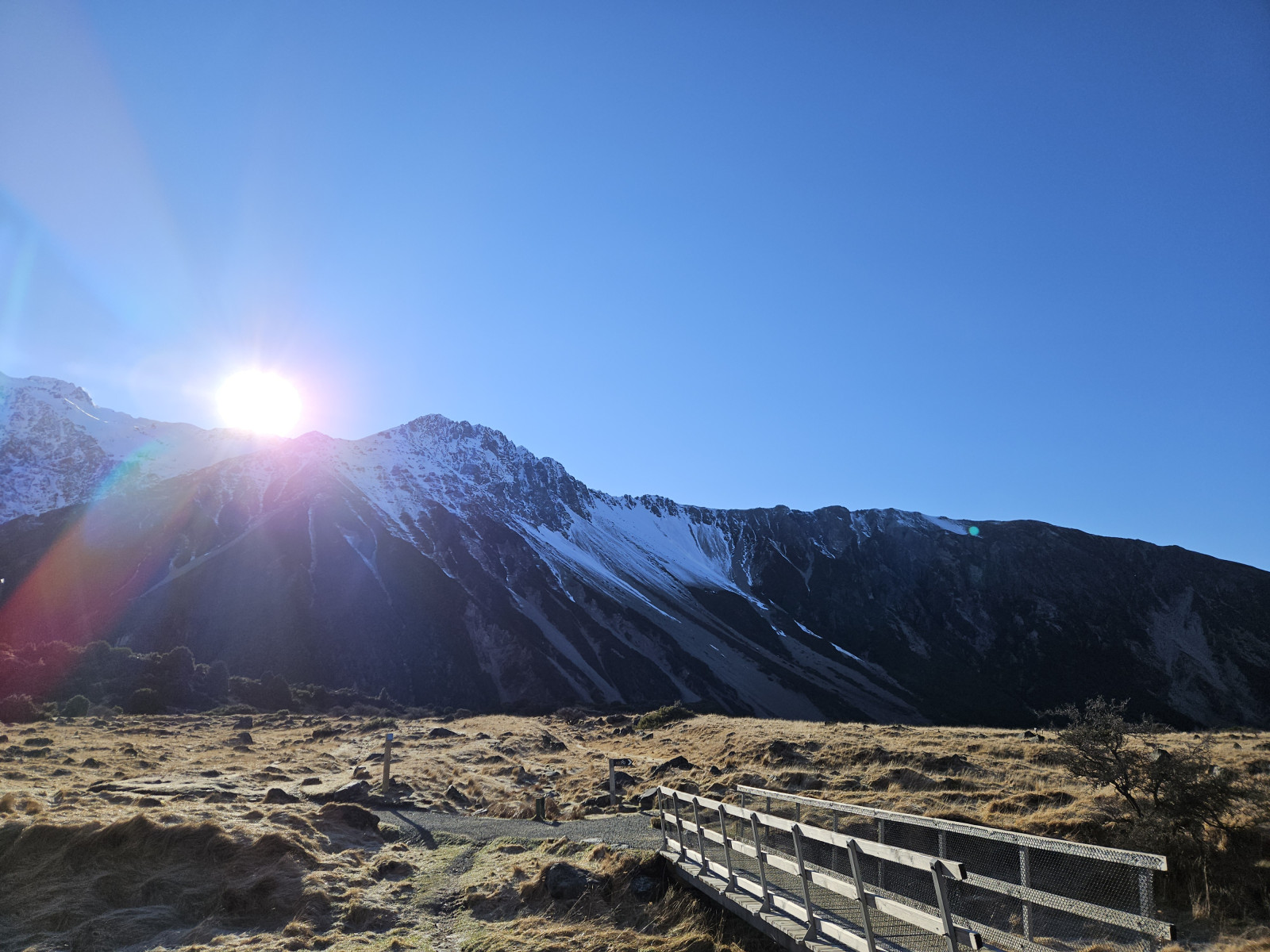
It was 4 degrees Celcius when we started, and though we were pretty well rugged up my face was uncovered and I started wishing I’d brought a balaclava. But then, I can’t really separate balaclavas from armed robbery in my mind, and probably most people feel the same. So I would have felt the need to reassure other hikers, maybe with a crudely improvised sign saying “I won’t rob you” held in front of me while I walked. The whole business would just be too fraught; I would have to endure having a cold face.
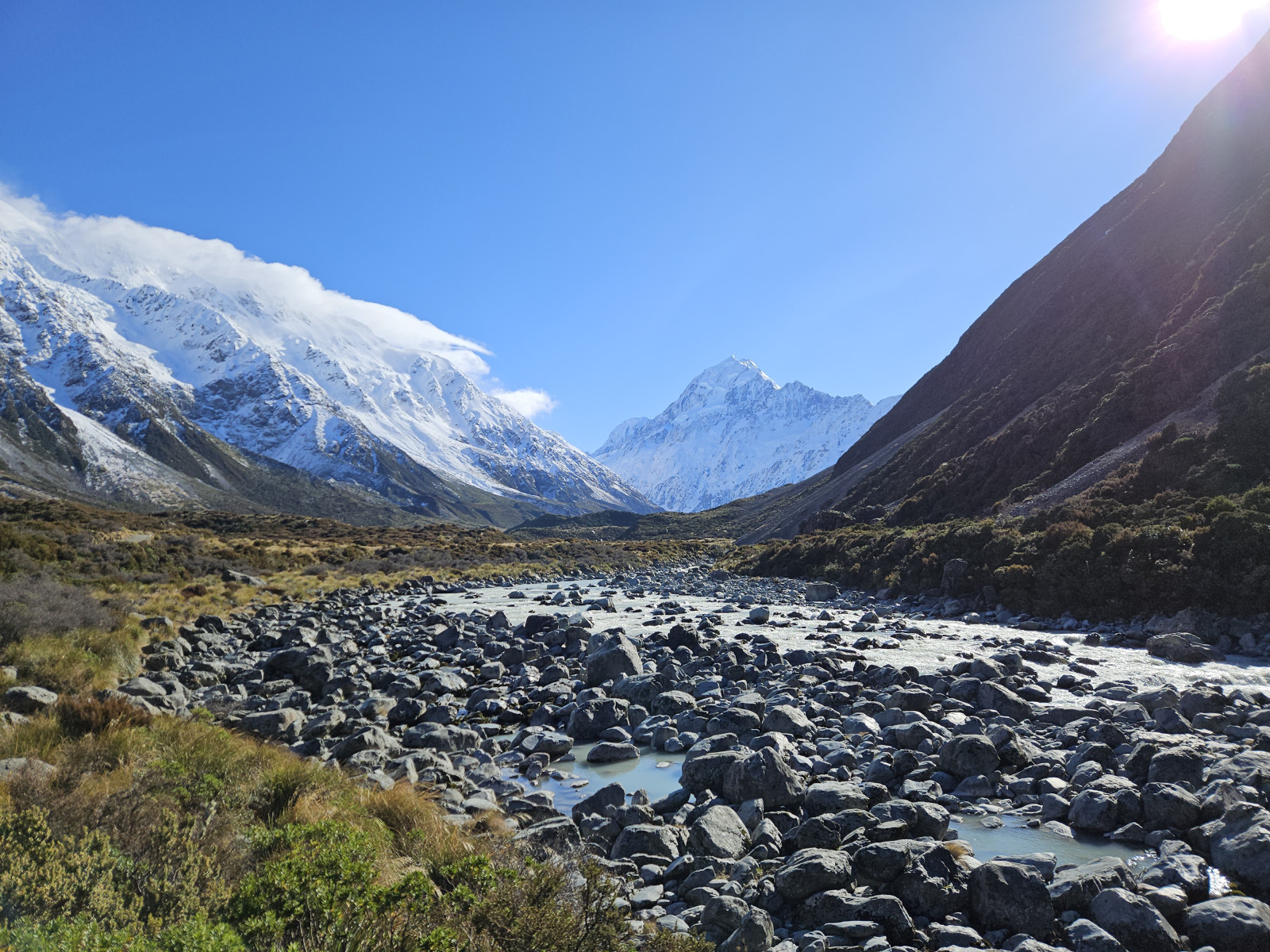
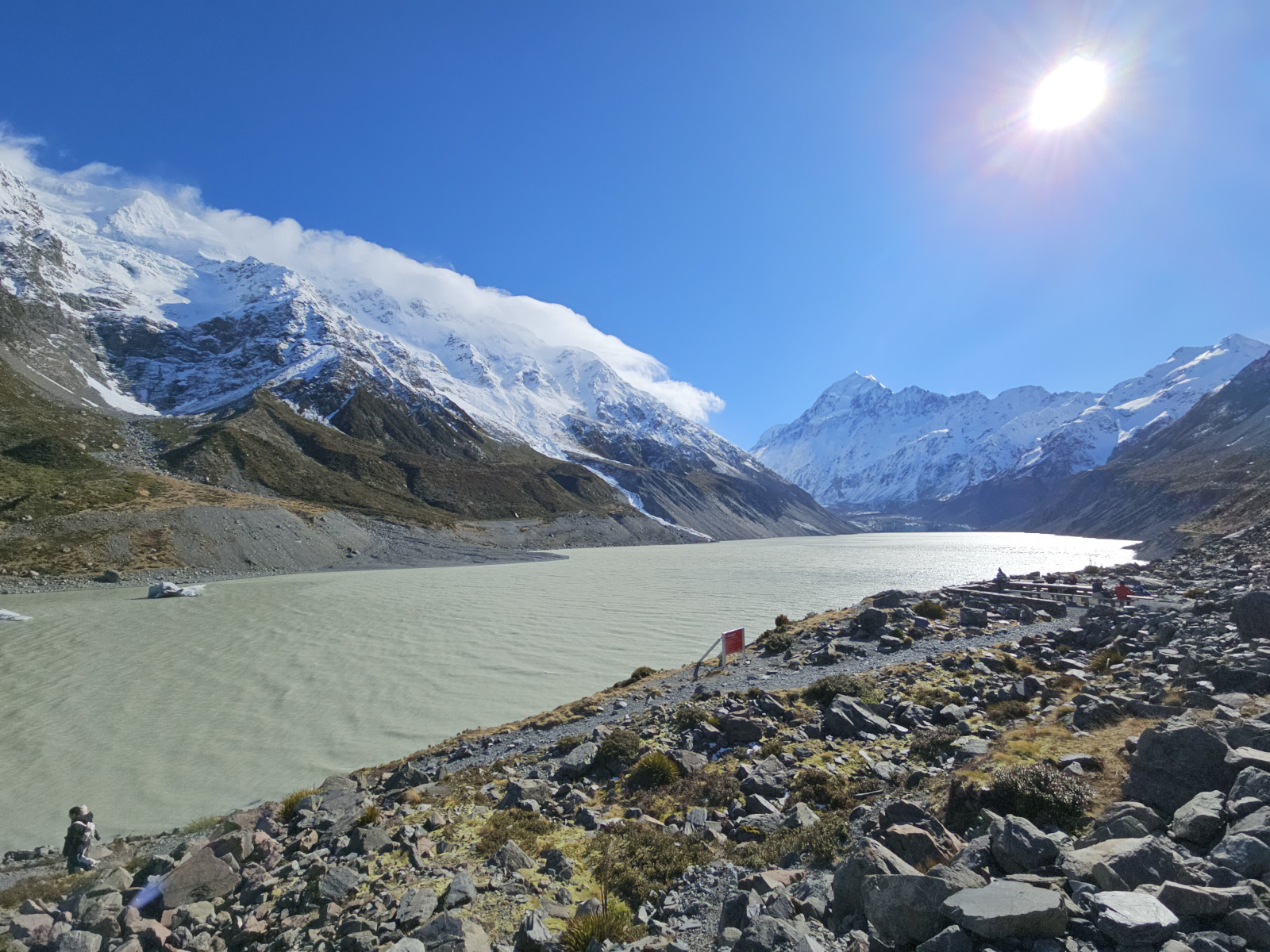
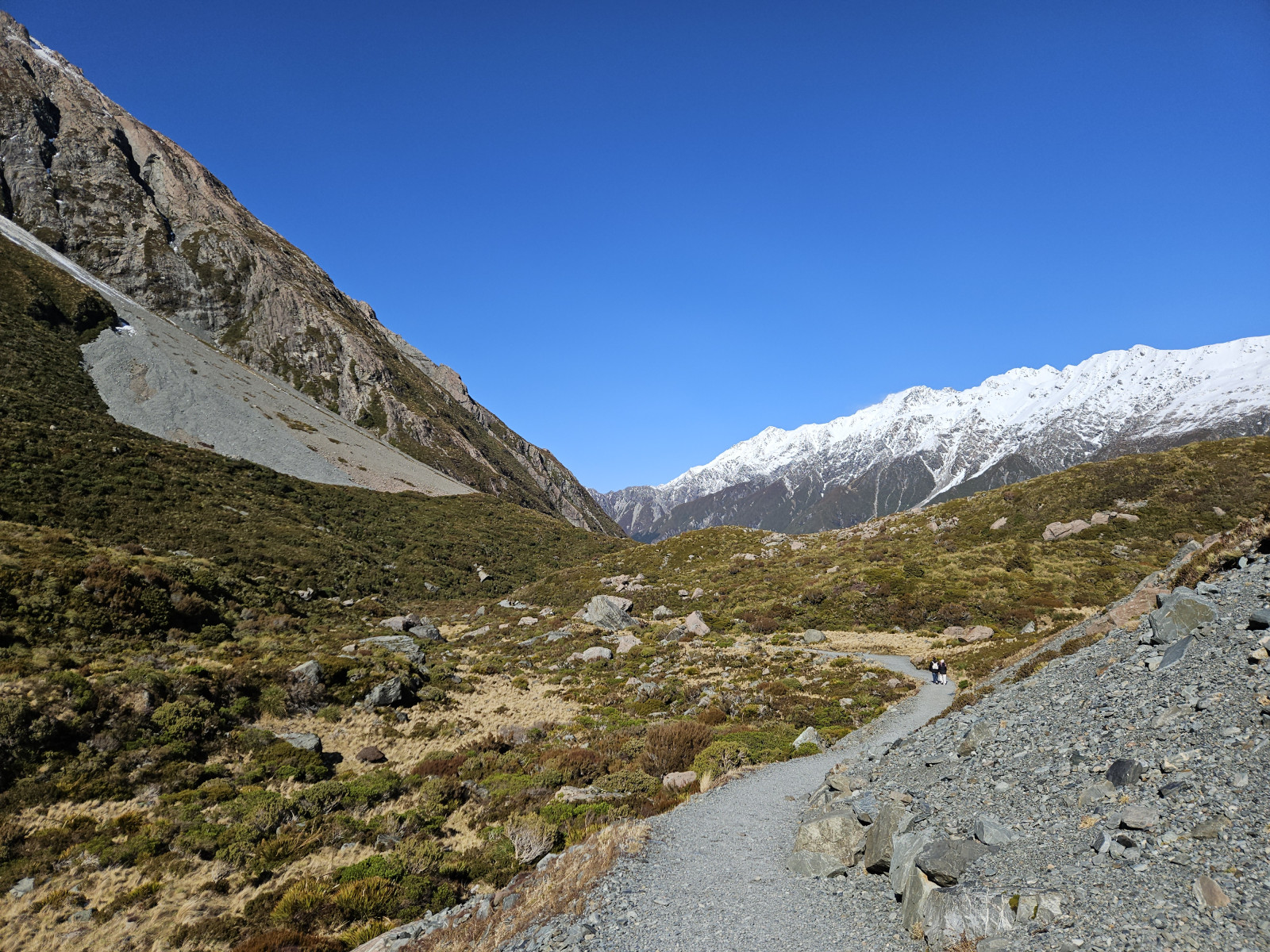
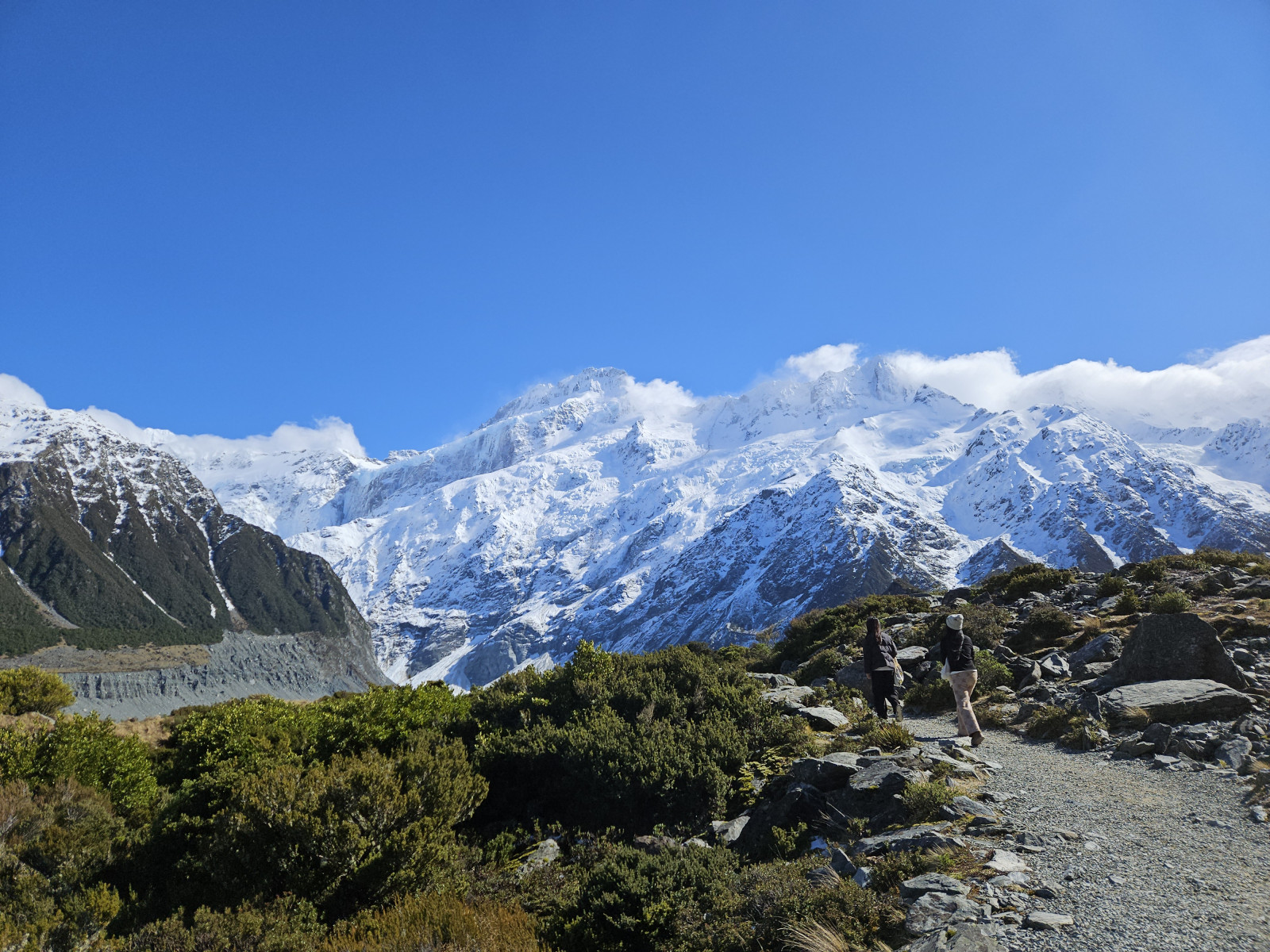
The scenery was amazing. Snowy mountains surrounded us as we walked through the ever-changing valley. We passed lakes full of strange pale hazel-coloured water, almost opaque, maybe due to mineral content. There are a few bridges to along the way, crossing over fast and rocky streams. If you fell in, you’d simultaneously drown, freeze, and be bashed into a boulder.
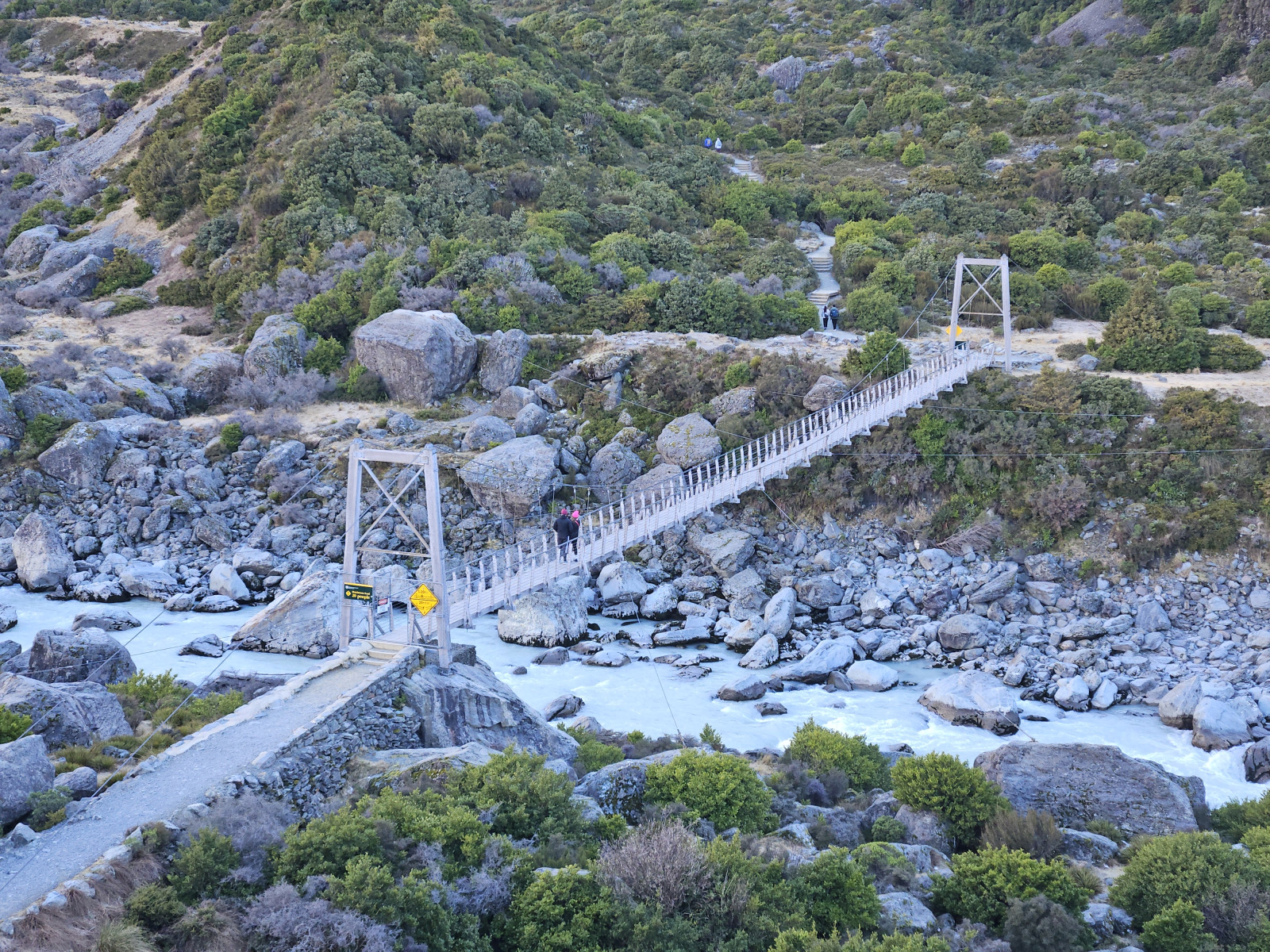
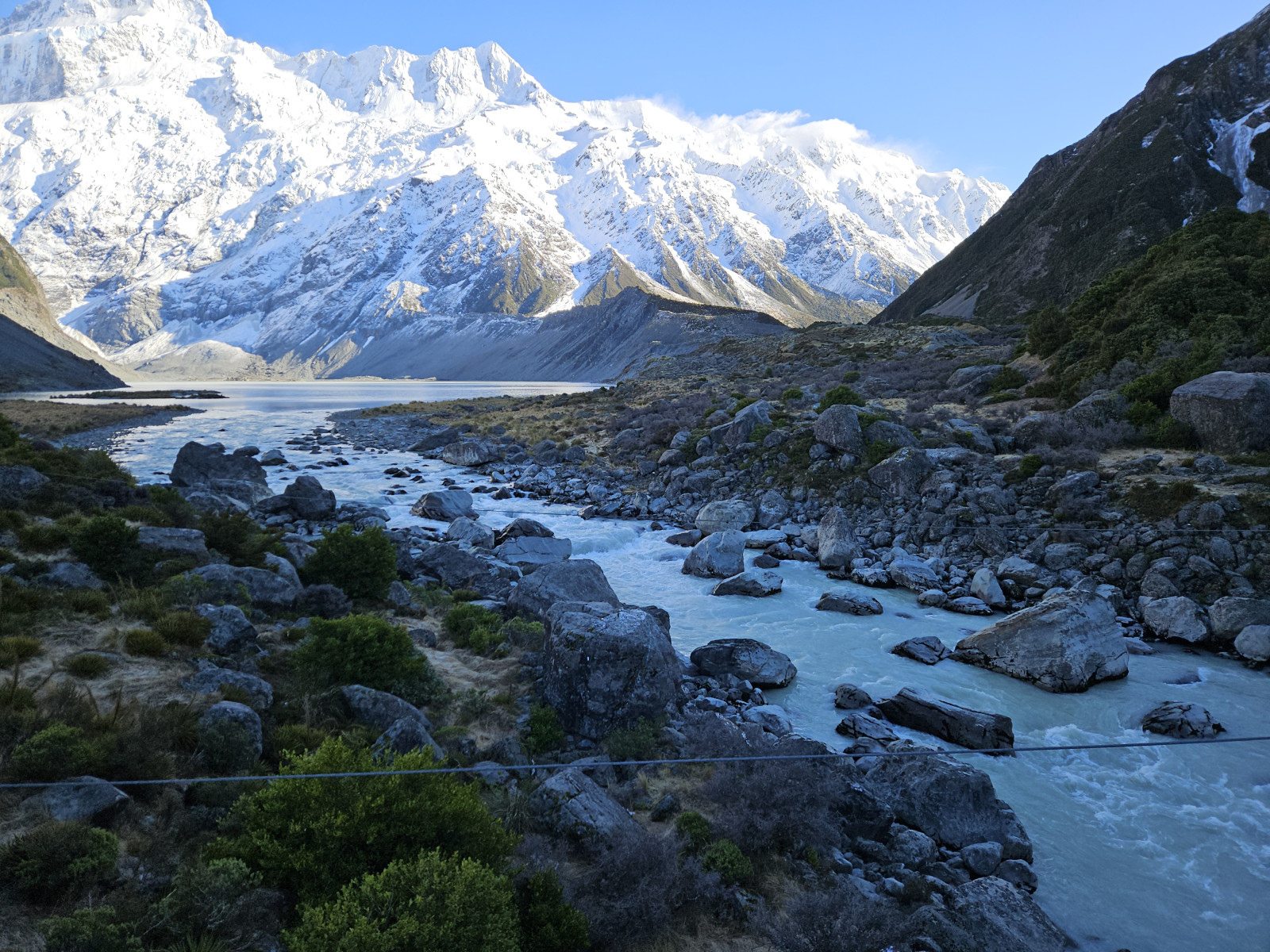
The second bridge was the biggest and most disconcerting in the way it wobbled about in the wind. As I pulled out my phone to take photos of the water below, I gripped tightly and wondered how many dropped phones lay at the bottom of the stream. Maybe that’s the reason for its colour.
The track is very rocky, which makes walking more difficult, and we were often having to avoid semi-frozen puddles. After the second bridge, we felt like we’d already covered a huge distance, but we still had about 2km to go. Ron fortified himself by his admiration of the landscape around us, while I fortified myself with a bag of wine gums I’d bought in Christchurch.
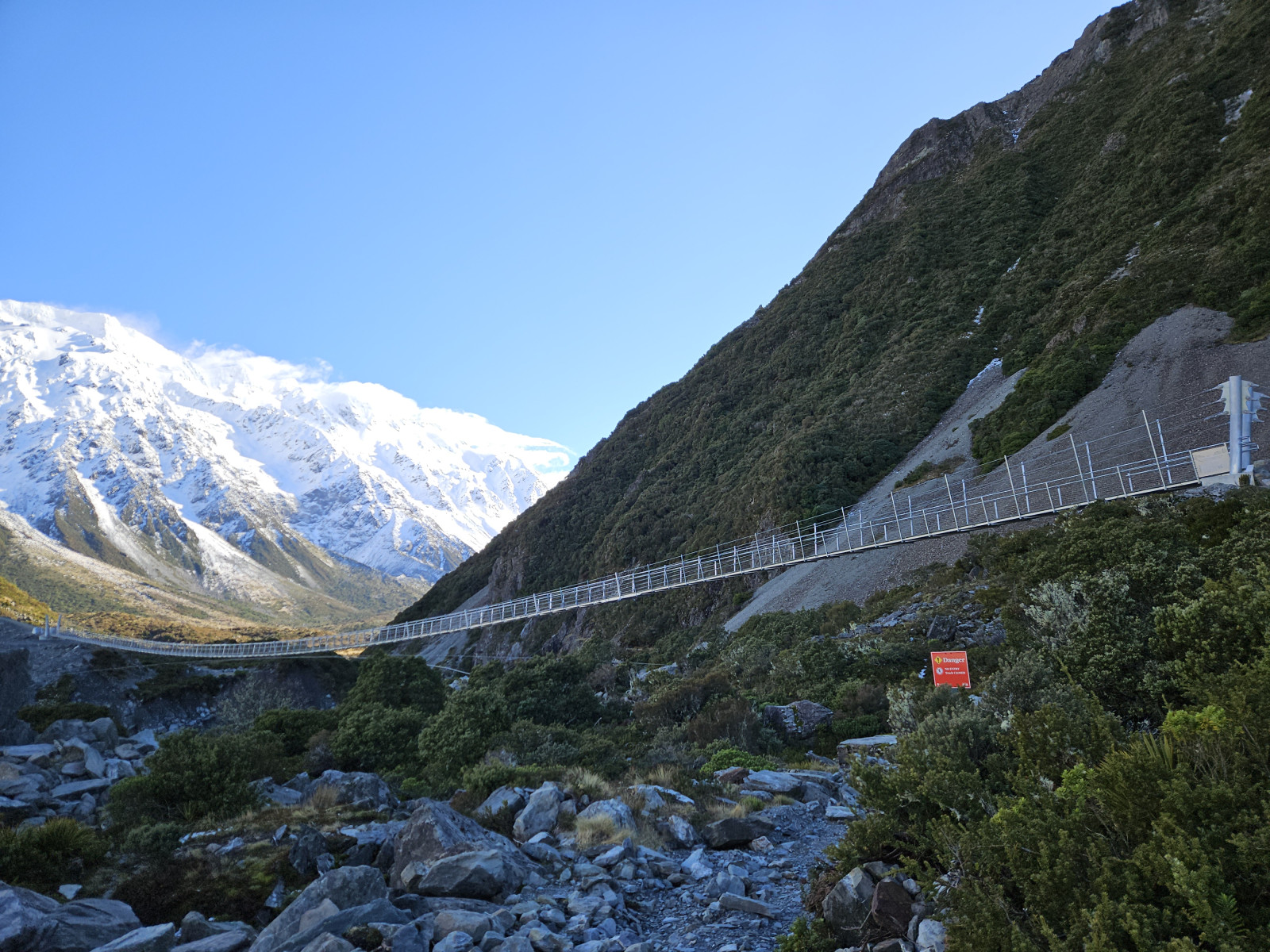
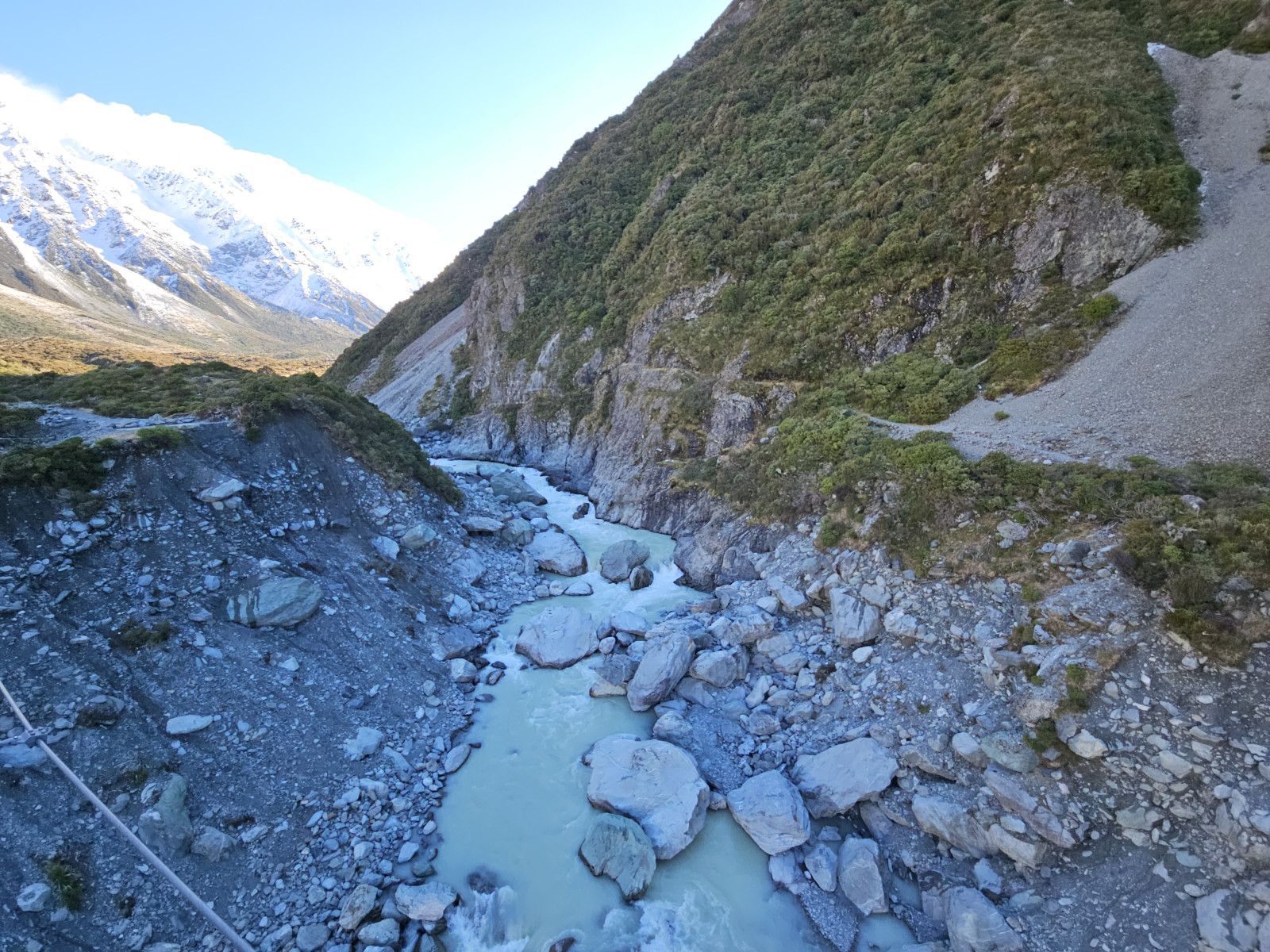
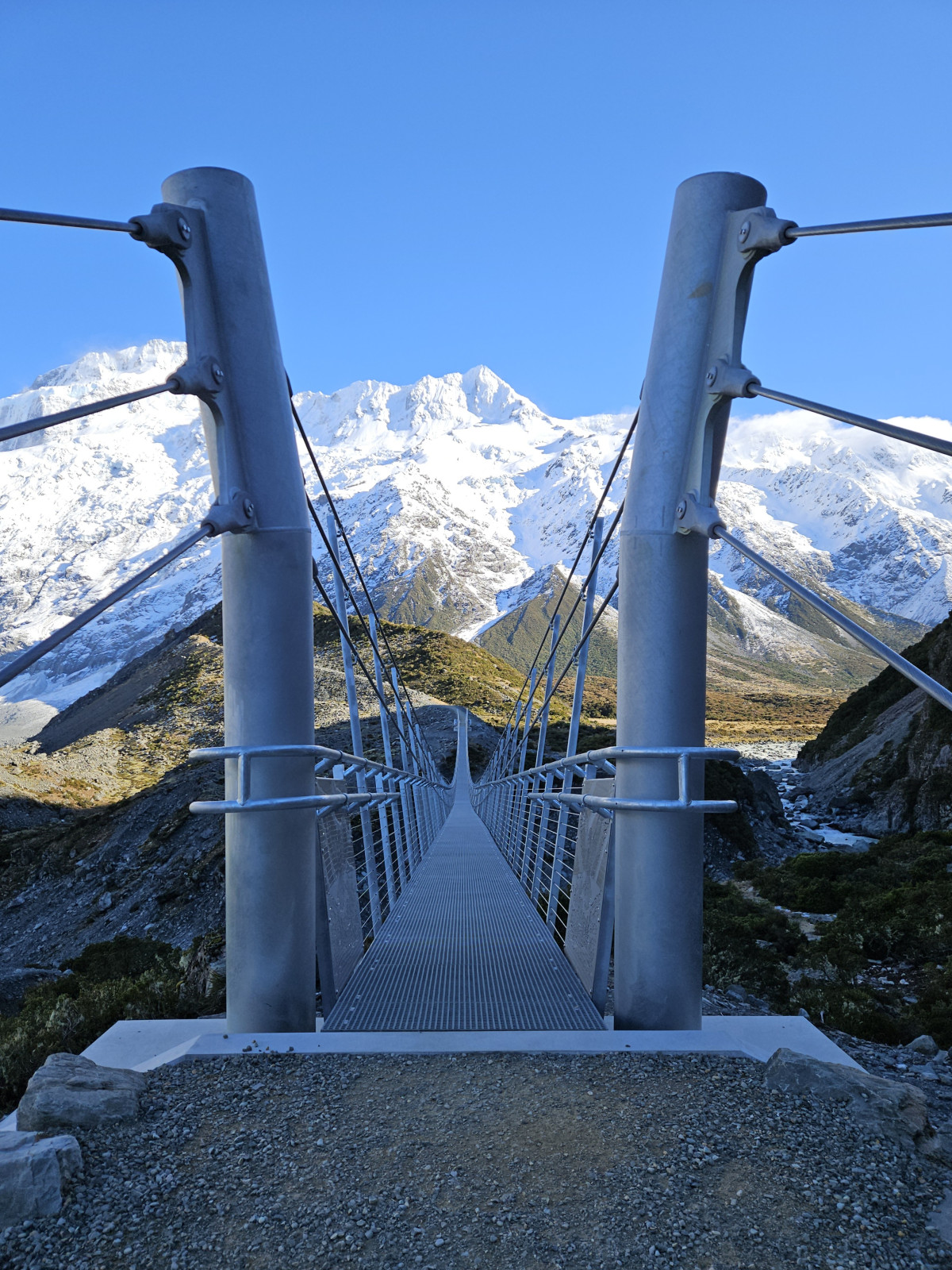
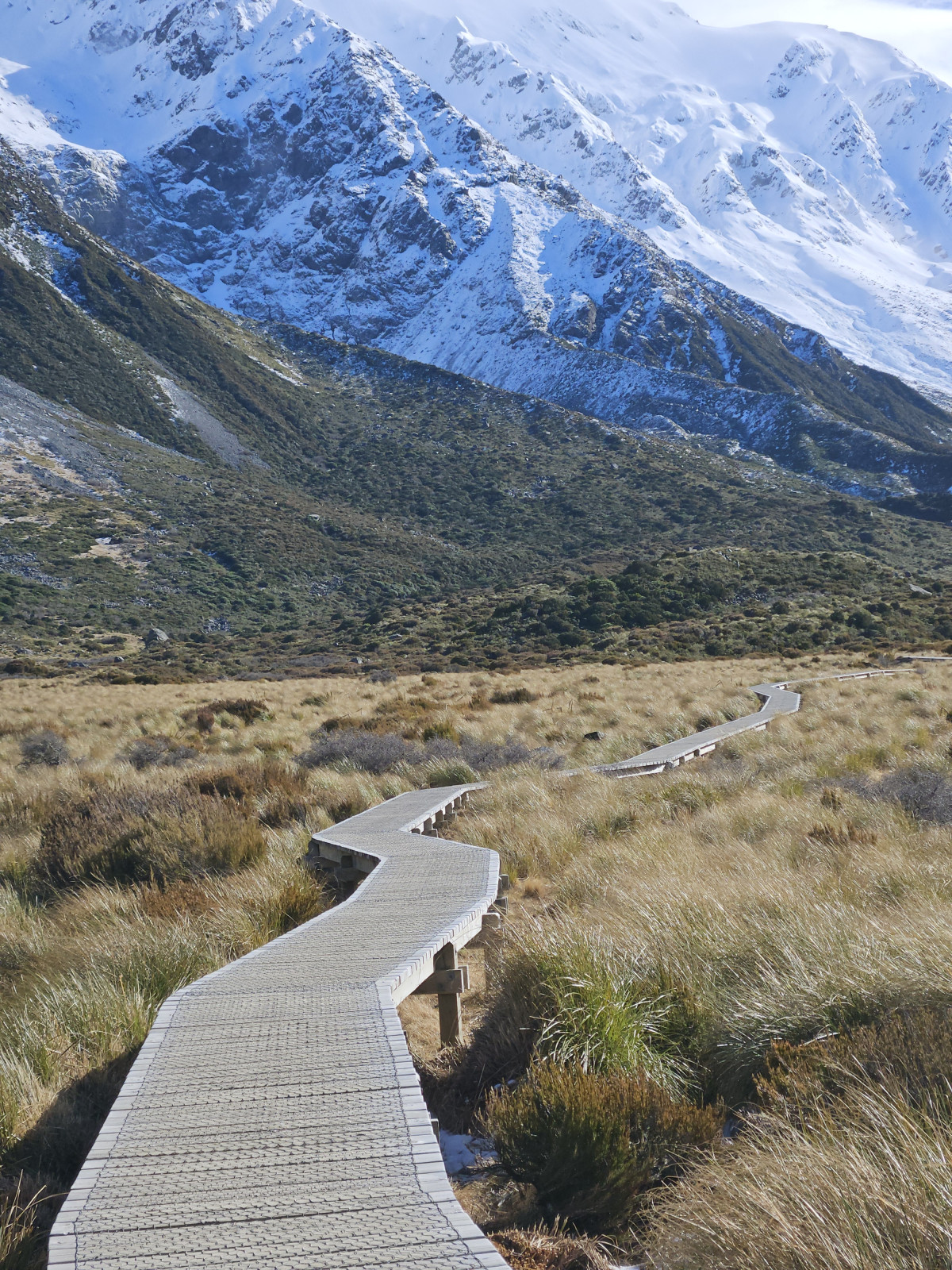
We crossed the final bridge, and then before long reached the end: Hooker Lake, its pure mountain water fed by glaciers. There was a picnic table where one could sit and admire the lake. Nearby I saw what I thought was a majestic eagle, but on closer inspection was just a duck. We sat and ate more OSMs.
A short trail led from the picnic area to the water, so we ambled down to commune with the lake. I approached the waterline, dipped my fingers in, closed my eyes, and opened my mind to receive its wisdom. It gently whispered a single word to me: “cold”.
Then it was time to head back, away from this beautiful and rugged place, back to civilisation: to the world of paved roads, and parking meters, and combination Taco Bell/Pizza Huts.
On the way back we got to see the same things again but from the other direction, which was nice. By the time we were approaching the carpark it was a tropical 8 degrees and we were overheating and sweating.
We got a quick lunch at the Sir Edmund Hillary Cafe & Bar, which Sir Edmund Hillary famously never eats at, on account of being dead. Then we were back in the car for the drive to Queenstown.
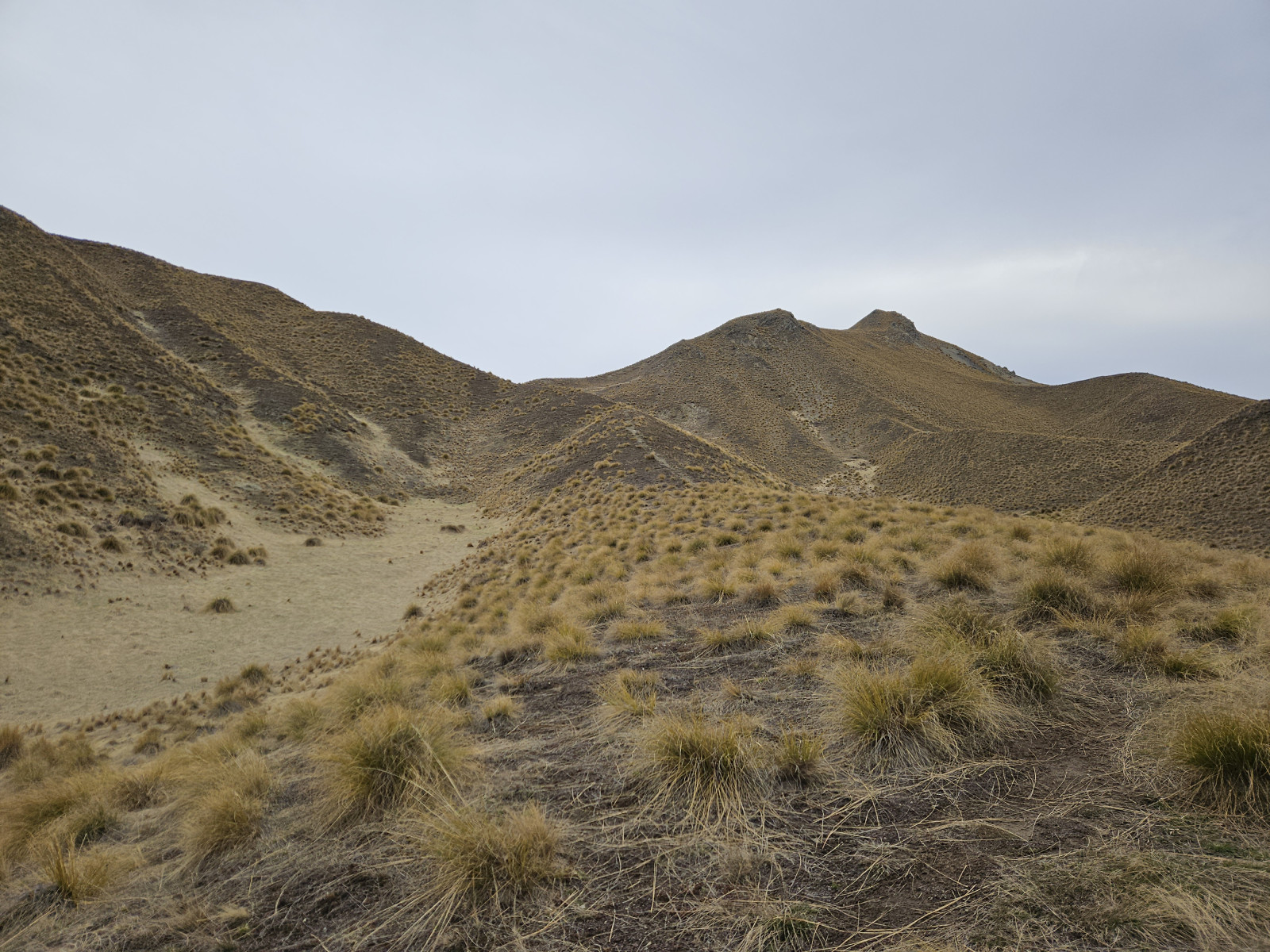
Queenstown! What can one say about Queenstown? In my case, not much yet. By the time we were approaching the city, I was exhausted and needed to focus on driving due to all the traffic on the road in, so I didn’t really get any first impression except “traffic”. We checked into the motel and took a much needed nap. By the time we were ready to go get dinner at a nearby pub, it was dark outside. So we haven’t seen much of the place yet. Here are the Queenstown Facts I’ve gathered so far:
- It’s a town
- There may or may not be queens here (further research needed)
- It’s cold
- It’s approximately three hours drive from Aoraki Mount Cook
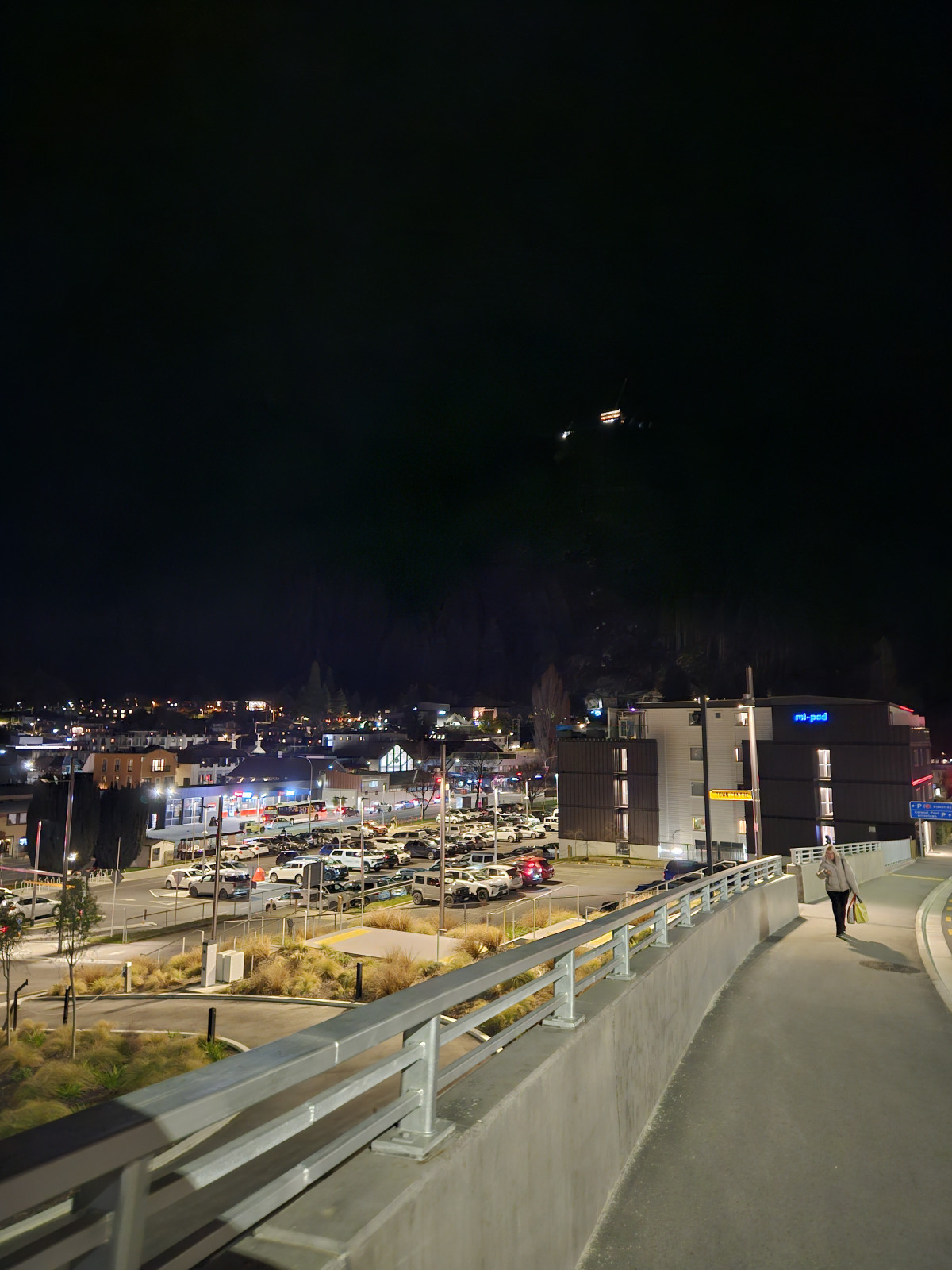
- On an overcast and moonless night like this, the mountains to the north are pitch black and indistinguishable from the sky above. At the top of the mountains is the Skyline gondola station and restaurant, which is lit up. So it looks like there’s a building just hovering in the sky.
I will undertake to gather more Queenstown Facts tomorrow.
Day 4: Queenstown to Te Anau
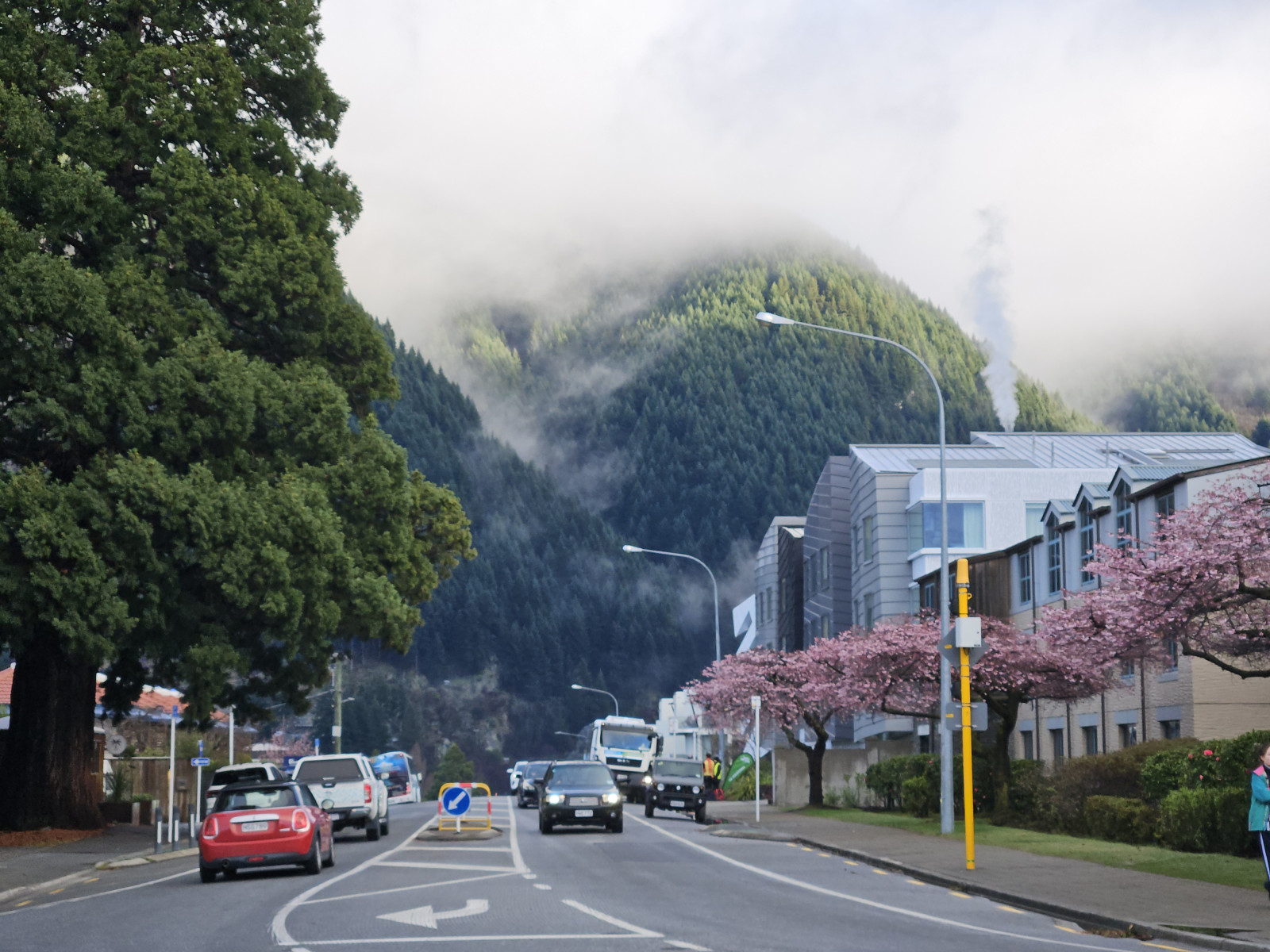
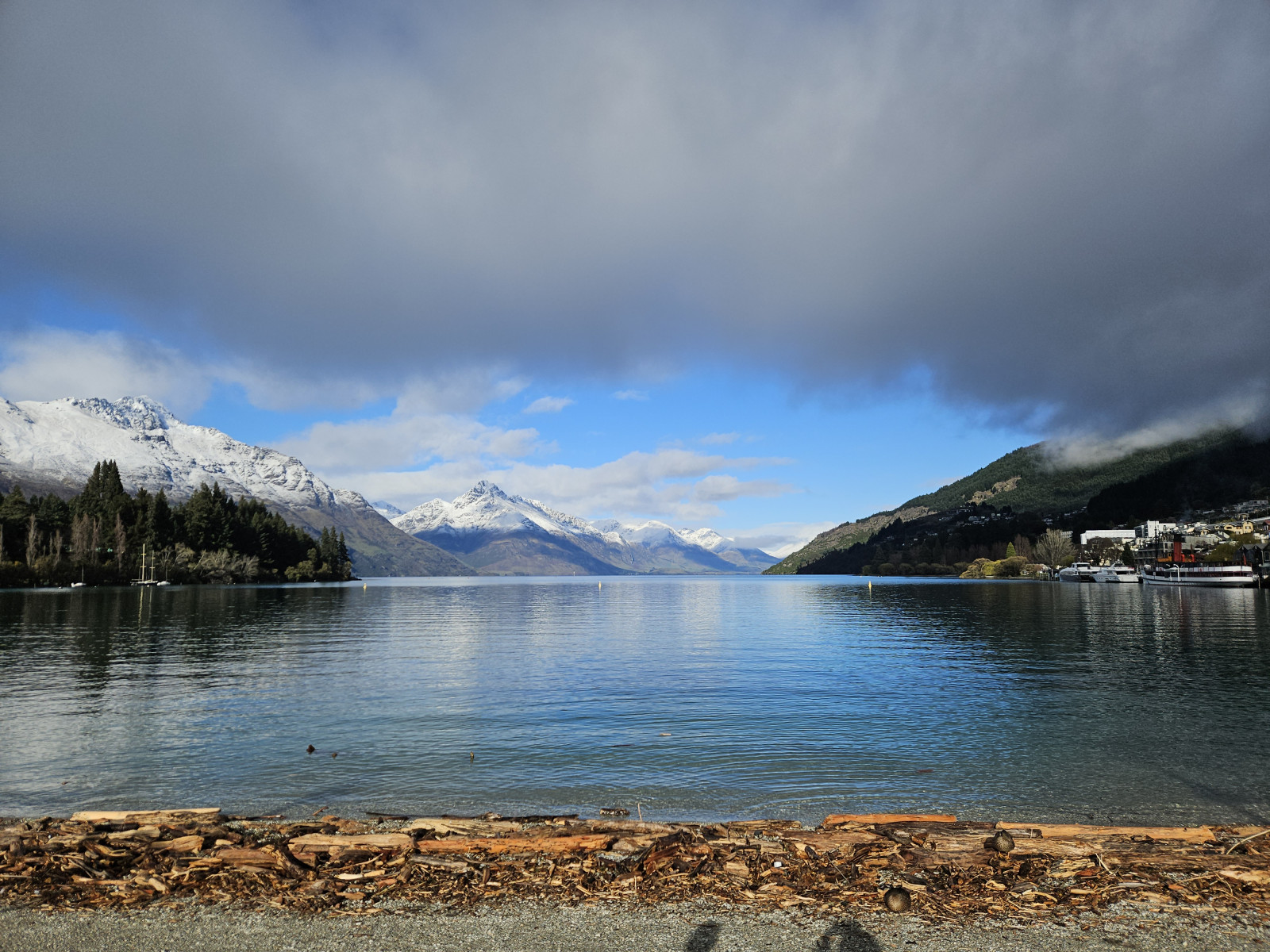
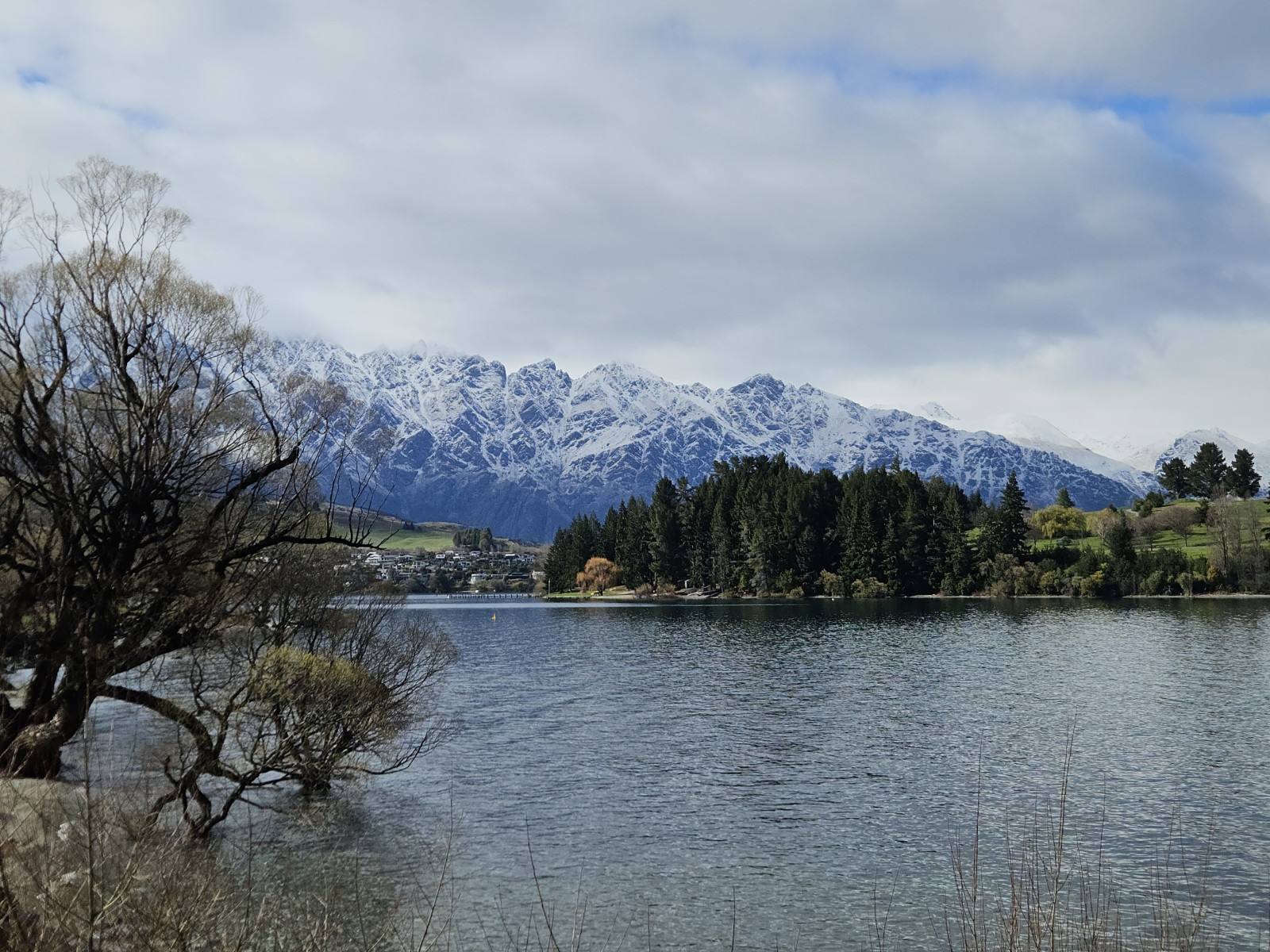
Our time in Queenstown was short, but we spent the morning and early afternoon seeing as much as we could. We got breakfast at a place called Yonder which looks like it becomes a trendy bar in the evenings, then walked around the Queenstown Gardens peninsula. Within the gardens are many points of interest including an ice rink and a disc golf course (though playing disc golf on a peninsula seems like asking to lose your disc).
I’d thought we’d done all of our hiking at Aoraki. But Queenstown is a very hilly city. Although on paper our motel was only a ten minute walk from the middle of town, it felt further as we schlepped up and down the hill like mountain goats, eyeing up the fancier hotels closer to town.
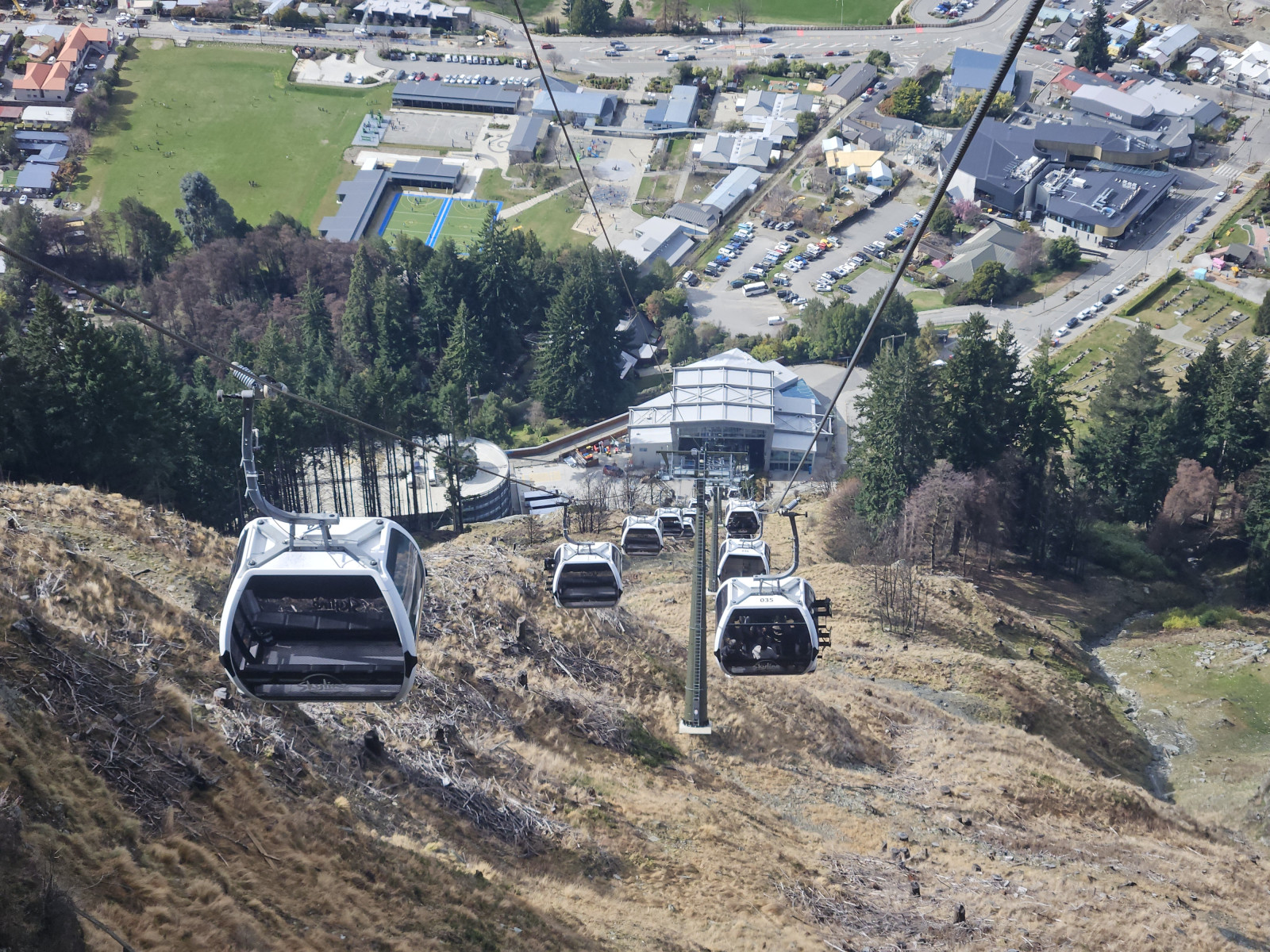
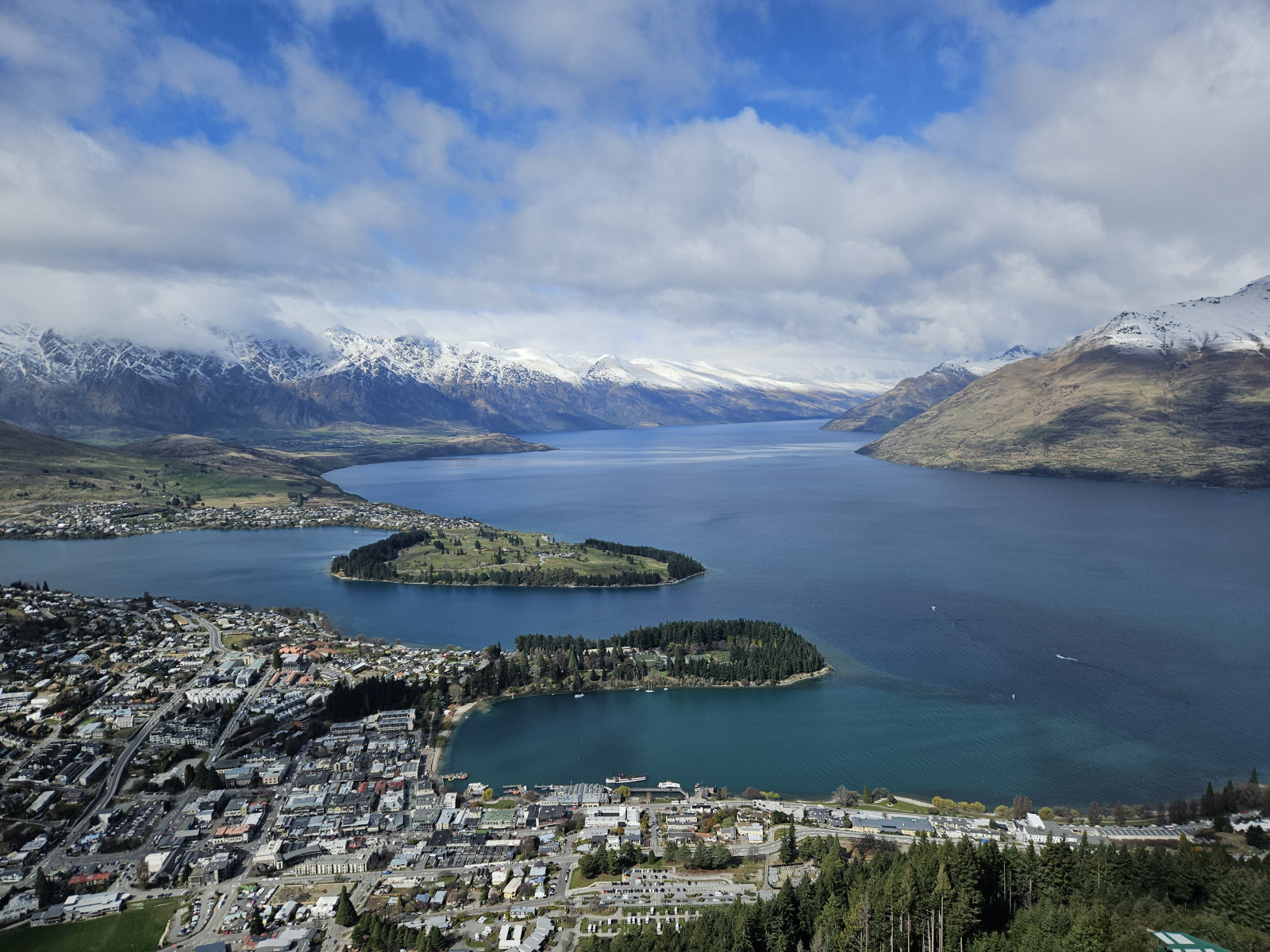
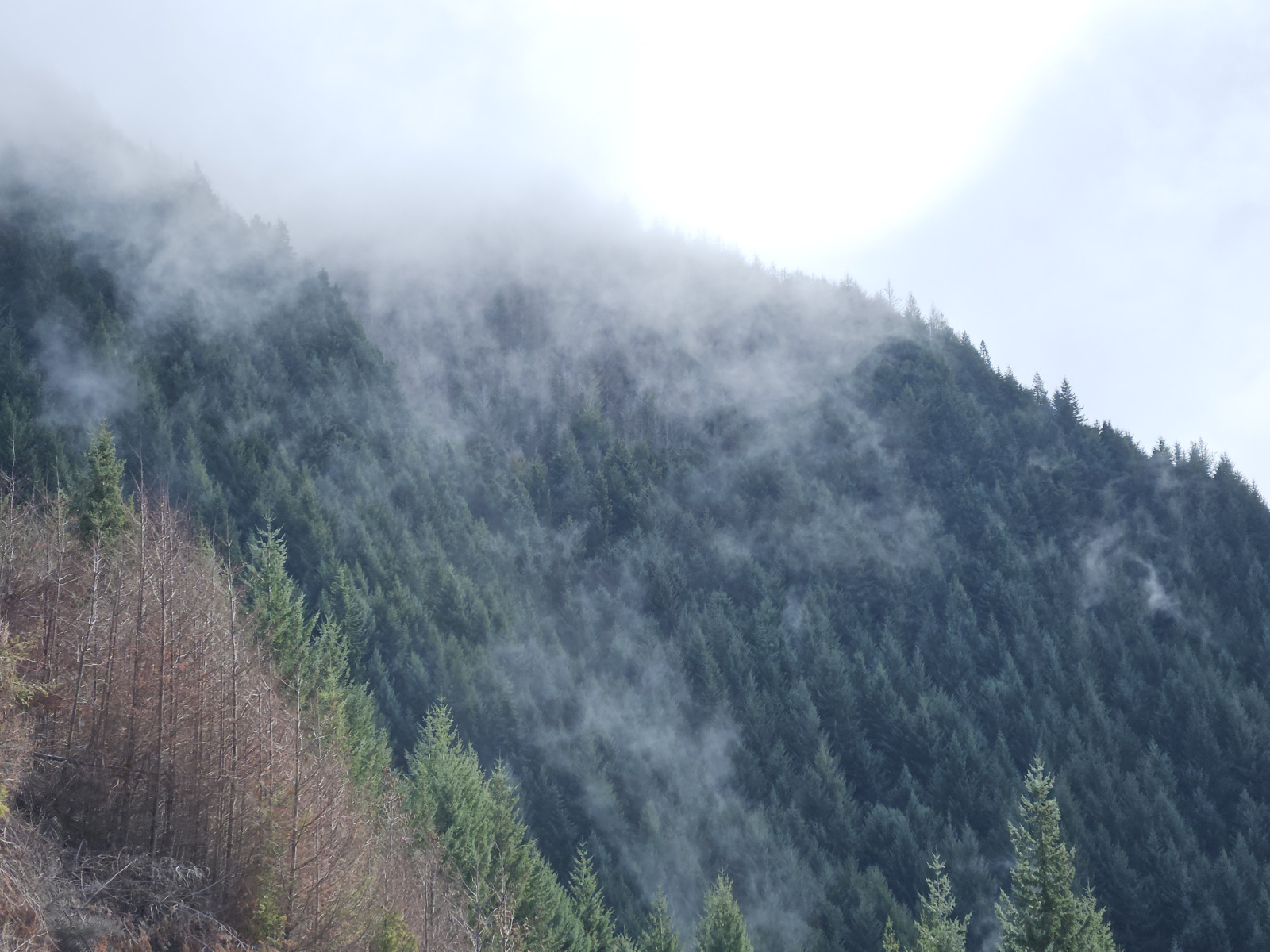
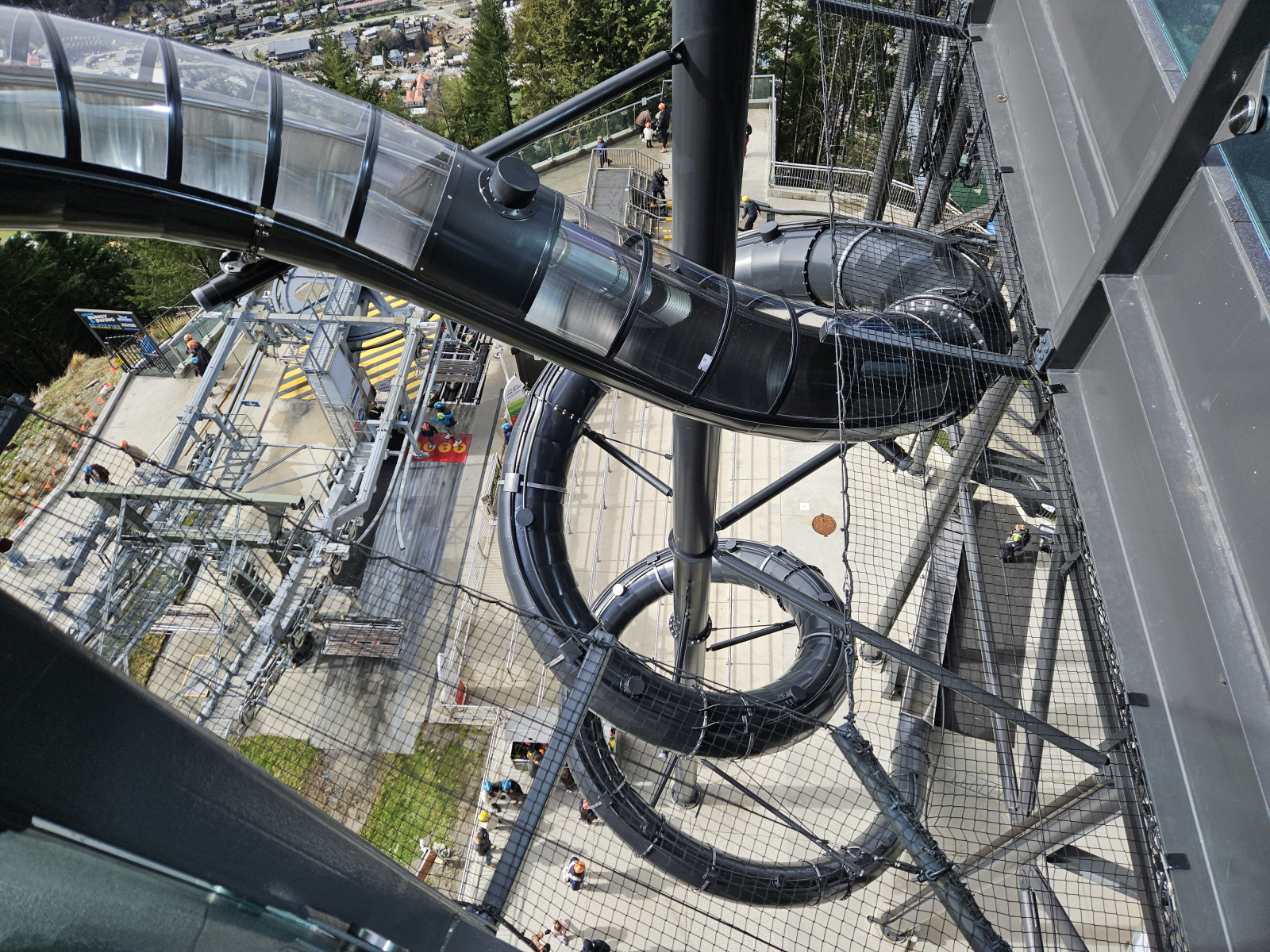
Speaking of mountain goats: That’s what we saw as we went up the Skyline gondola. The gondola goes up about 400 metres and gives a great view of the town, the lake, the mountains, and also the goats that hang around on the mountainside. At the top of the gondola there’s a luge track, a giant slide, and a bungee jumping platform which is currently closed until November (which is definitely the only reason I didn’t do it).
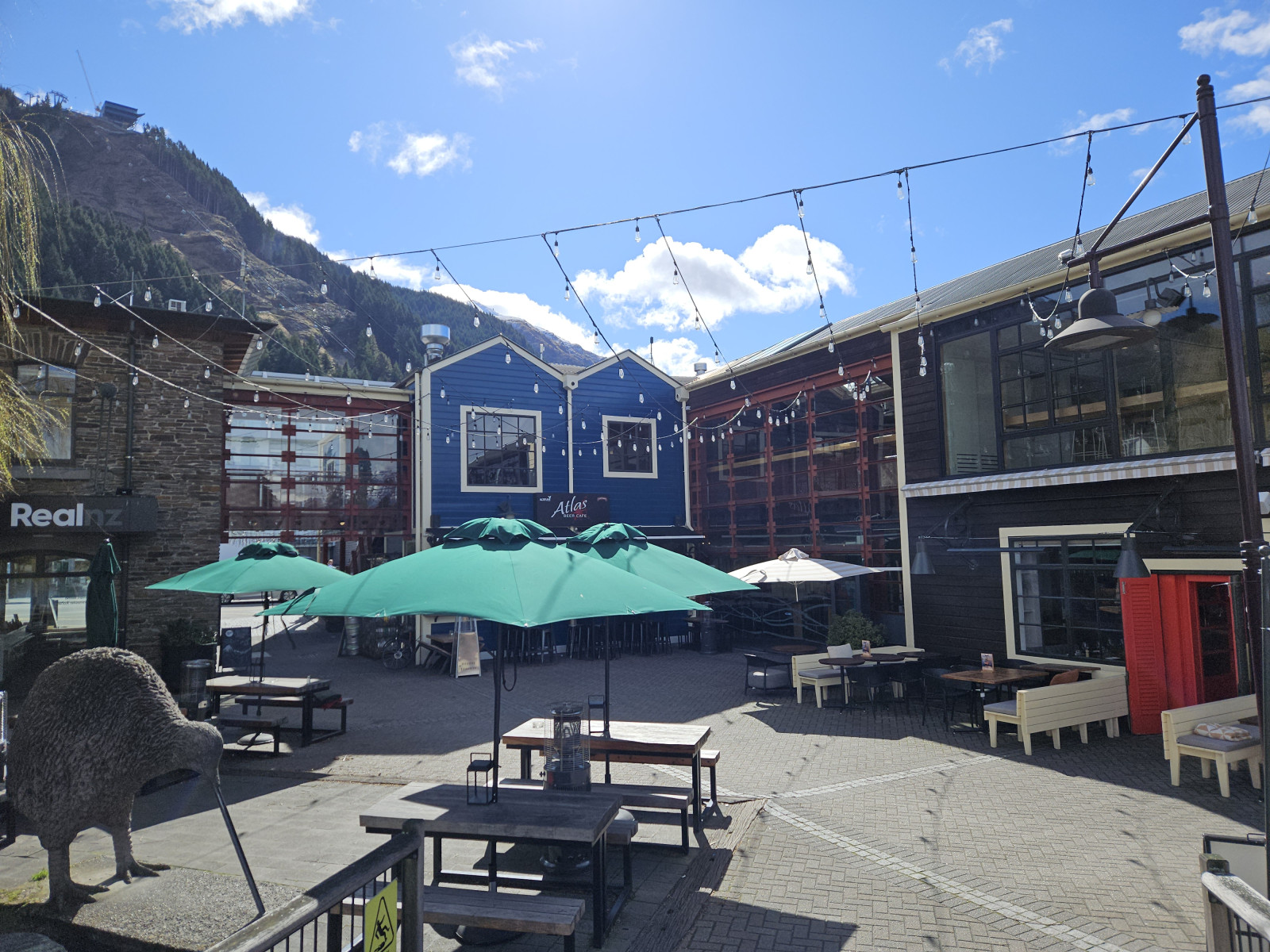
We meandered around the town some more, then trekked up the hill one last time to the car. It was time to move on to the next destination, Te Anau. But first we needed to buy some petrol.
When we picked up the rental car, I agreed to a thing where you pre-pay for a tank of petrol at a discounted rate (about 20% cheaper than filling up at a servo), and then you can return the car with an empty tank. But to come out ahead on that, I need to make sure the tank actually is empty when we return it, or at least less than 20% full. So, I looked up the fuel economy of our Mitsubishi ASX as well as the distance remaining for the trip, and calculated how much petrol we’d need. Annoyingly it still cost NZ$120 to top up the tank. Thanks Trump.
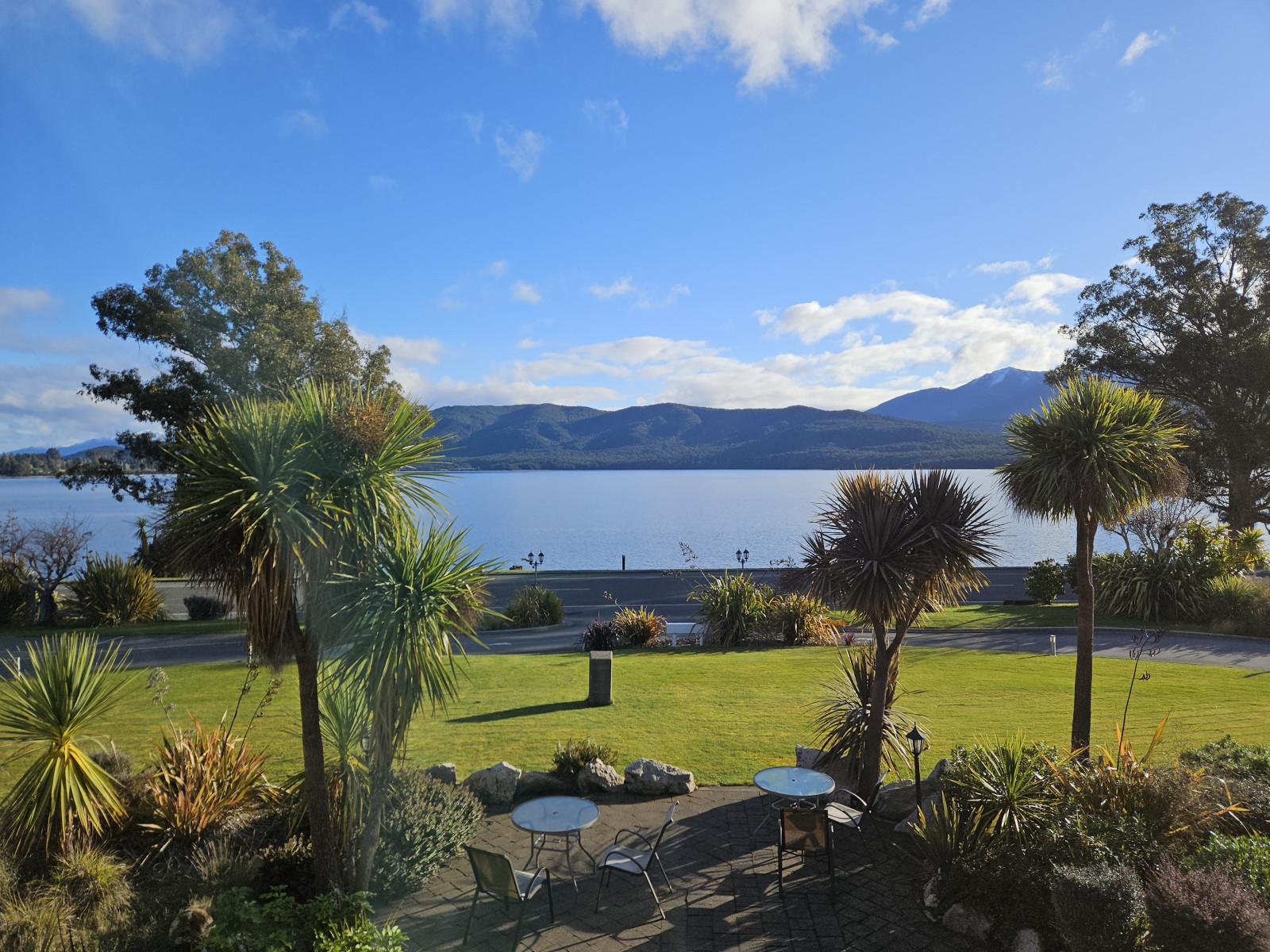
Then we were off to Te Anau, which will be our jumping-off point for Milford Sound tomorrow. Te Anau sits on the shores of yet another lake, and our motel apartment looks right onto it. Lakes have been an ever-present feature of the trip so far. I didn’t plan it that way; there are just a lot of lakes in the South Island. You can’t swing a cat around here without hitting a lake.
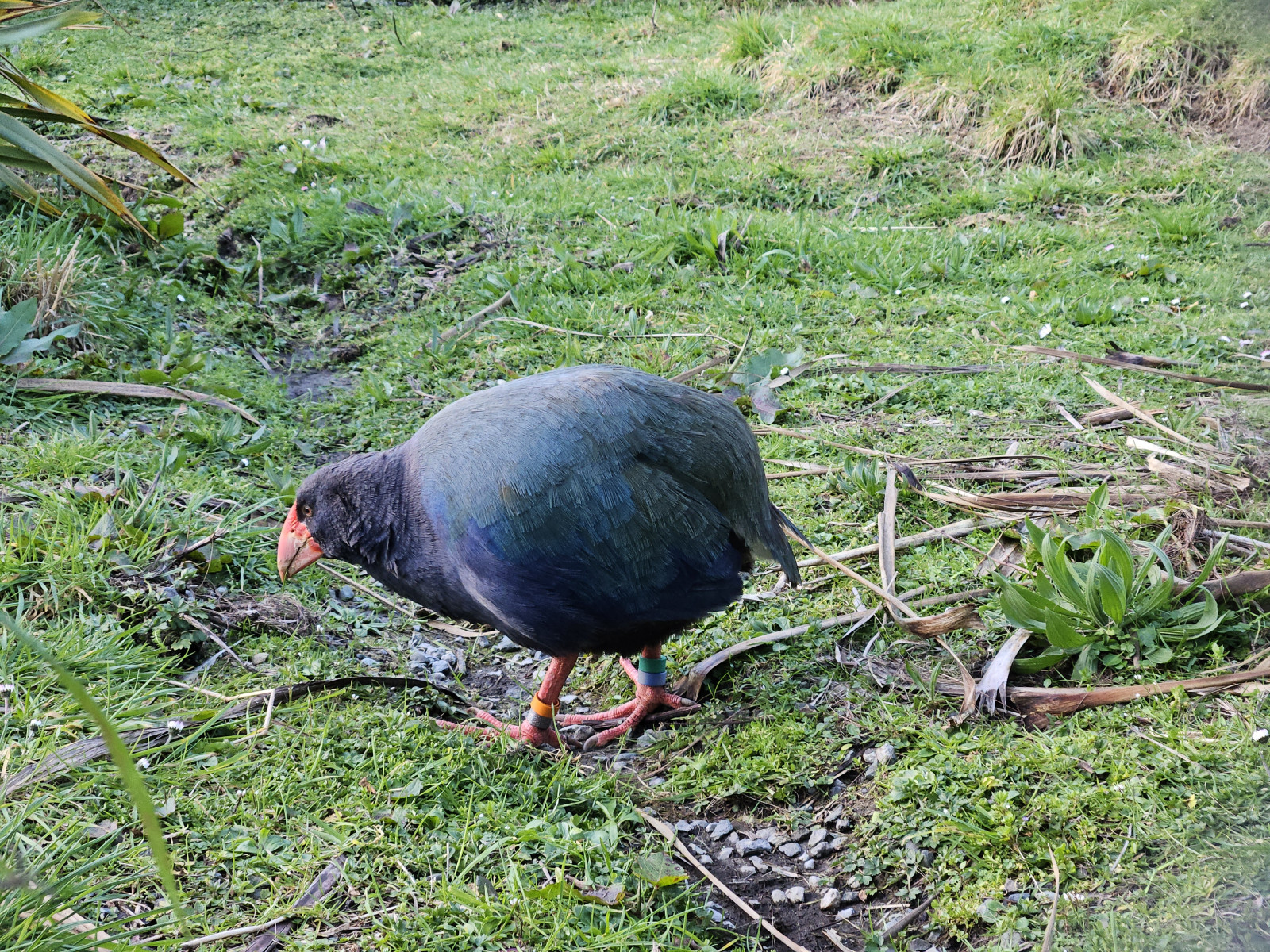
We dropped by a nearby bird sanctuary, then tried to get to a spot near town that was a filming location for the Lord of the Rings, but it was too hard to get to and the sun was going down, so we gave up on that. Instead we went to a gastropub in town for dinner and ate fancy pies and creme brulee.
Day 5: Milford Sound
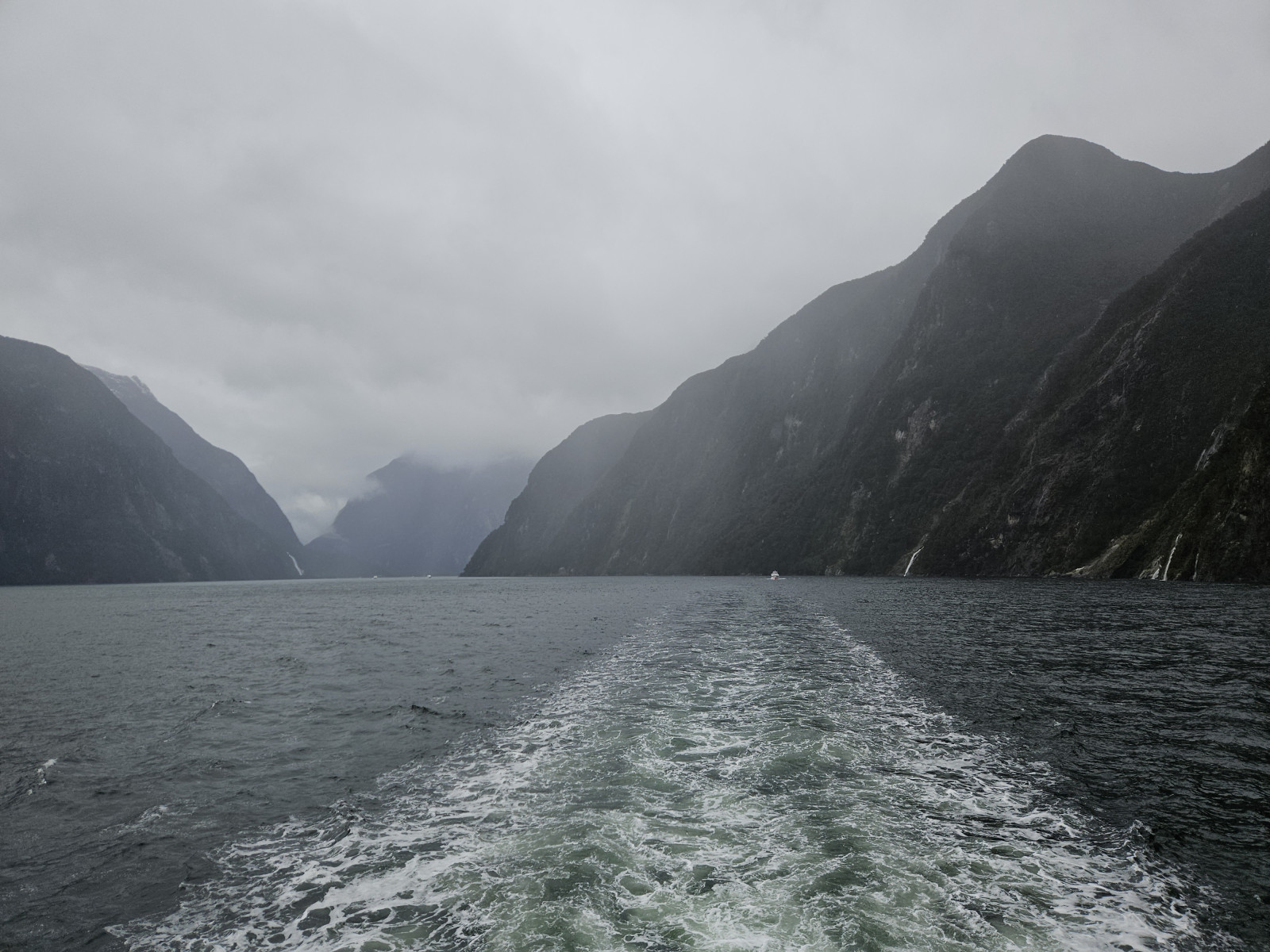
Today we went to Milford Sound, which is quite a Milford sight. The bus ride from Te Anau to Milford Sound took about three hours, including a lot of stops along the way to take in the increasingly dramatic scenery. We would all pile out of the bus at designated viewing points and jockey for positions where we could get good photos without everyone else being in the way. Luckily we’d positioned ourselves right across from the rear door of the bus, so I could spring out and snap pictures while everyone else was still putting their jackets on.
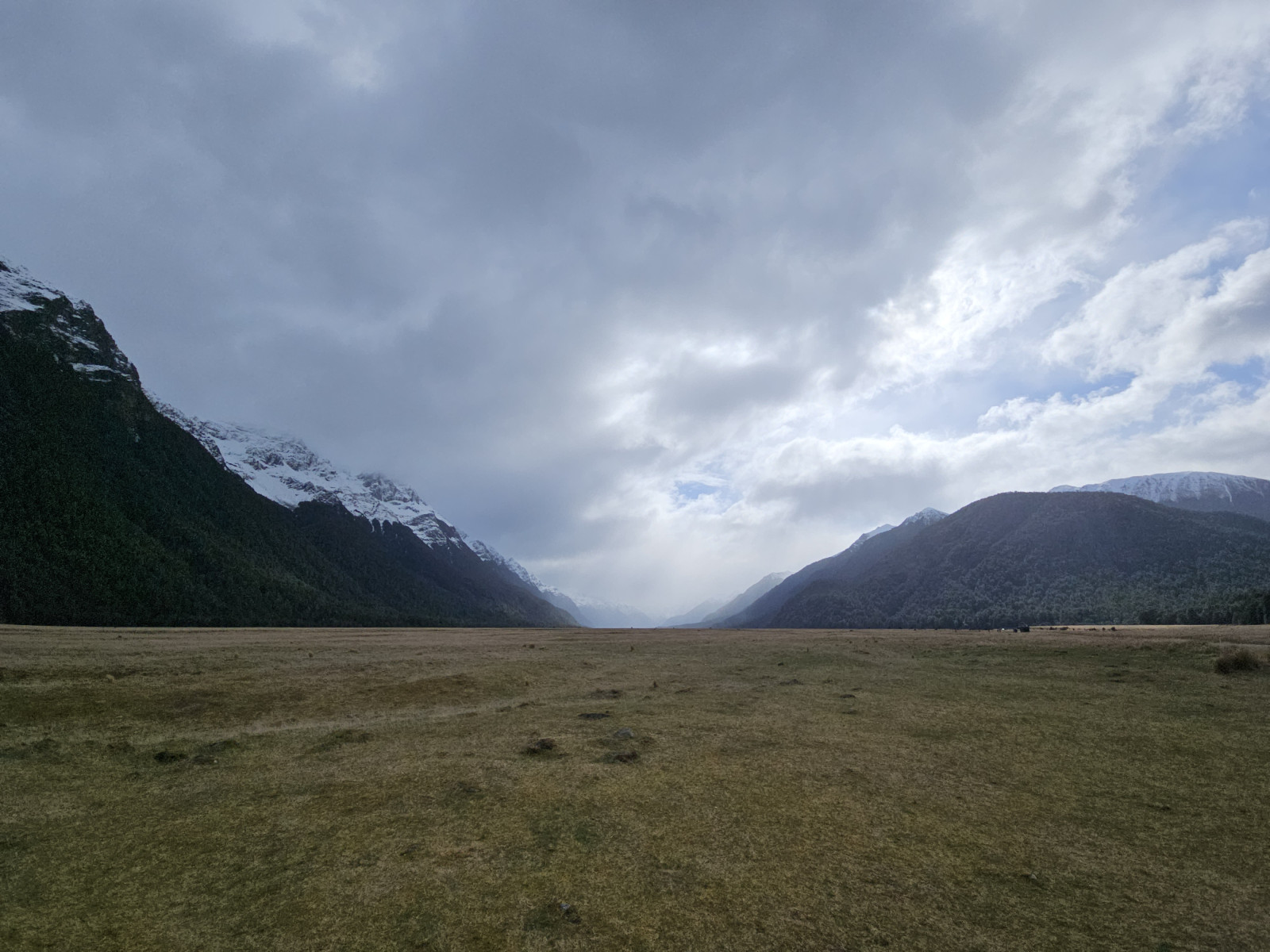
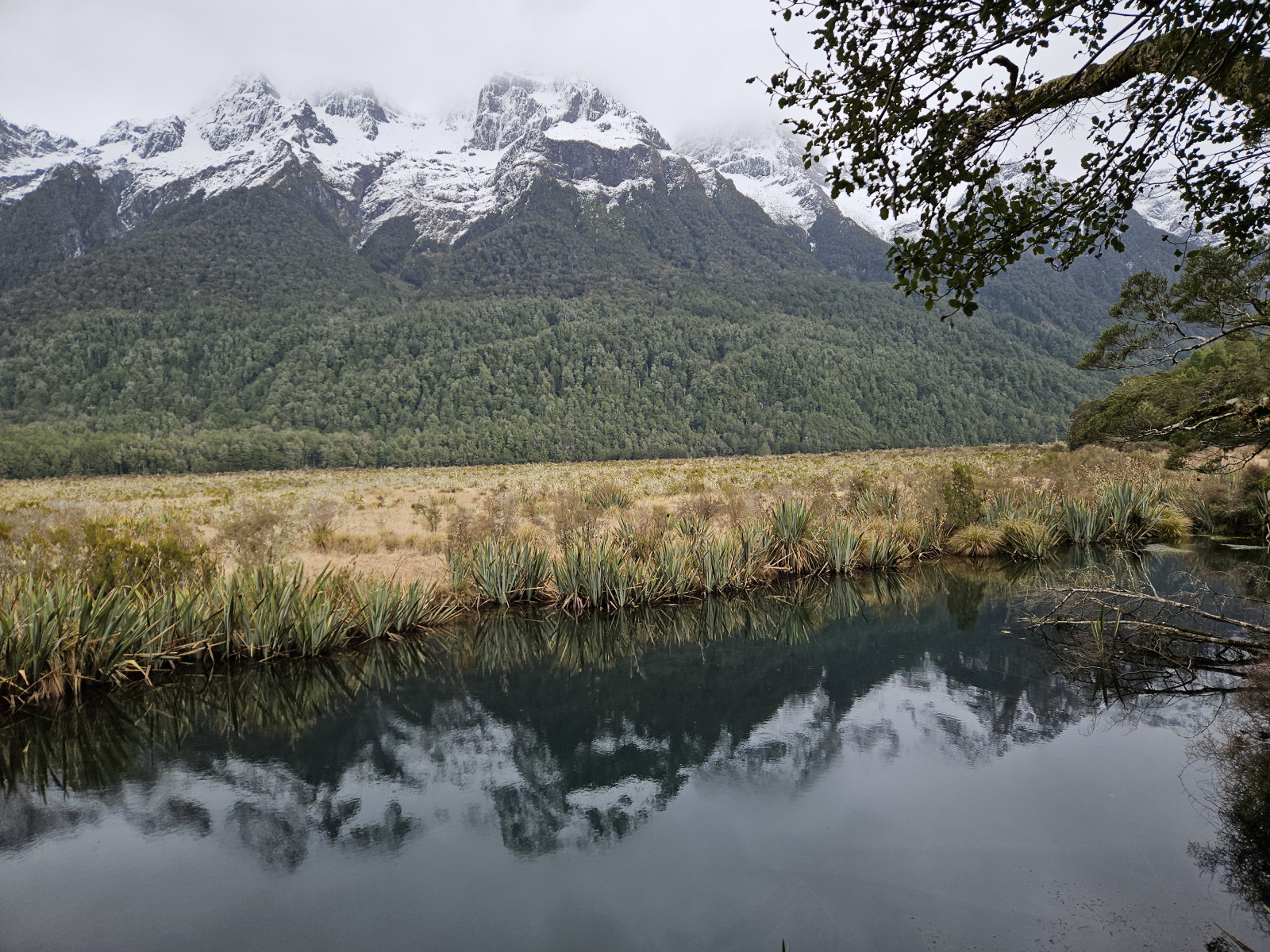
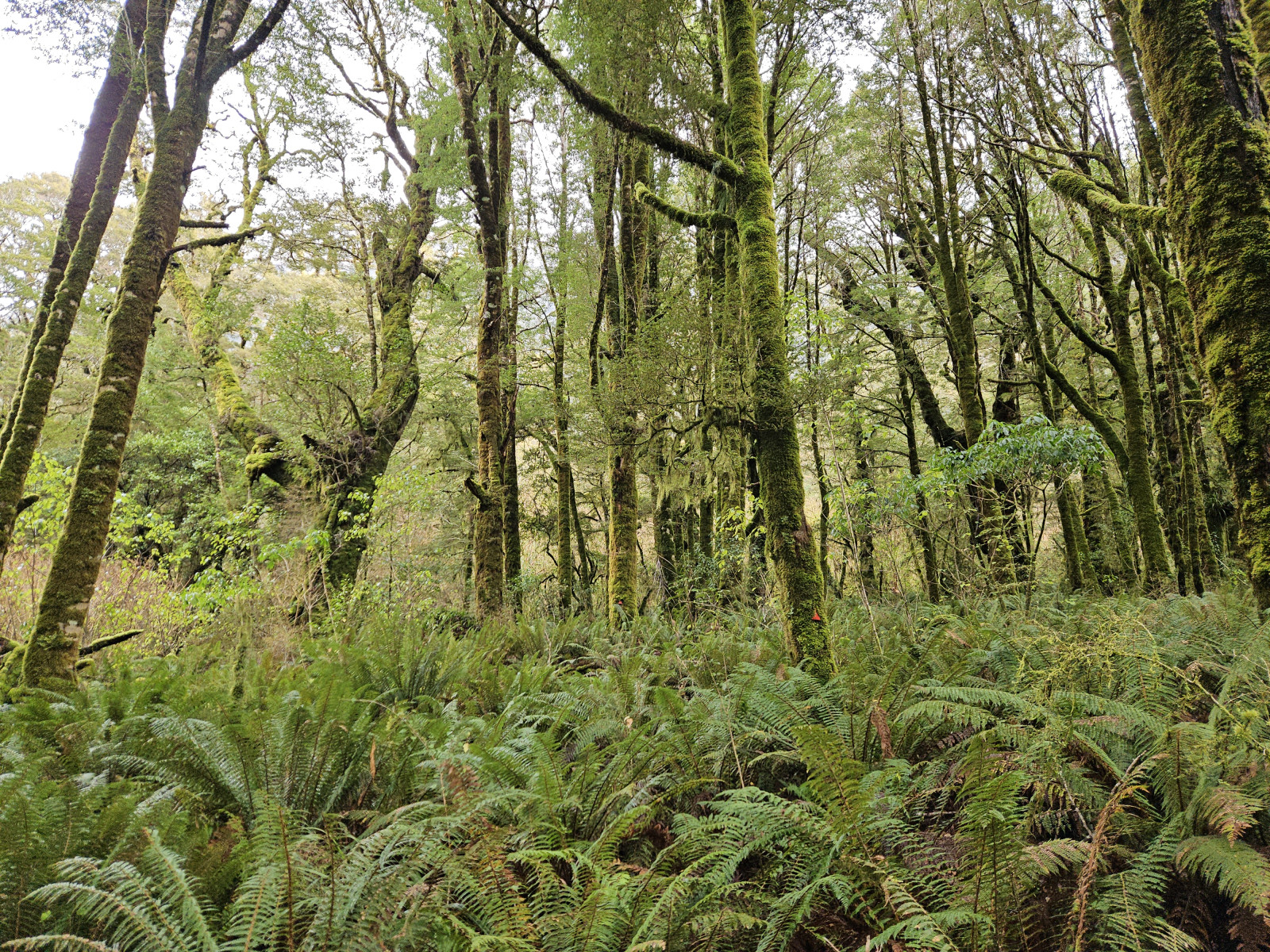
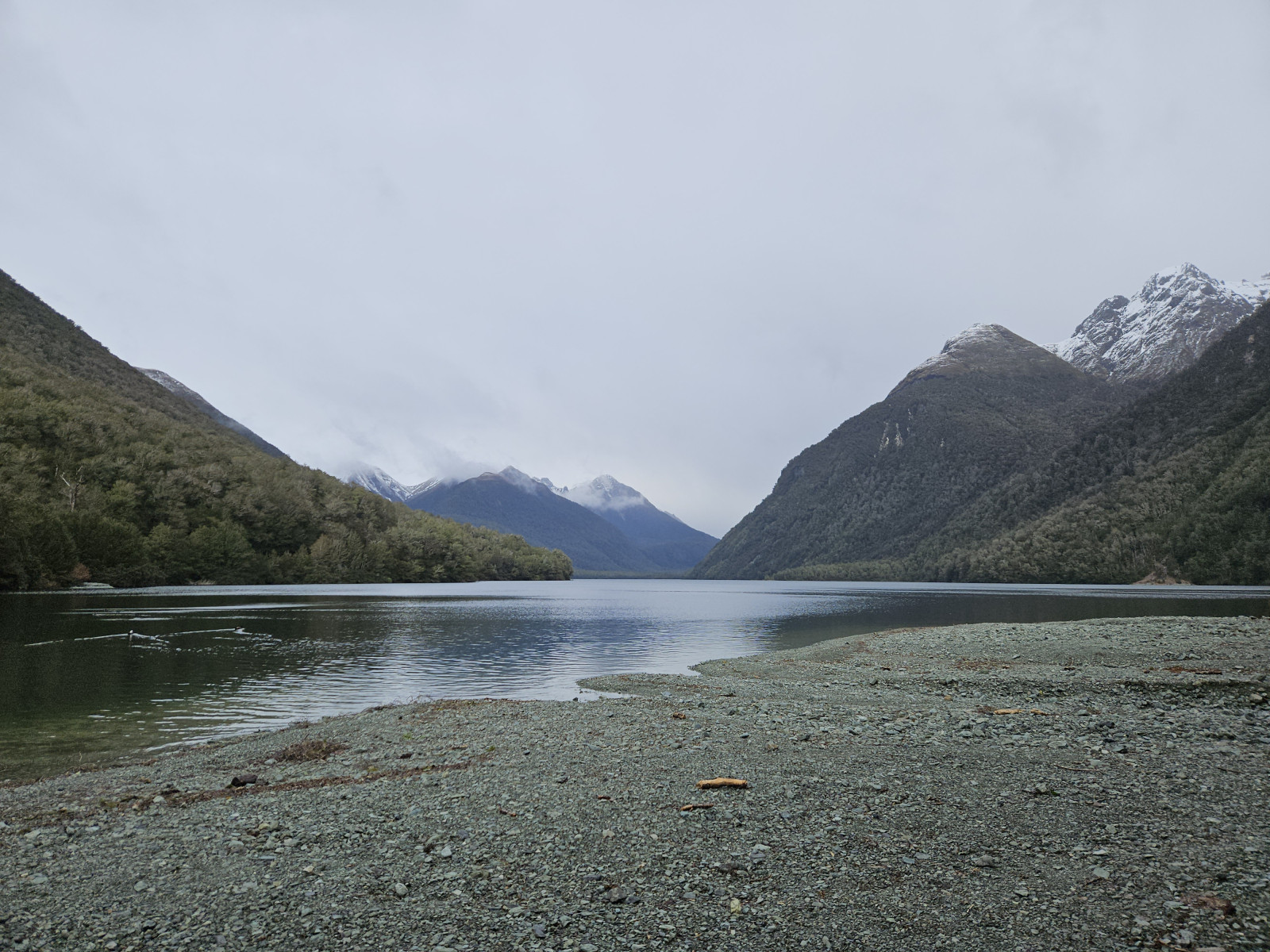
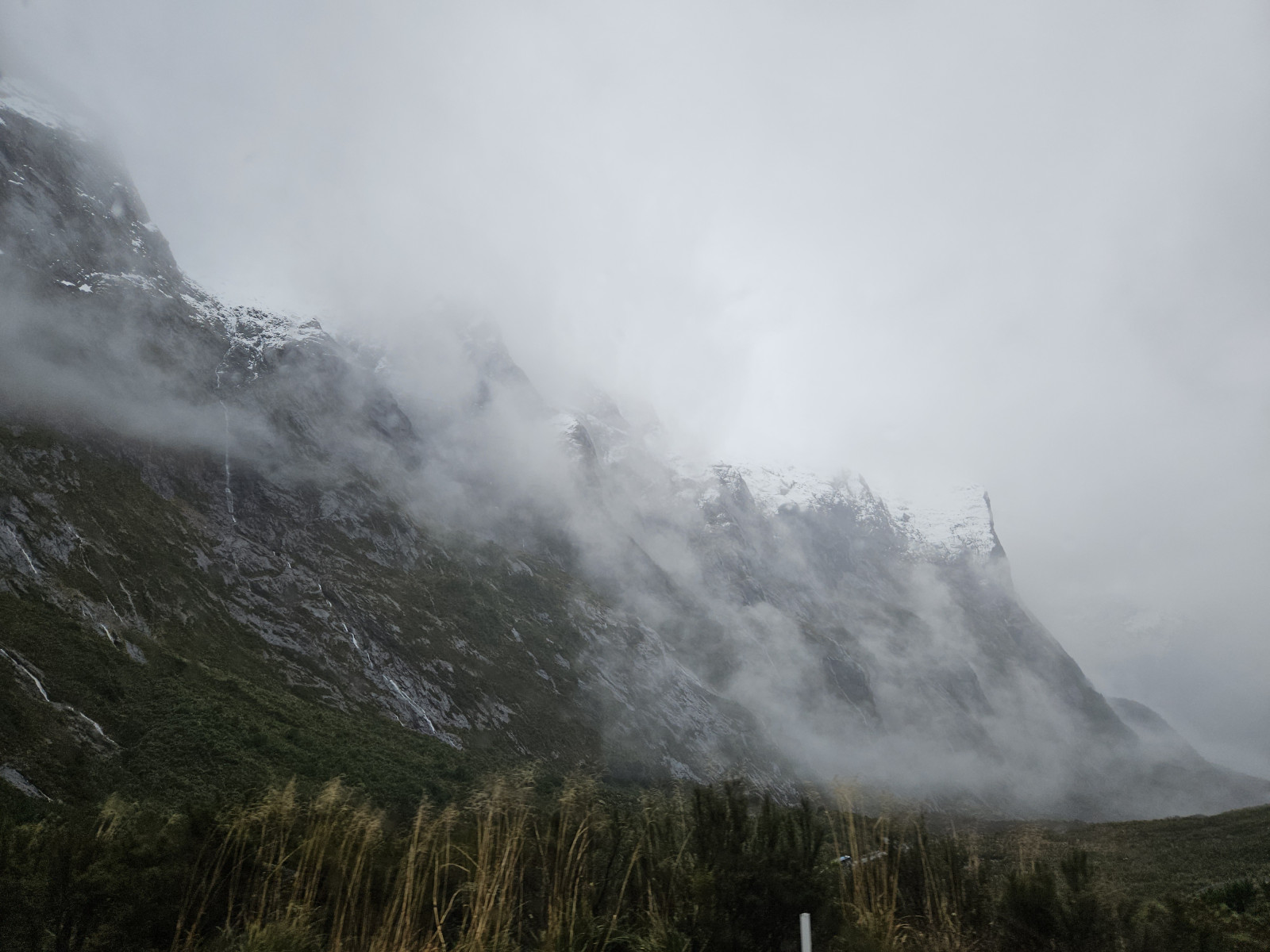
The driver entertained us along the way with informative patter about the landscape, flora, and fauna. There was a lot of information about the beech trees that carpet the mountains. The mountains are solid rock, so there’s no soil for the trees to grow from. Instead they grow out of the moss that accumulates there, and cling onto the step hillside using a shared root system that grabs whatever cracks in the stone it can find. Occasional gouges down the mountainsides show where a tree has decided it’s all too difficult, letting go and taking out all the trees below it like somebody tore a strip out of a rug.
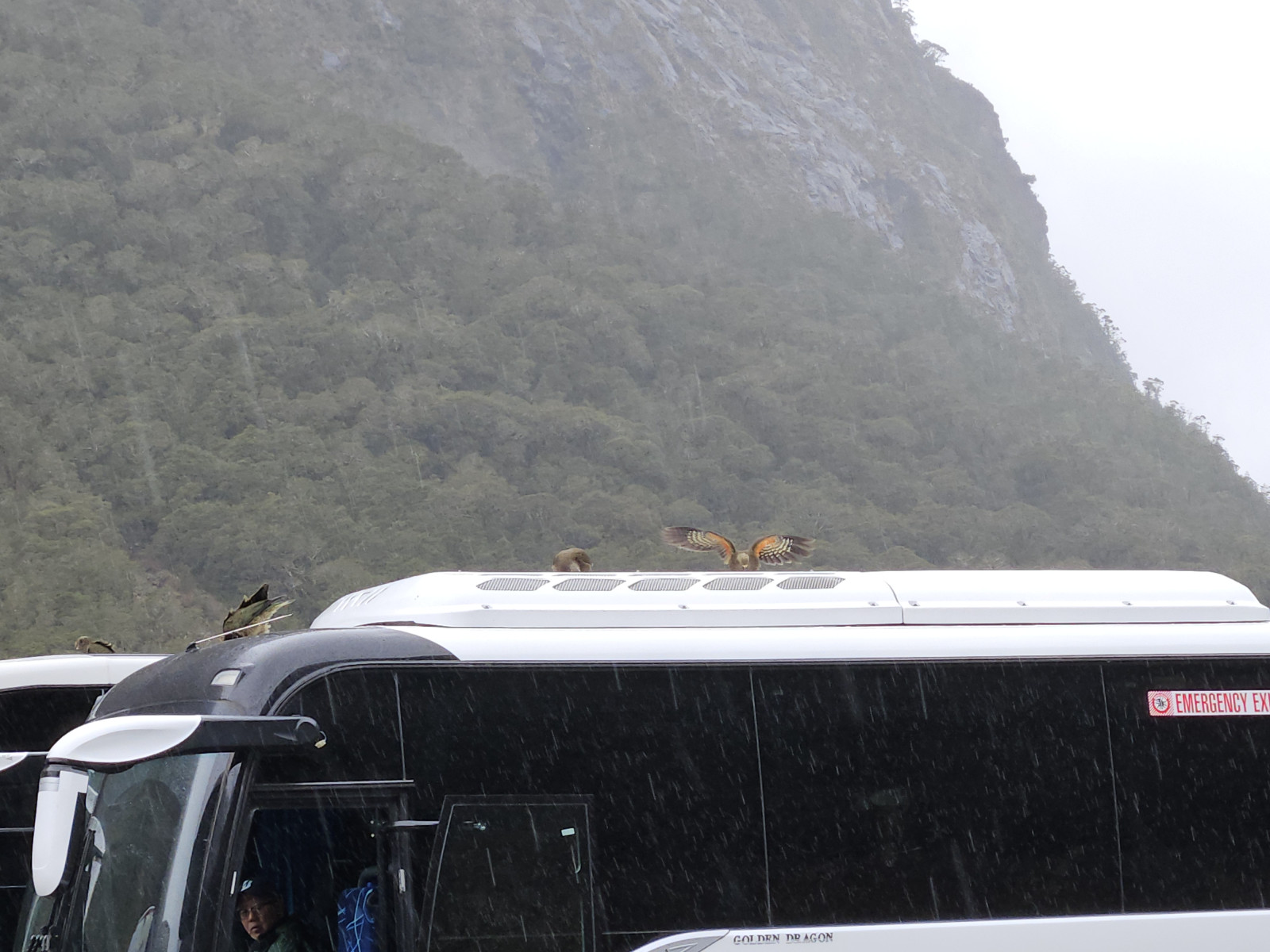
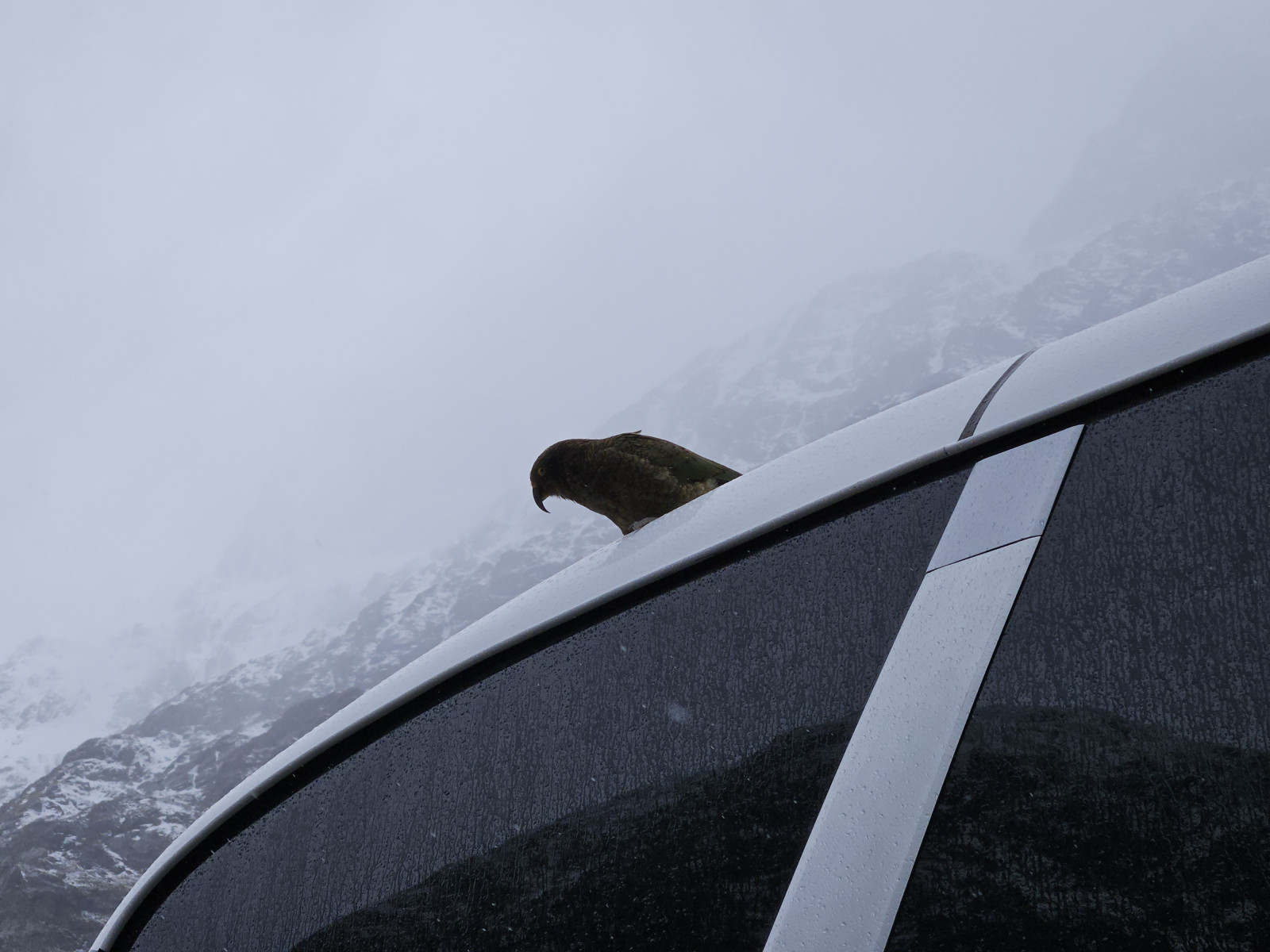
Toward the end of the drive, the mountains surrounded us with impossibly steep walls of rock, disappearing into clouds as if they might continue on forever. We made one last stop there, in an area where Kea birds are known to hang out. Sure enough a gang of Keas were playing on top of another bus as we pulled up. Before long, three or four buses were clustered there, with dozens of people milling about taking photos of the birds as they hopped around from bus to bus, looking for an aerial they can bend out of shape or rubber seals they can rip out for fun.
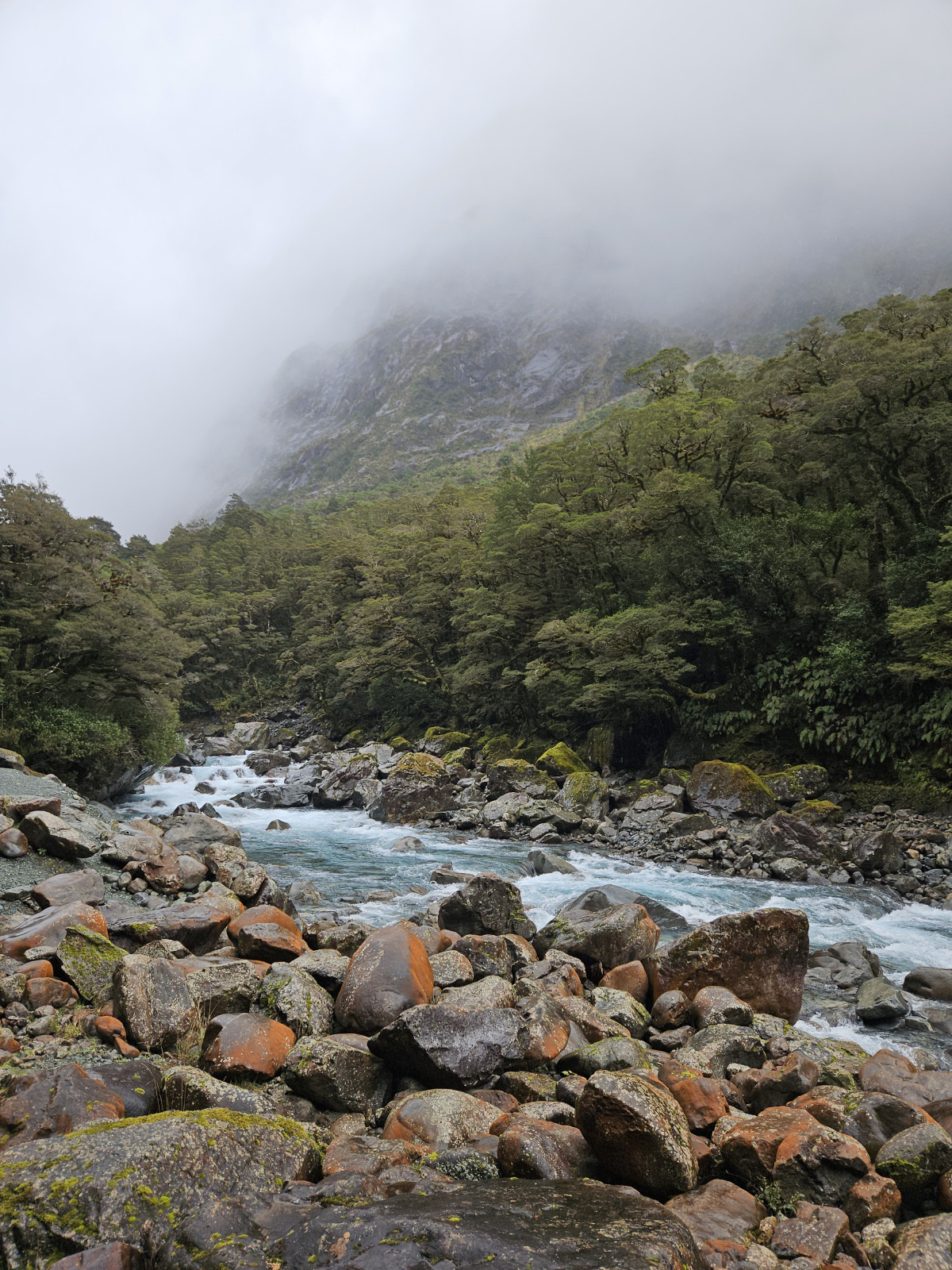
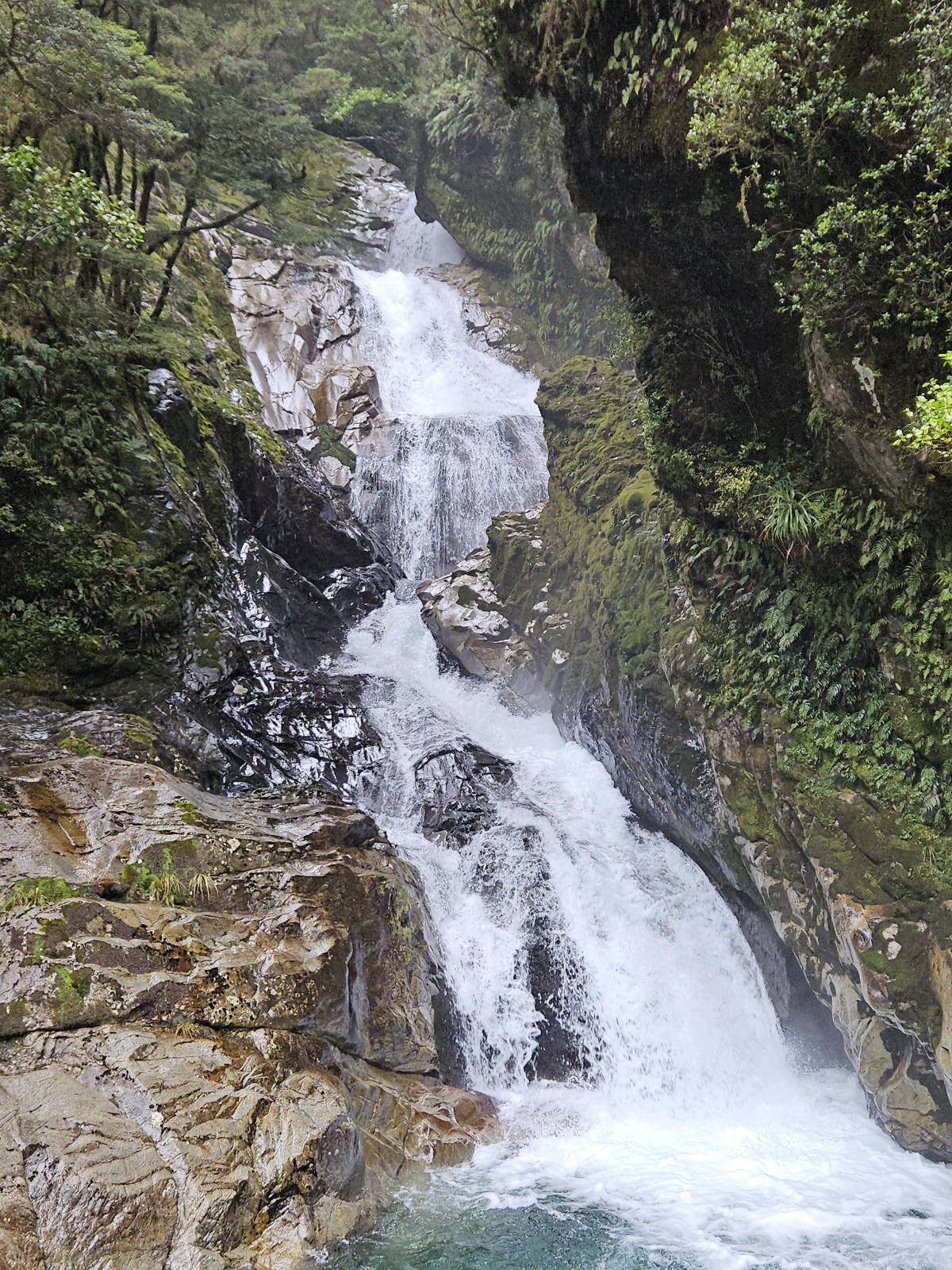
Then we went through the Homer Tunnel, which bores through the mountains before the final stretch of the trip. The tunnel is 1.2km and took 18 years to dig out due to the hardness of the granite. We emerged to breathtaking views, elevated further by the bus driver playing the Jurassic Park music through the speakers.
At the cruise terminal we were herded onto our boat along with the people from the other buses. We picked up the lunches we’d ordered and found a table as the boat pulled away and our cruise of the sound began.
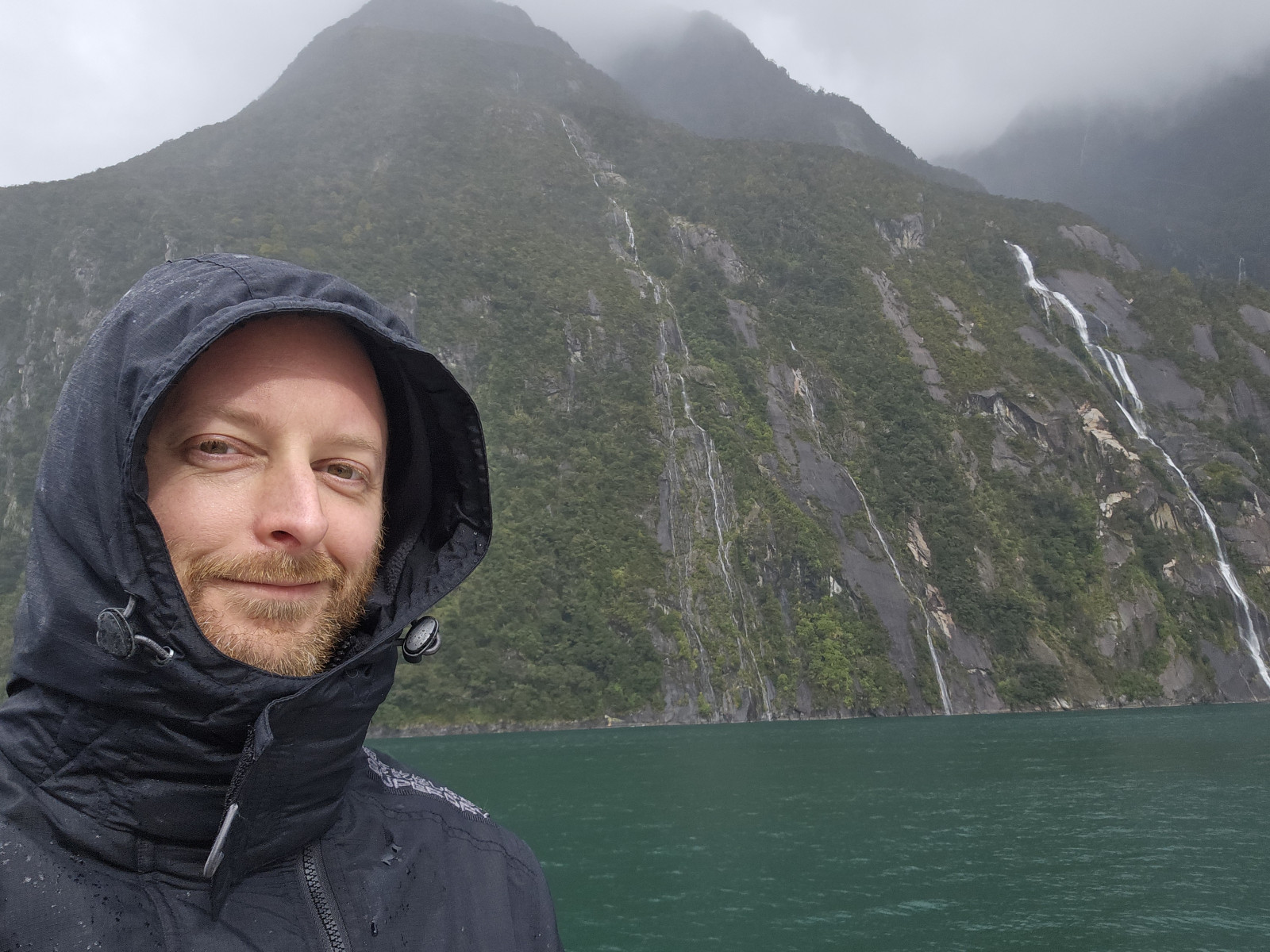
It rains a lot at Milford Sound - about 7000 mL annually - and today was no exception. Periodically the rain would stop or lighten and I would go up to the viewing deck to take in the views, until the rain got too heavy or my hands got too cold.
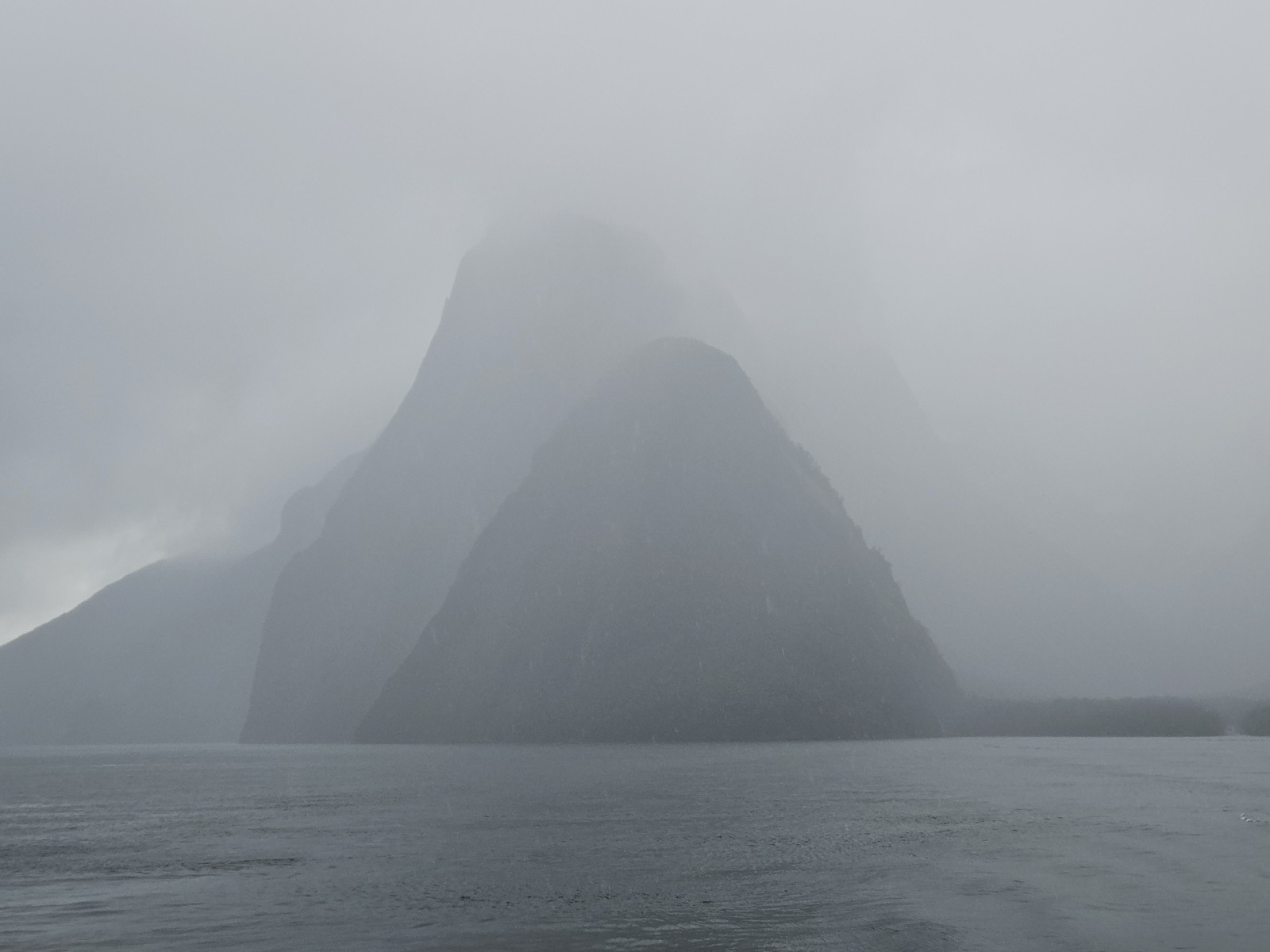
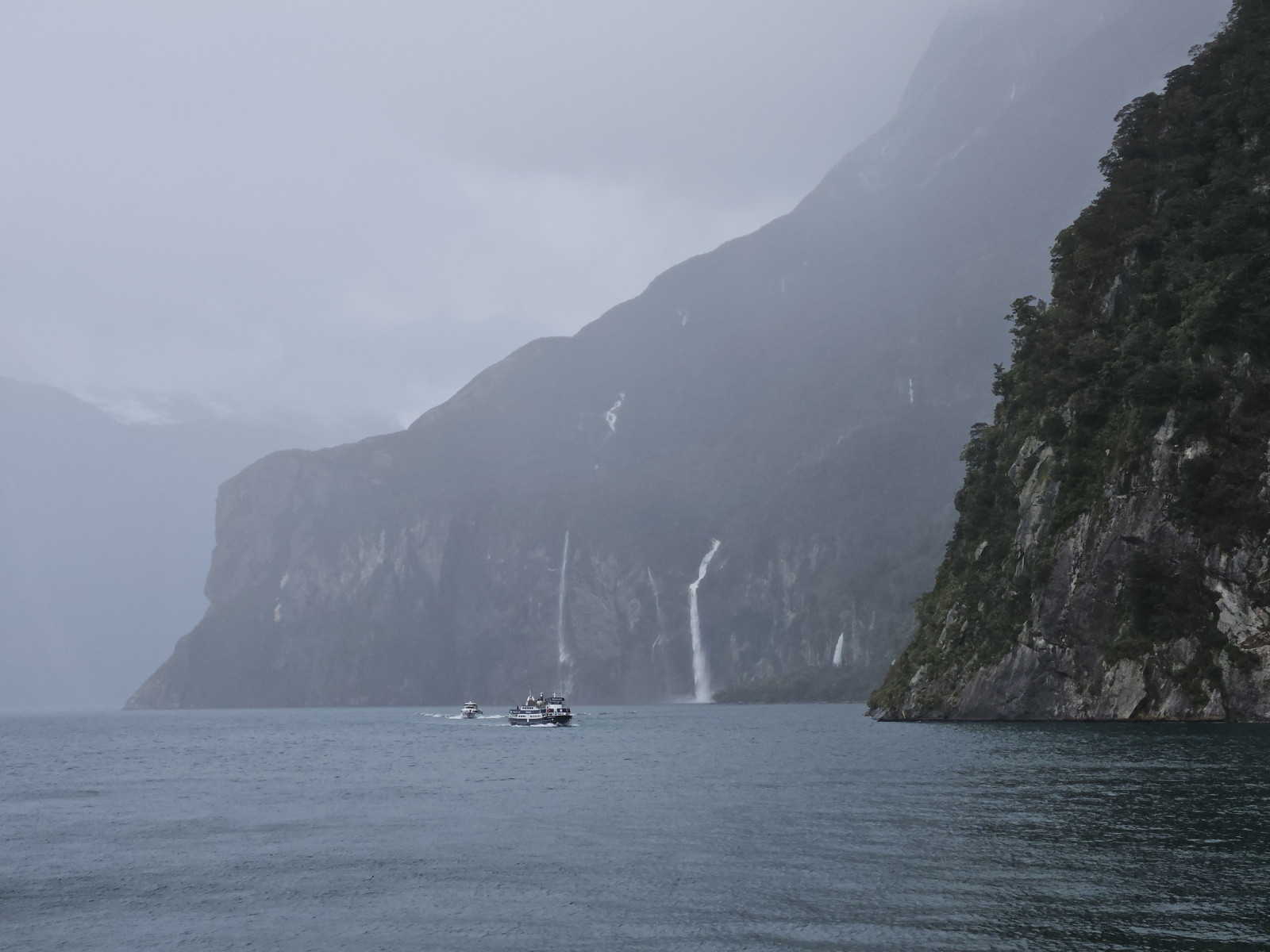
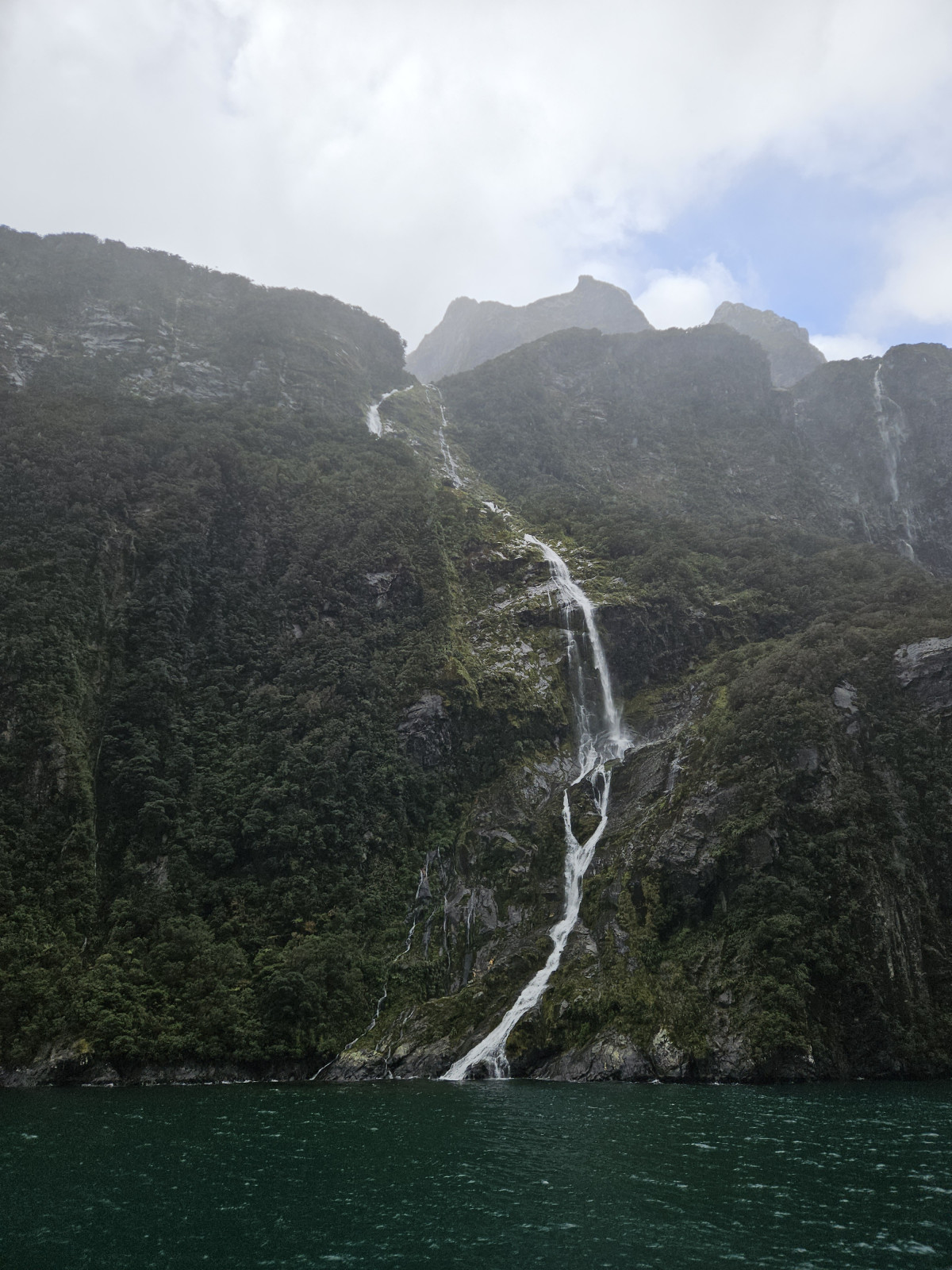
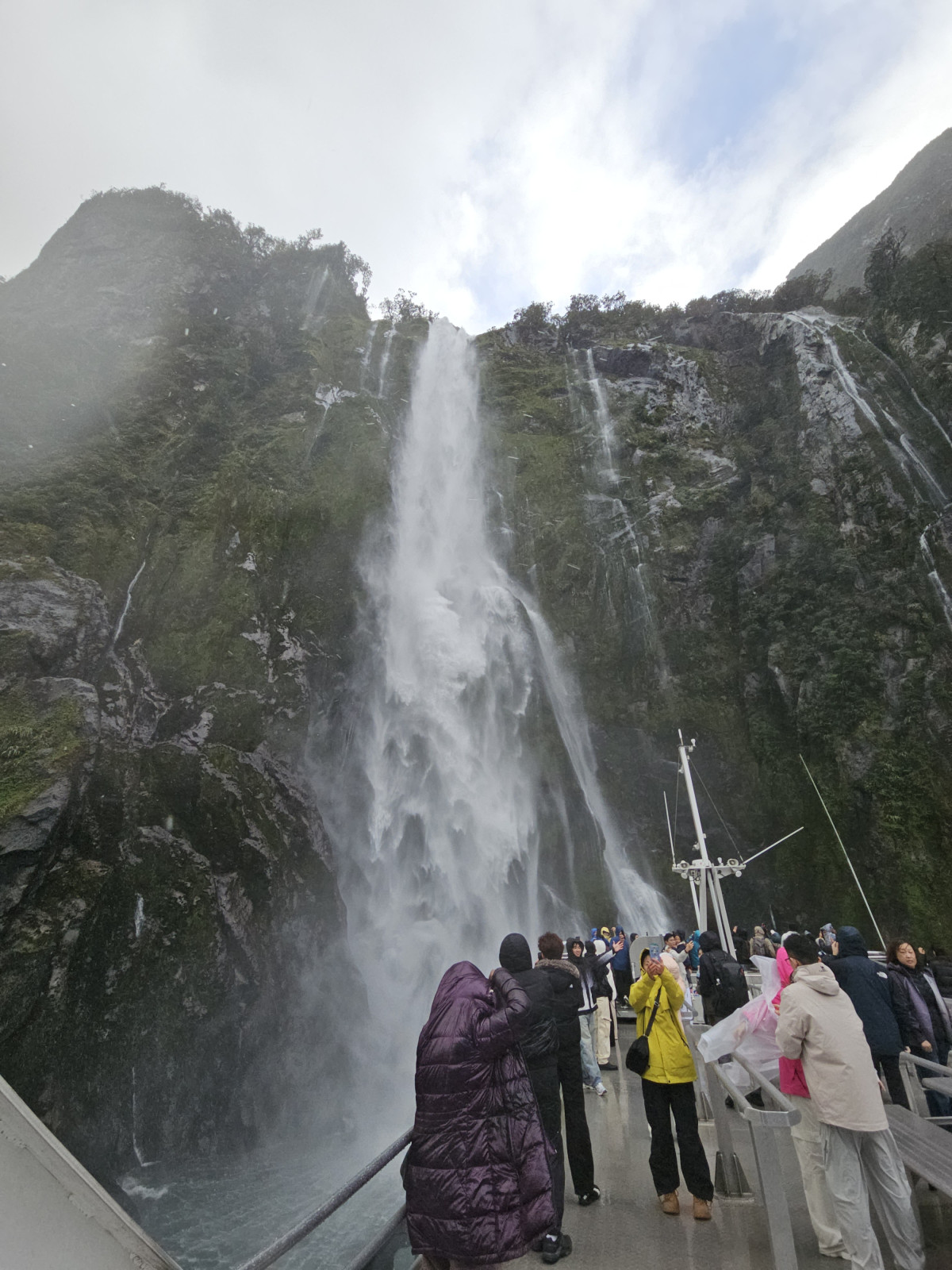
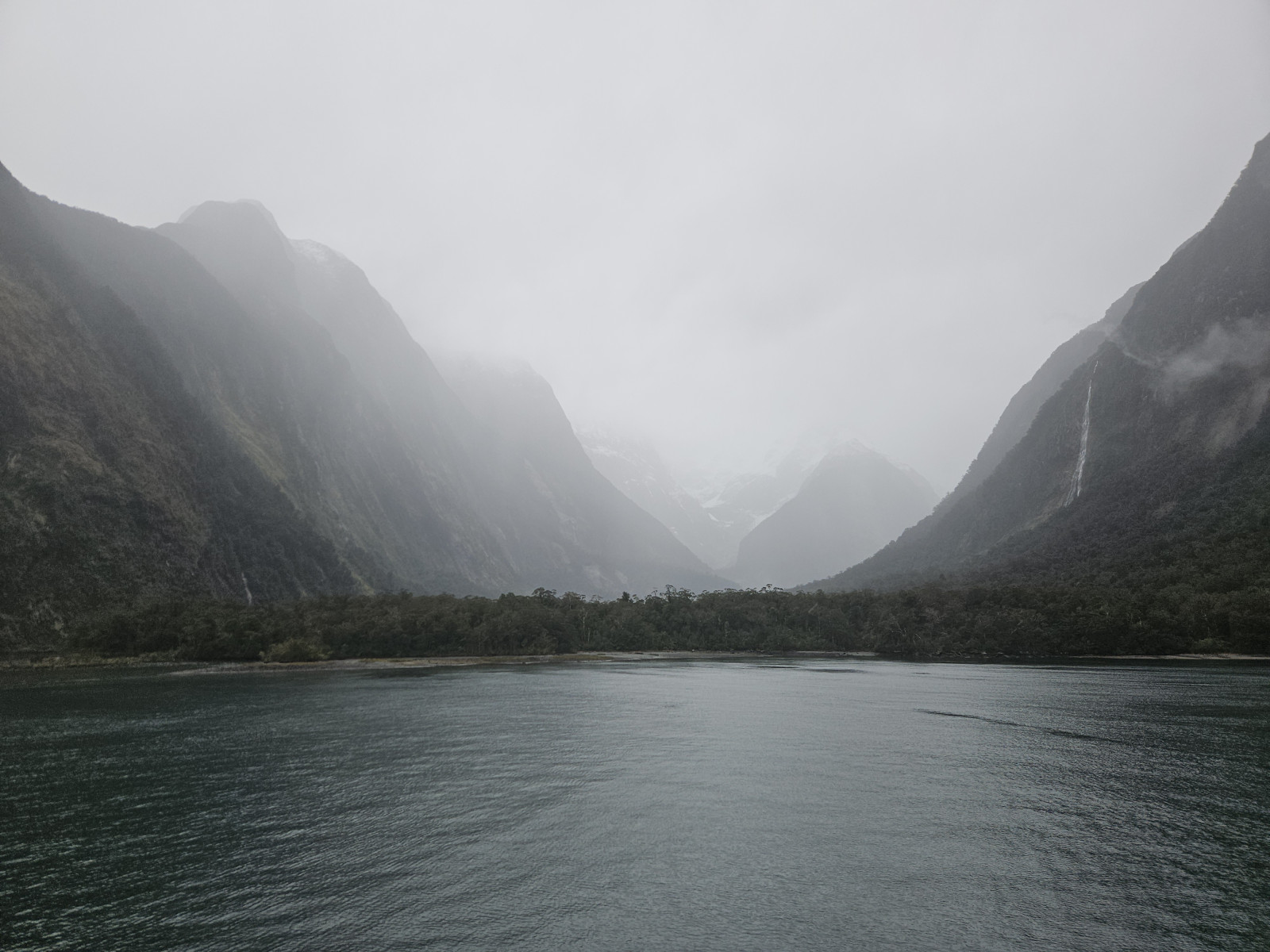
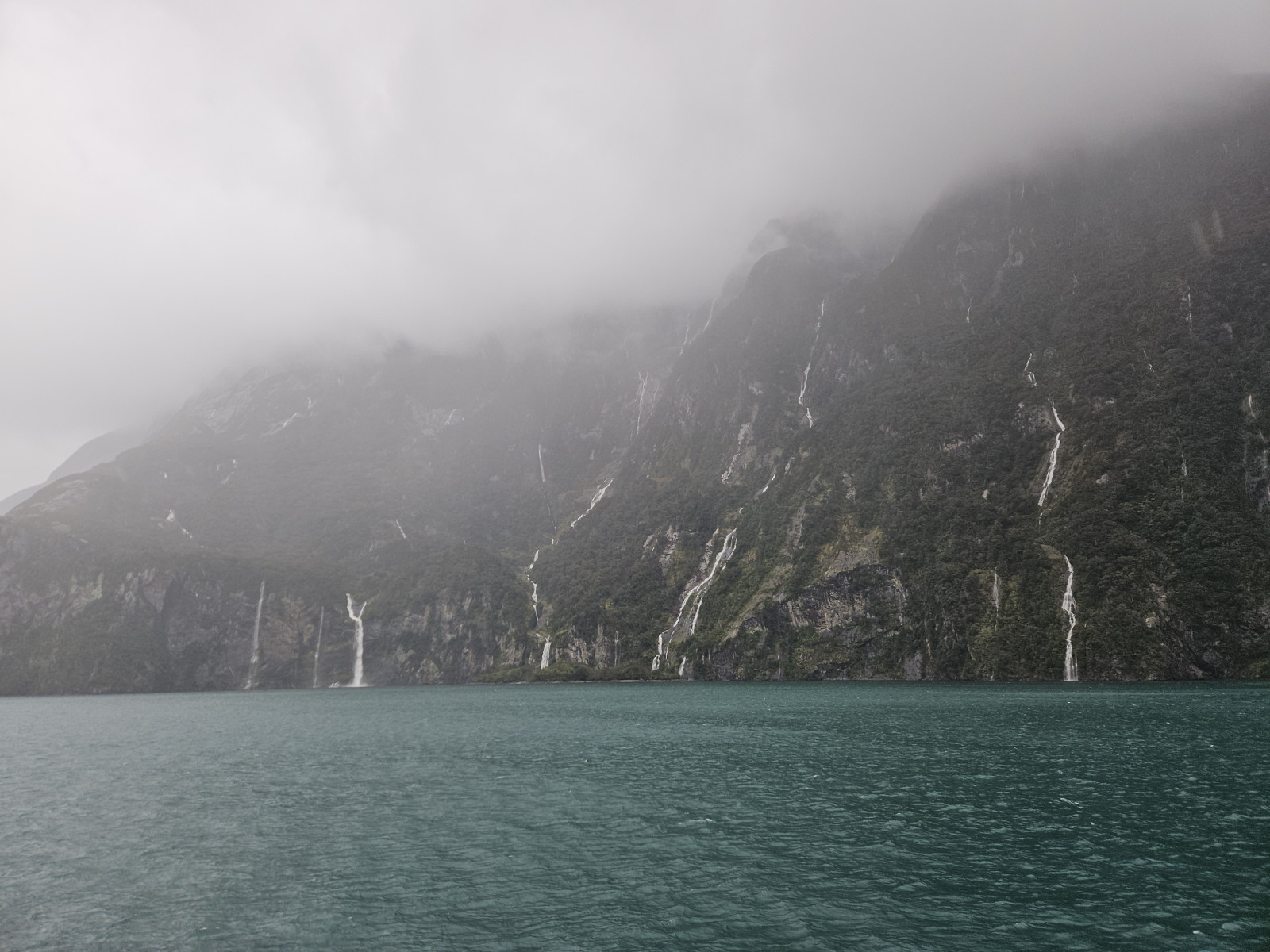
The boat navigated along the emerald waters, between sheer rock faces looking like someone took all the mountains we’d been through on the way there and just poured water in between them. Which I guess is more or less what nature did.
Mile-high waterfalls cascaded down the slopes. A pod of dolphins played in the water, while penguins swam nearby. The occasional fur seal lounged on the rocks. The number of selfies existing in the world climbed steadily higher.
Near the cruise terminal, another seal had climbed up onto a bench to have a nap. The captain also pointed out a freshwater crocodile somewhere, but I didn’t see it so it’s possible he was just making it up. Then we were back at the terminal, and it was time to disembark and leave this place.
On the bus back to Te Anau, we got to see the same sights as before but from the other direction and without commentary.
On returning to our motel, we put the kettle on to make tea. Ron ripped open the packet of a teabag, also tearing right through the teabag itself.
Day 6: Te Anau to Dunedin
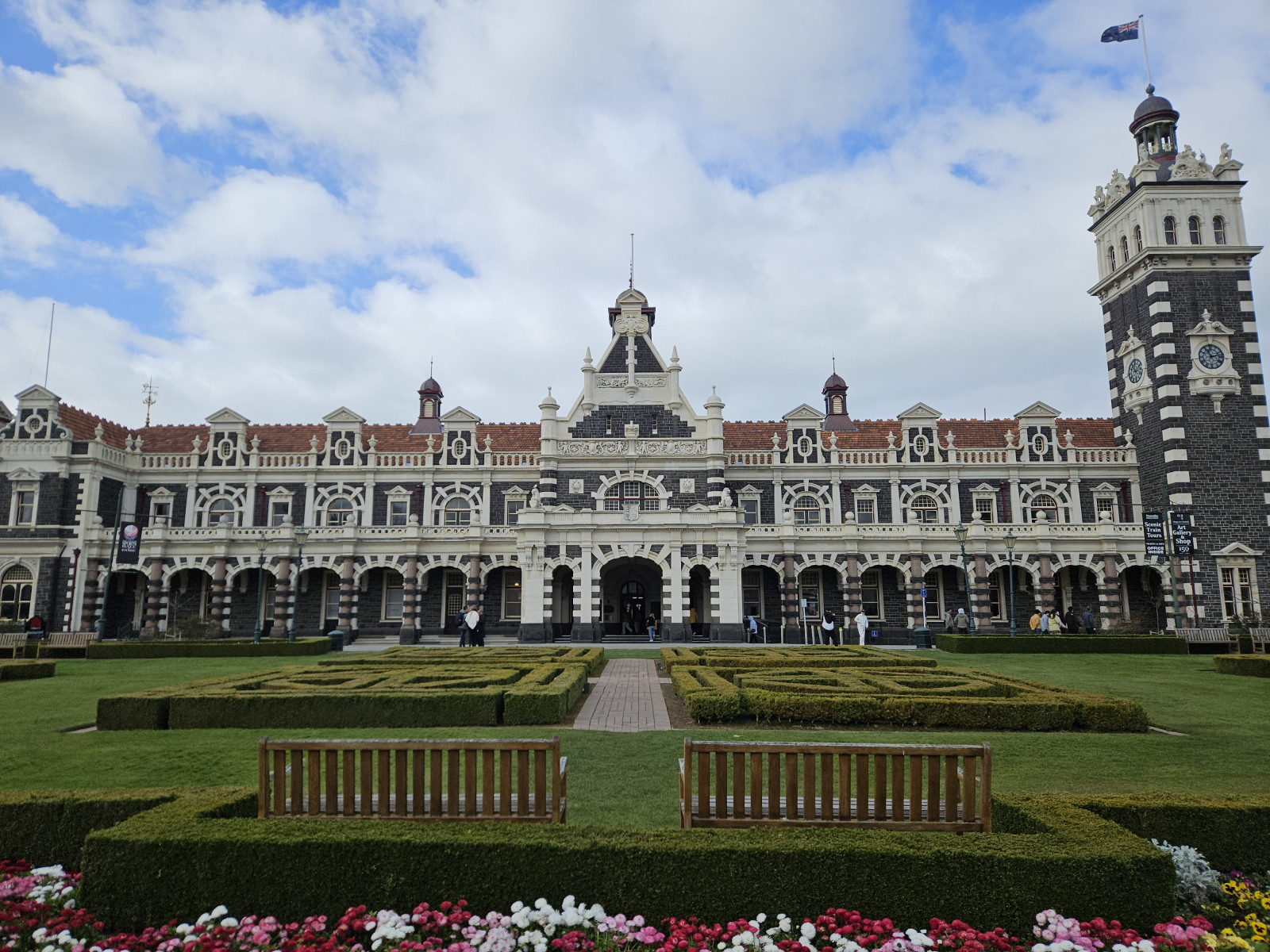
Today we drove the last leg of the trip, to Dunedin. The drive took a few hours. Along the way we stopped at the Croydon Aviation Heritage Centre, a small museum with a hangar full of vintage aircraft, ranging from WW2-era fighters to homemade microlight planes. They also had two “blue box” flight simulators, invented in 1929, meant to teach pilots how to fly only with instruments in case of poor visibility. In keeping with the theme of flight, the floor of the aircraft hangar was littered with thousands of dead flies.
In Dunedin, our first port of call was to pick up Ron’s bib for the half marathon he’s doing tomorrow. We had to go to a place called the Sargood Centre which is described in Google Maps as a “sports school”. I didn’t know there were schools where you can go to learn how to do sports. I thought it was the kind of thing you just learn by doing. But I guess the Kiwis do things differently.
The half marathon is sponsored by a brewery and also ends at that brewery. I guess they have a good idea of what people will be doing immediately after the race, which will probably more than pay for the sponsorship costs.
We checked into our hotel which is right in the thick of things. Then I had to get the car into the most cramped underground carpark I’ve ever seen.
When we’d picked up the rental car in Christchurch, the guy at the car rental desk had tried to talk us into going for a bigger car, which I firmly declined. I wanted a small car. He then said he’d give us the “biggest car in the category”, which was a small SUV. A bigger car would obviously be more lucrative for the rental company, but this guy seemed to have a personal interest in the matter, as if his pride hinged on what size vehicle we accepted. As I carefully piloted our car down the narrow ramp and between the support pillars of the poky little parking cave, I was glad to have foiled his obscure schemes.
After some rest we went out and see a bit of Dunedin. A local shoegaze band was having a launch party for their new single at a bar near the hotel, so we went along. There were a few support acts, but they never announced which band was playing at any given time so we have no idea which of them was the headline act. But it was a good time anyway.
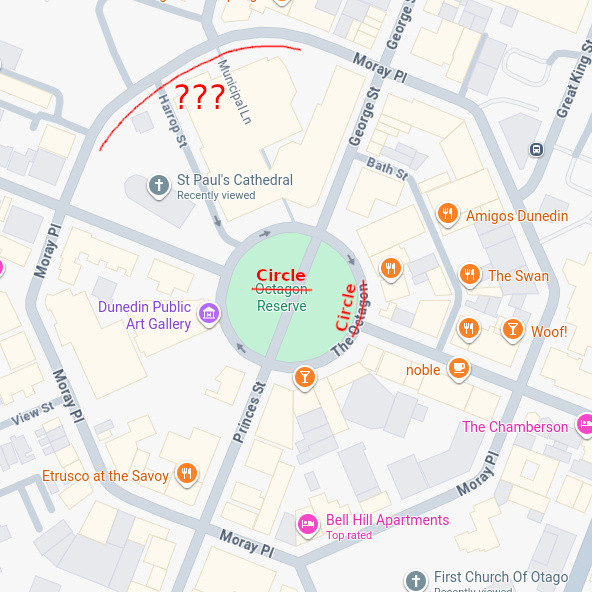
After that we got gelato and walked around the Octagon, a focal point of the city. The Octagon is made up of commercial buildings, the town hall, and a cathedral, which come together in an octagonal shape. Between the buildings is a road, also called the Octagon.
The road is circular.
Day 7: Dunedin and the Otago Peninsula
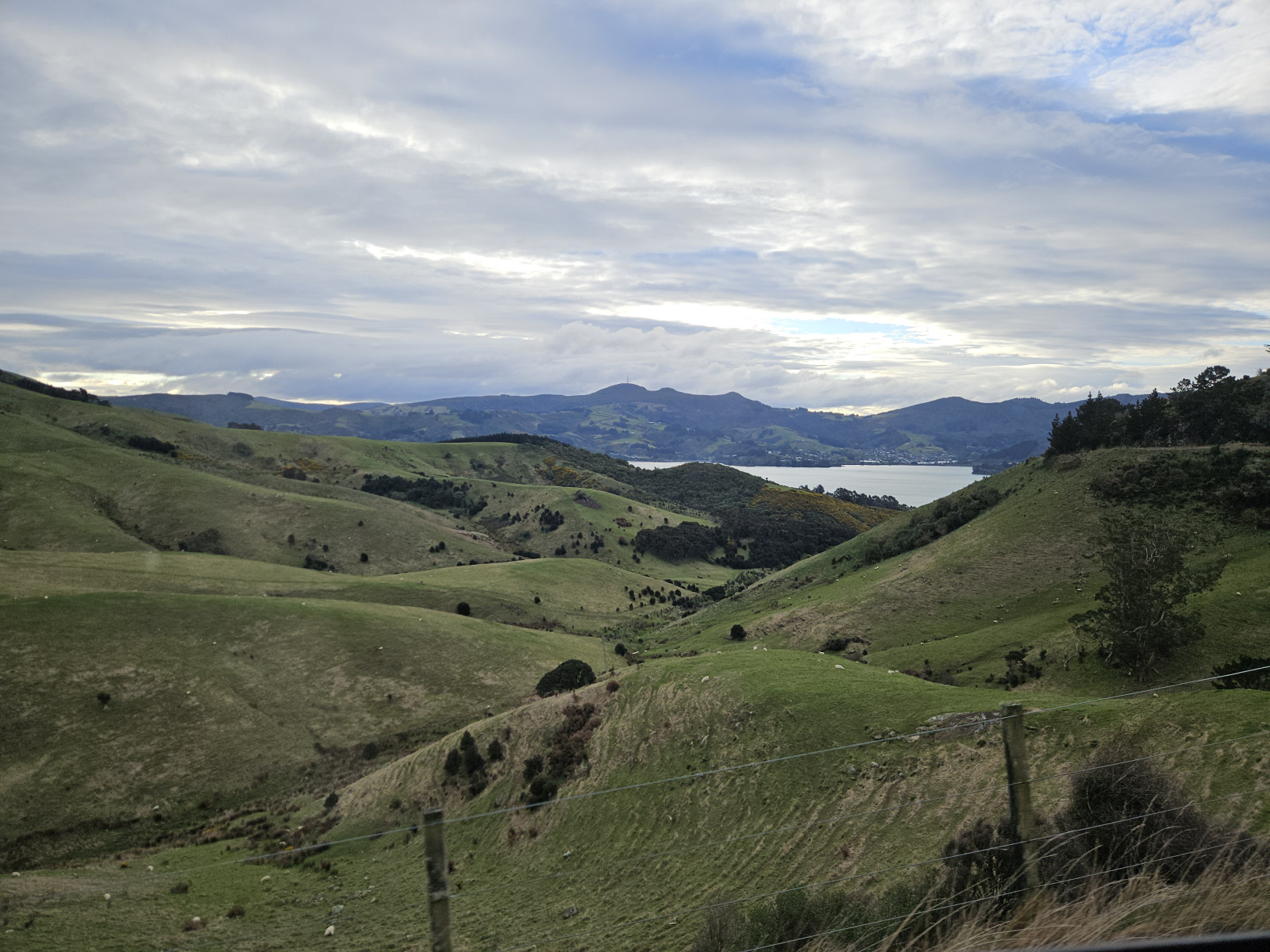
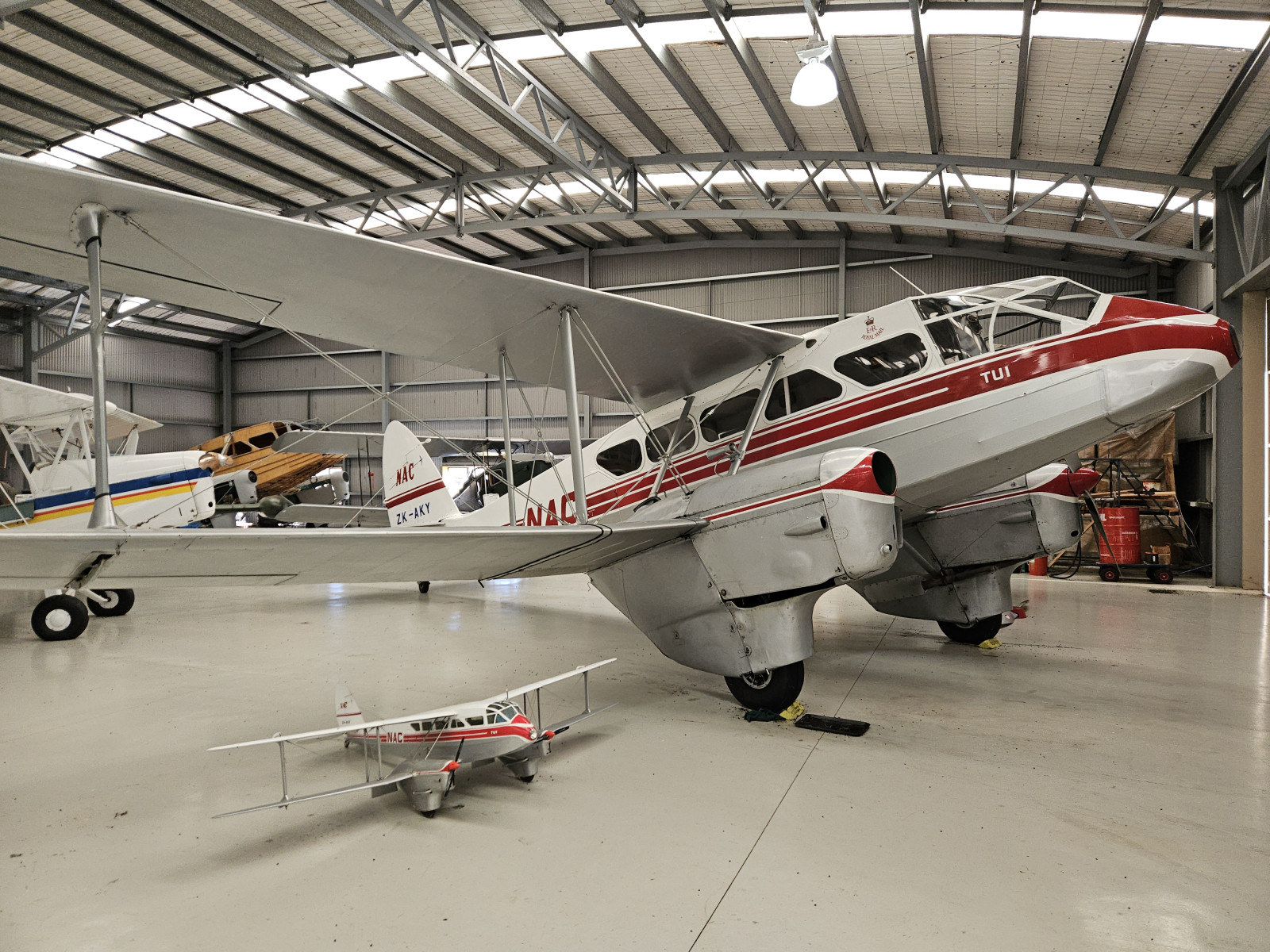
Today was the last proper day of the trip, and we made the most of it. Ron started the day with his half-marathon along the Dunedin waterfront, while I showed my support by sleeping in. Then I went for a walk to look at the many nice buildings in the city including the famous Dunedin railway station.
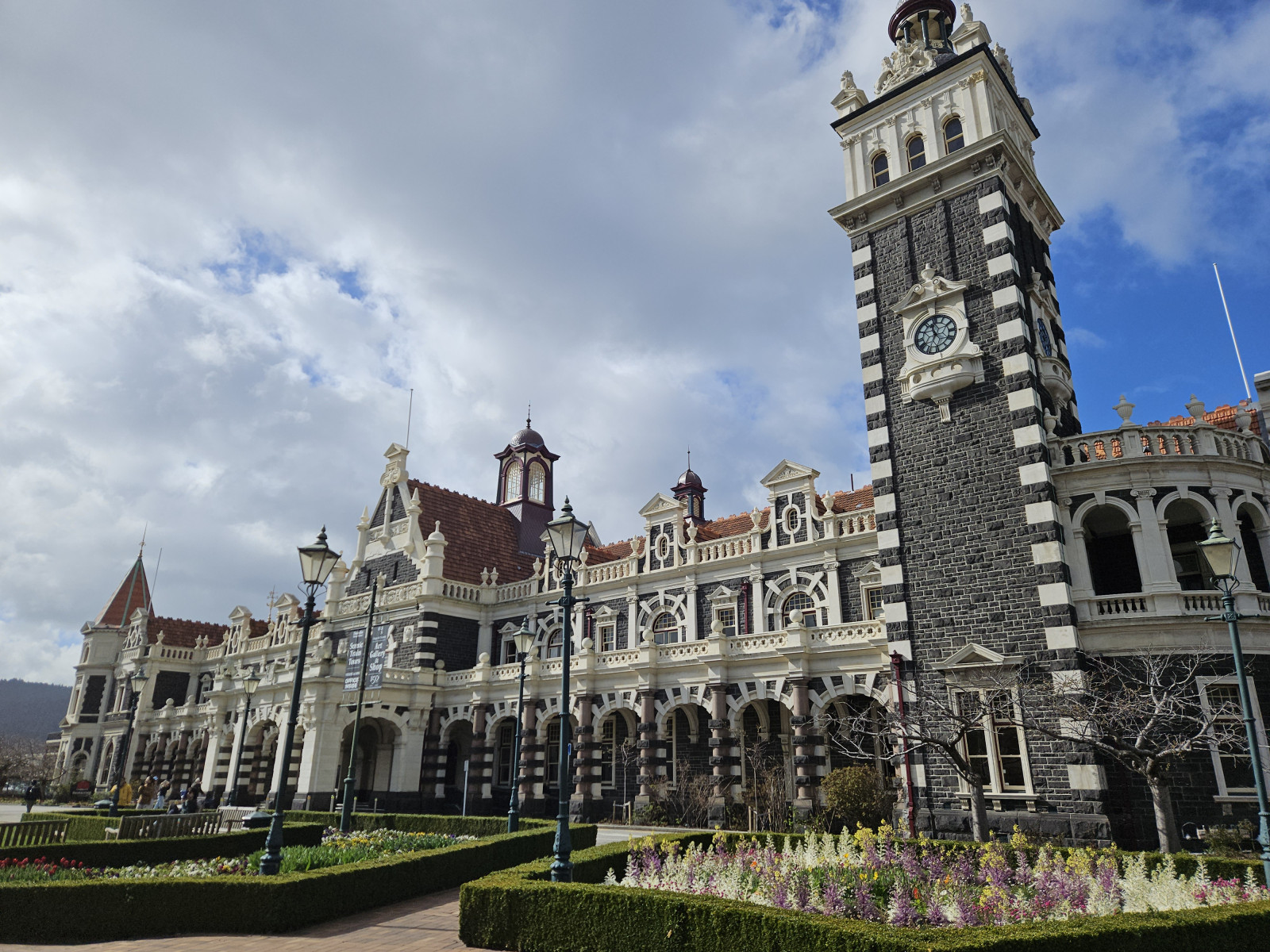
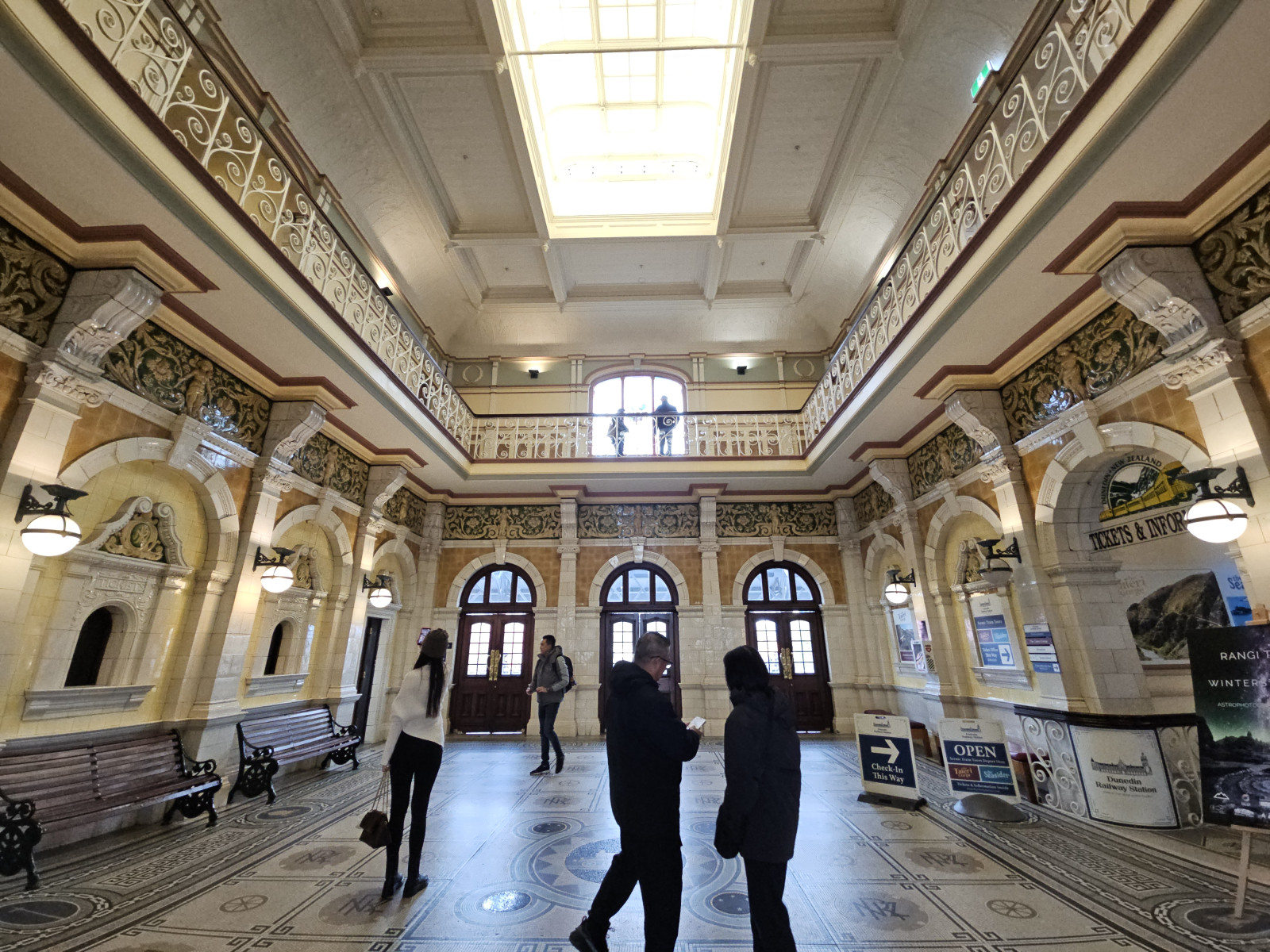
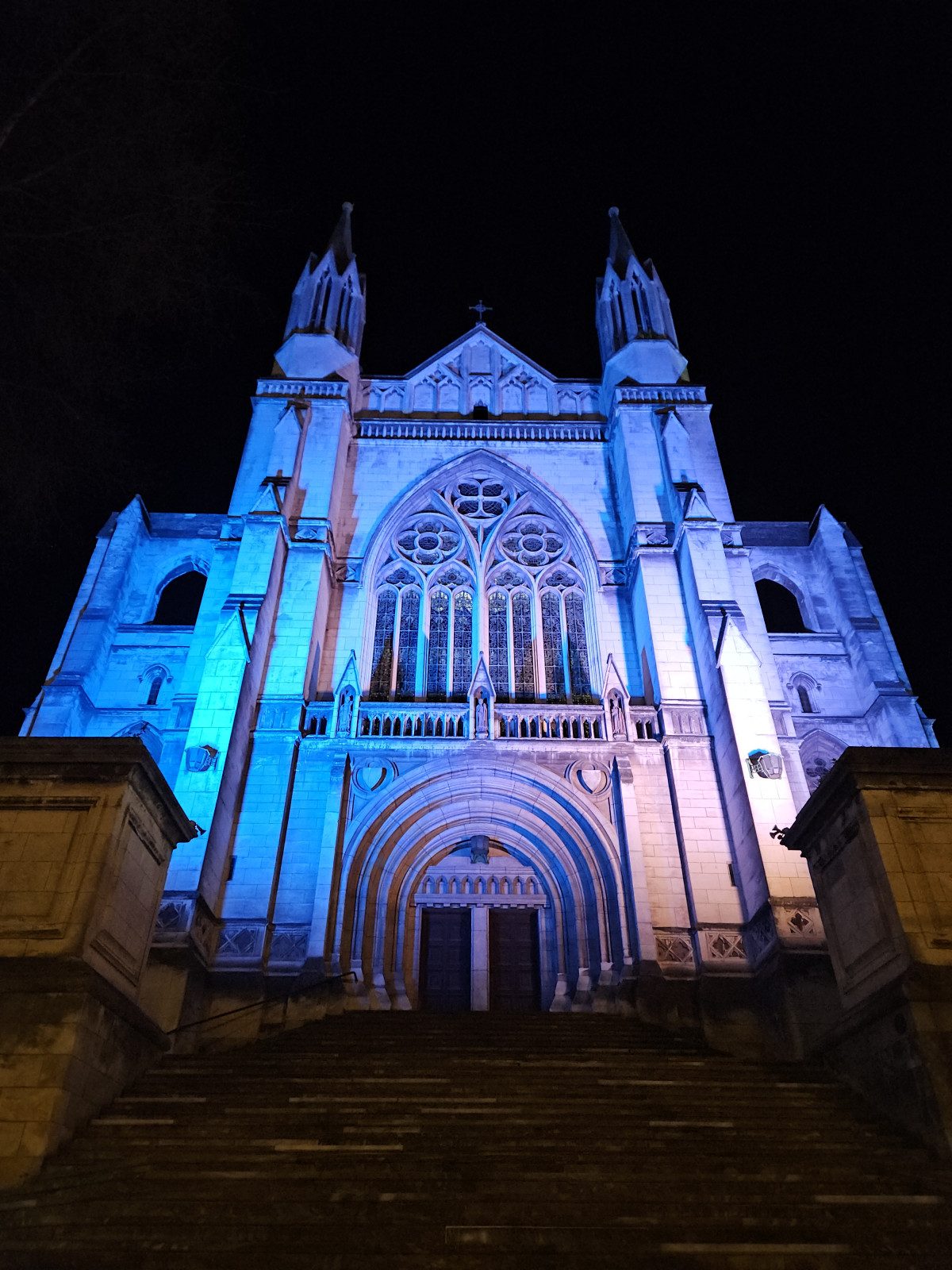
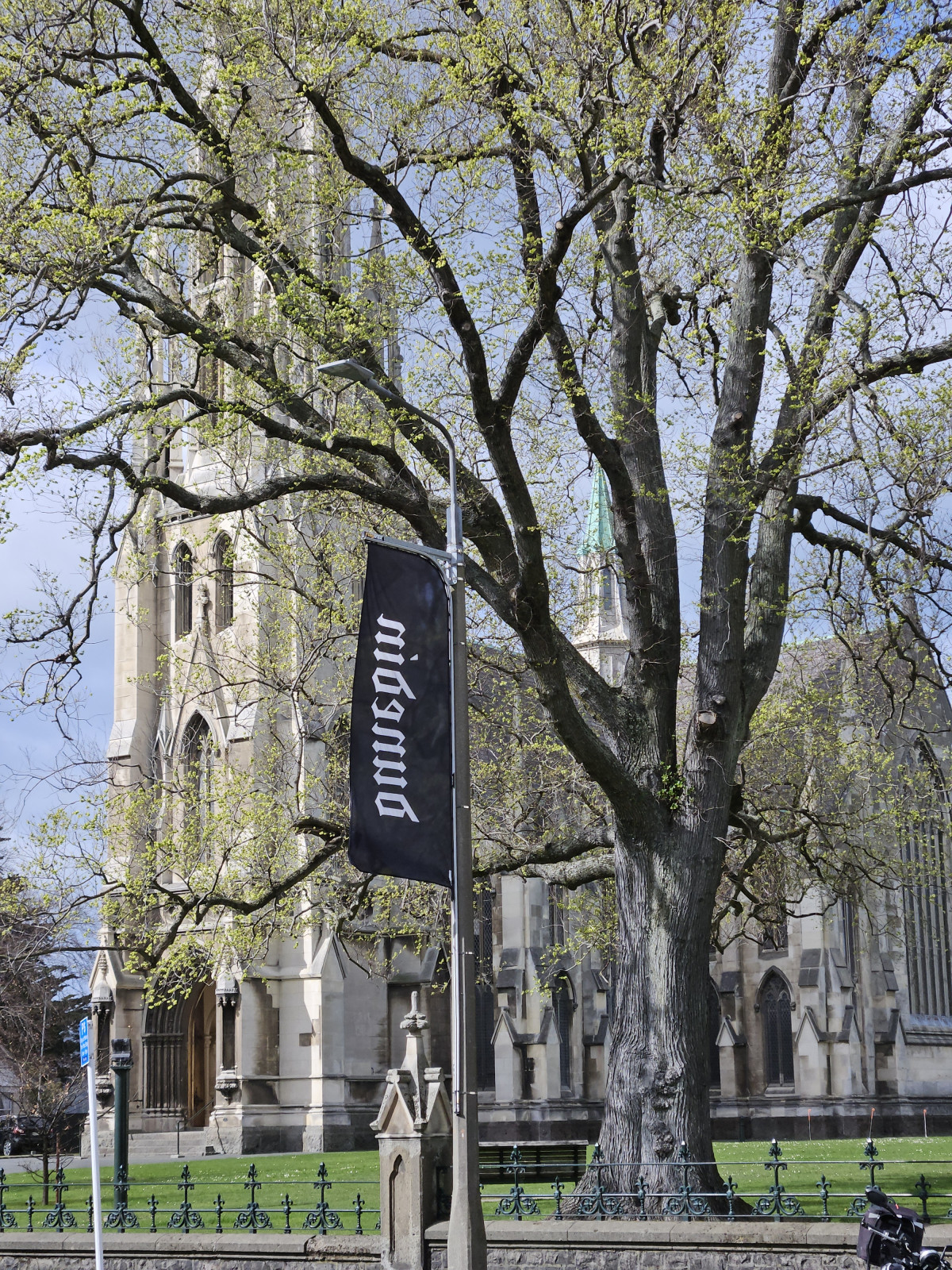
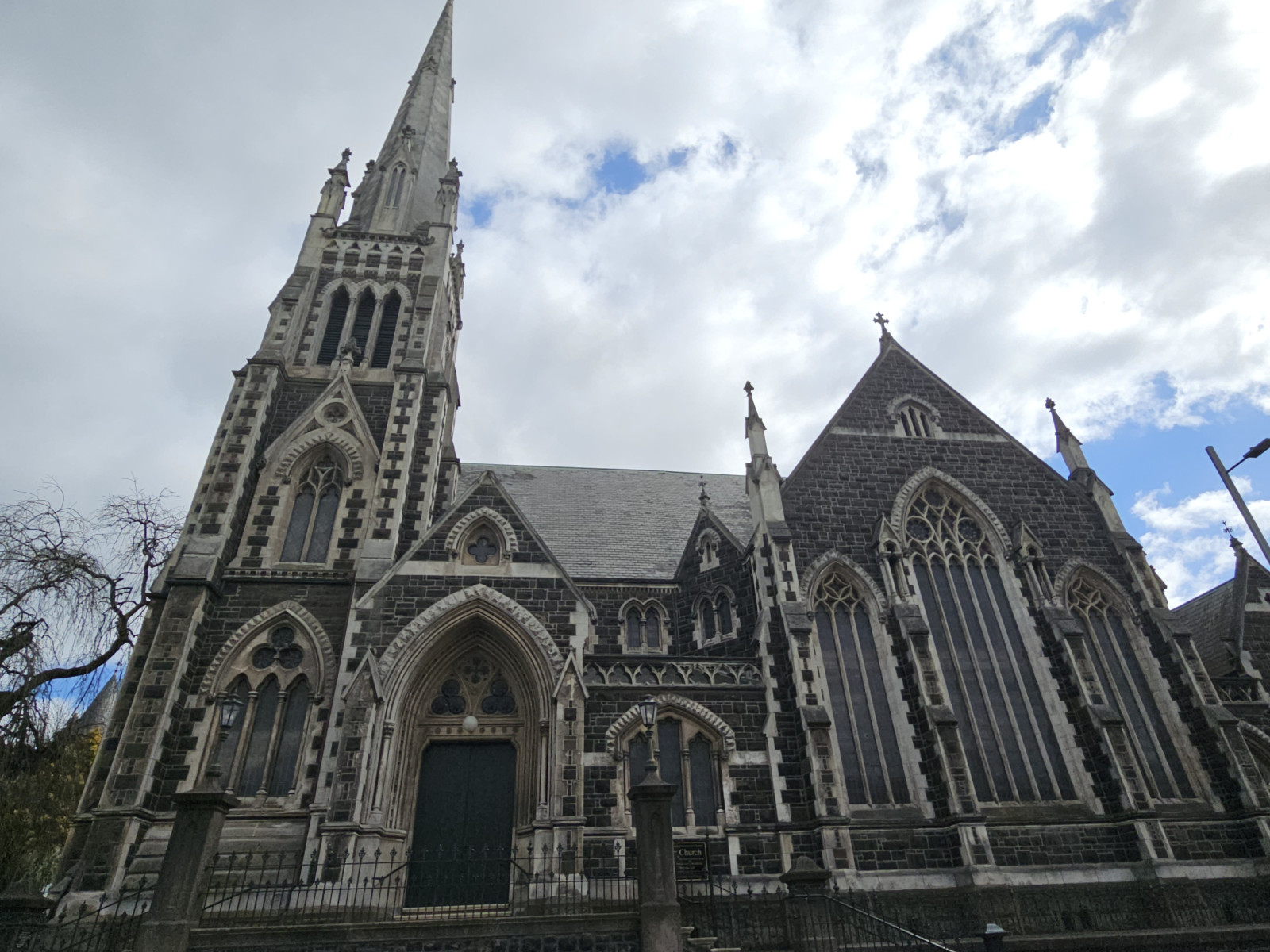
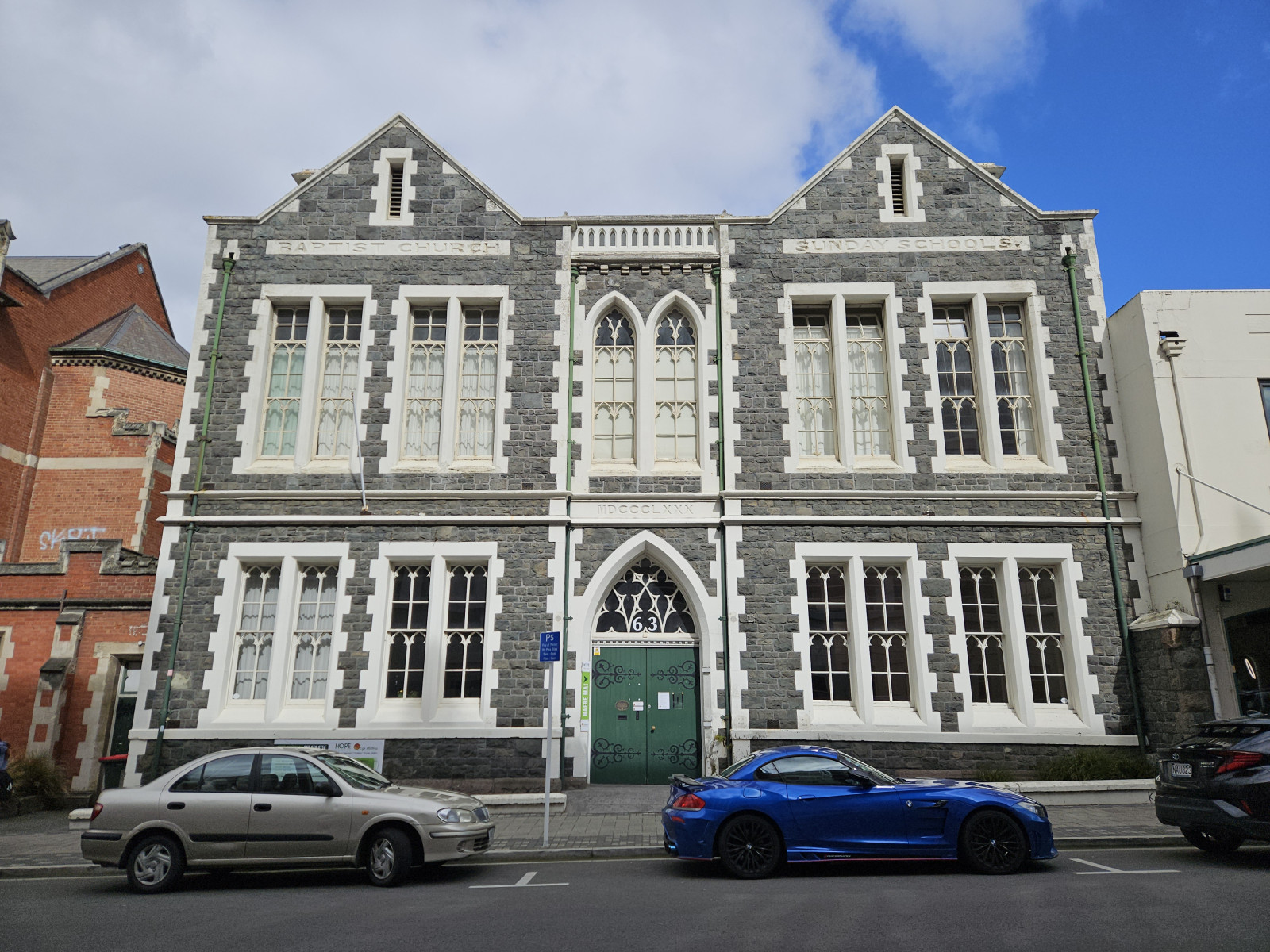
There are a lot of brick buildings here that have New York-style metal fire escapes bolted to the outside, seemingly added later as if they only remembered fires could happen after they already built the buildings.
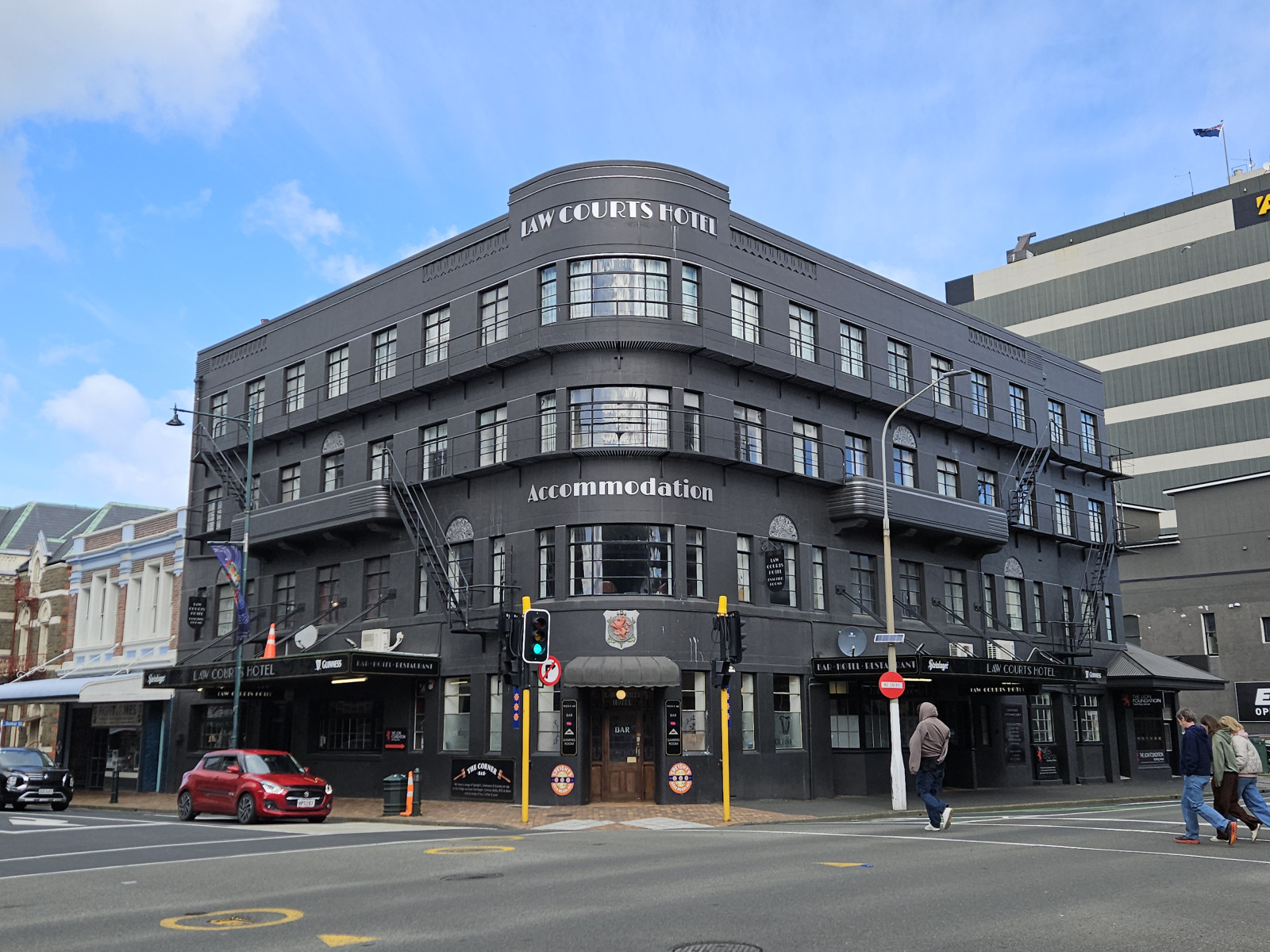
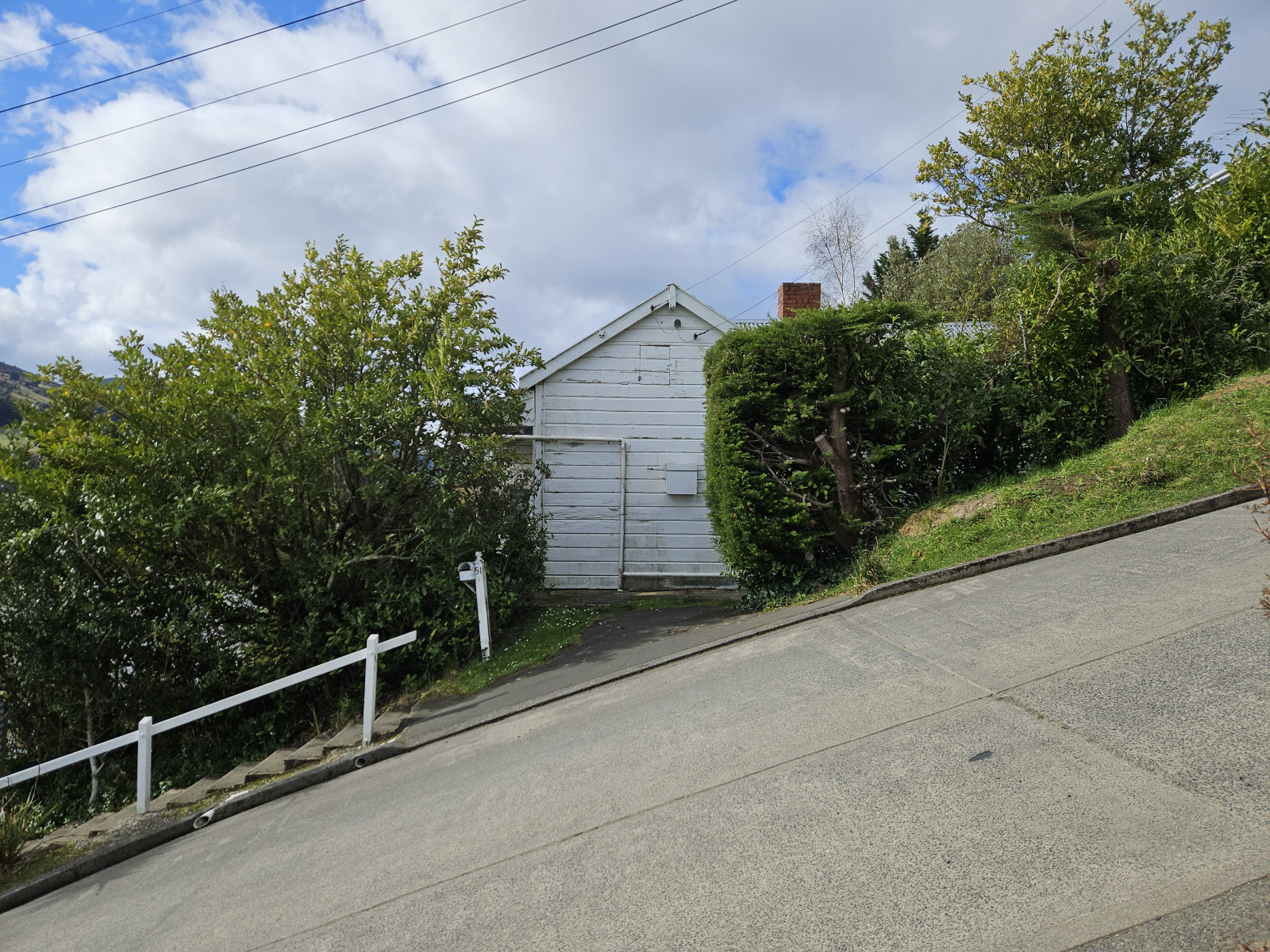
I met up again with Ron to get bagels for lunch, then decided that the perfect restful post-race activity would be to walk up Baldwin Street, the steepest street in the world. After that we stopped by the botanic gardens which also has aviaries with various parrots and lorikeets.
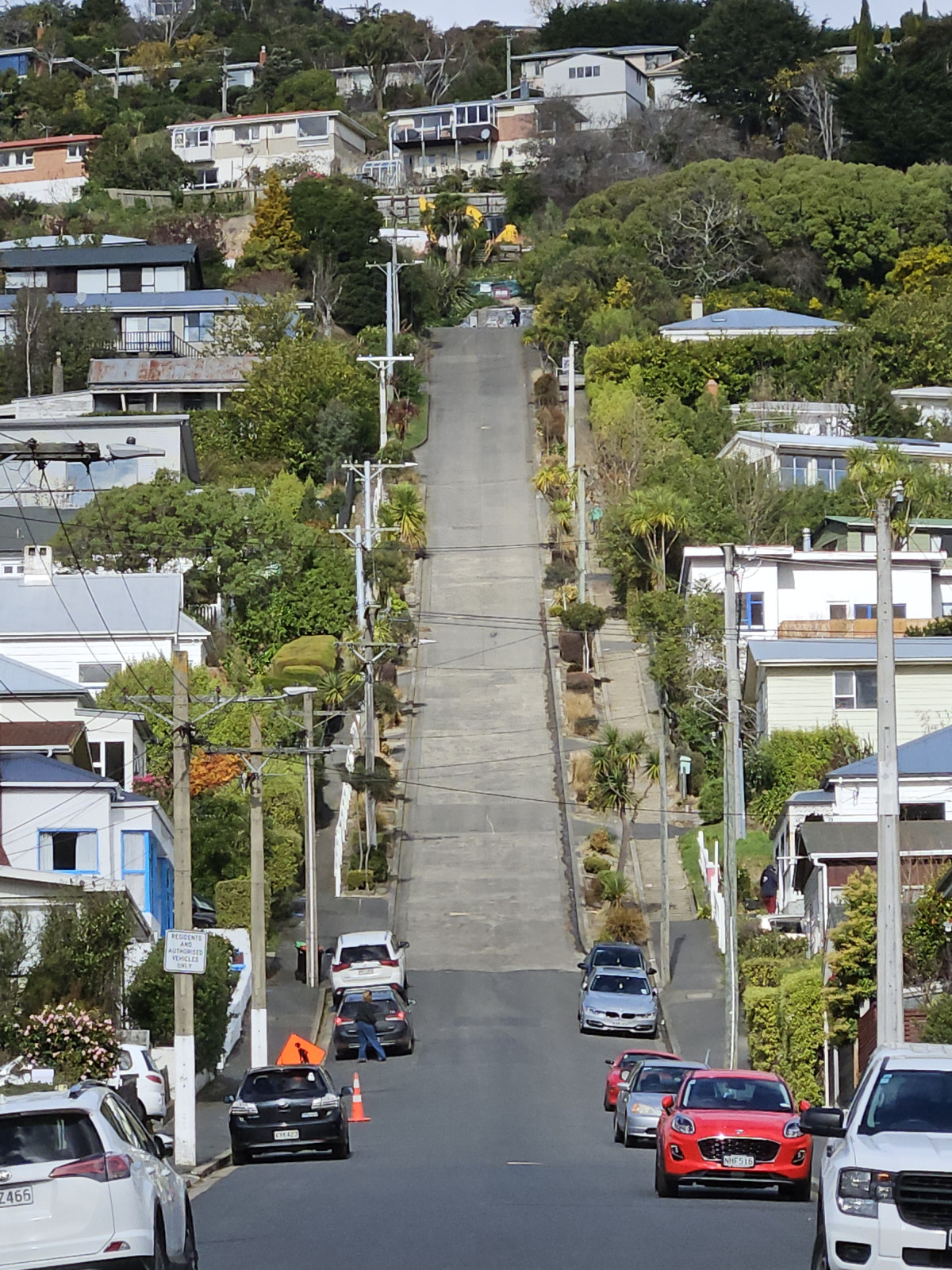
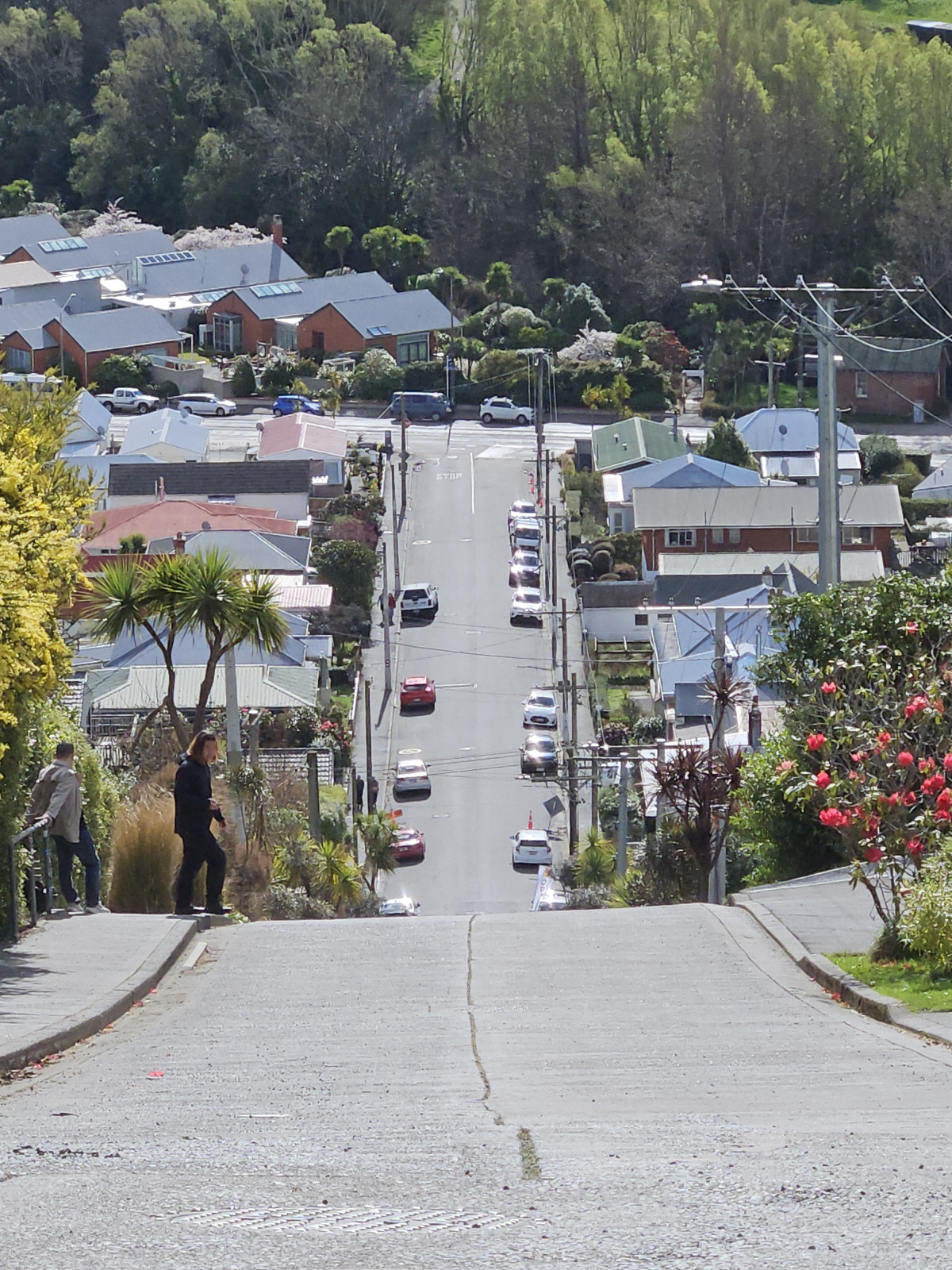
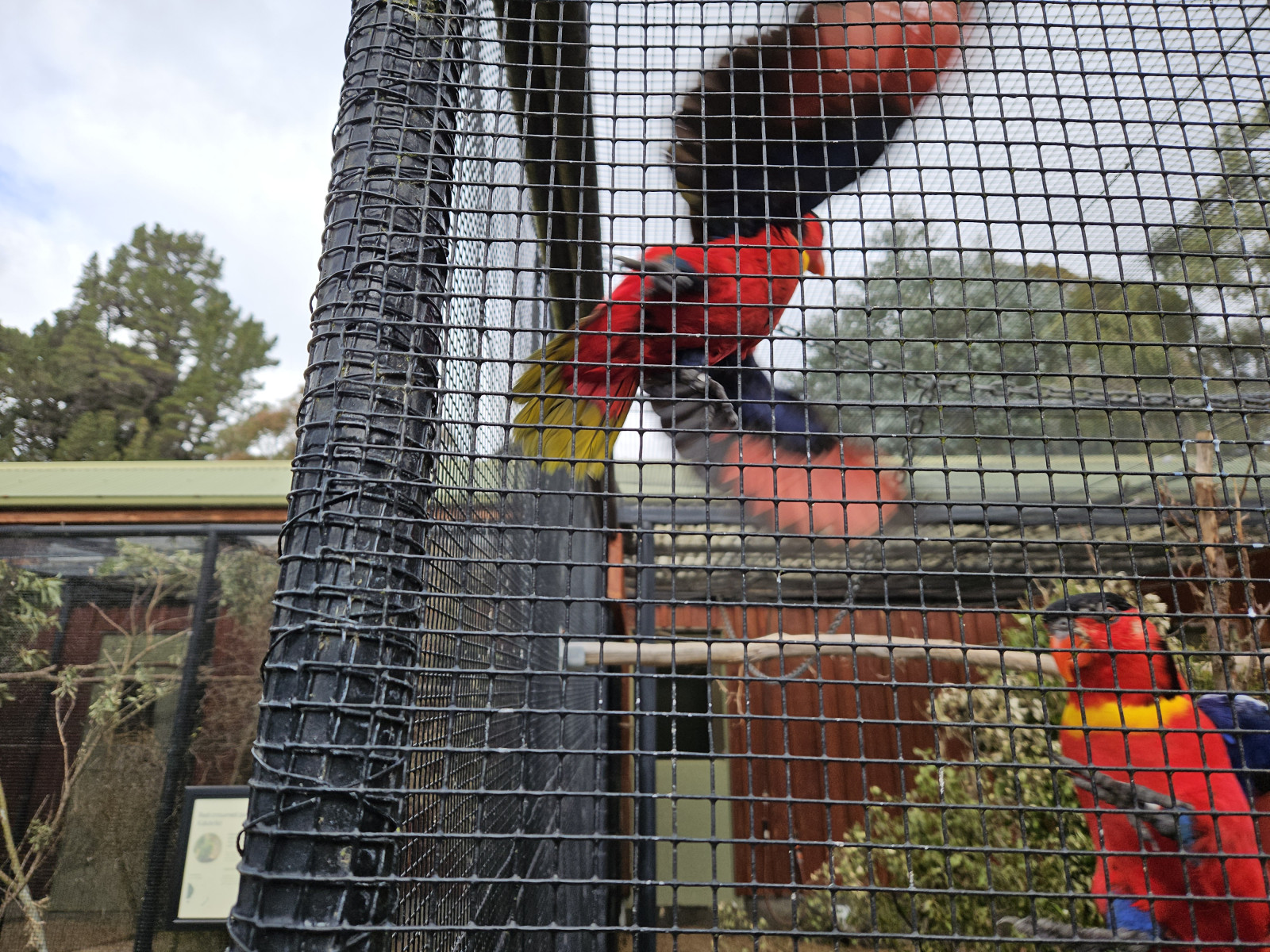
Then it was time to drive out to the Otago Peninsula for the main event of the day (at least for me): seeing the Little Blue Penguins. There’s a beach out on the peninsula, where each day after sunset upwards of 100 penguins come back from a long day of hunting fish. They walk across the beach to their nesting area, then stop to preen, feed their young, and socialise.
The viewing experience starts at the Royal Albatross Centre, down the end of the peninsula. We went via Highcliff Road, a narrow and winding road that runs along the cliffs of huge hills covered in sheep grazing land. The road offers amazing views, as well as amazing potential to plummet down a hillside to certain death. I loved it.
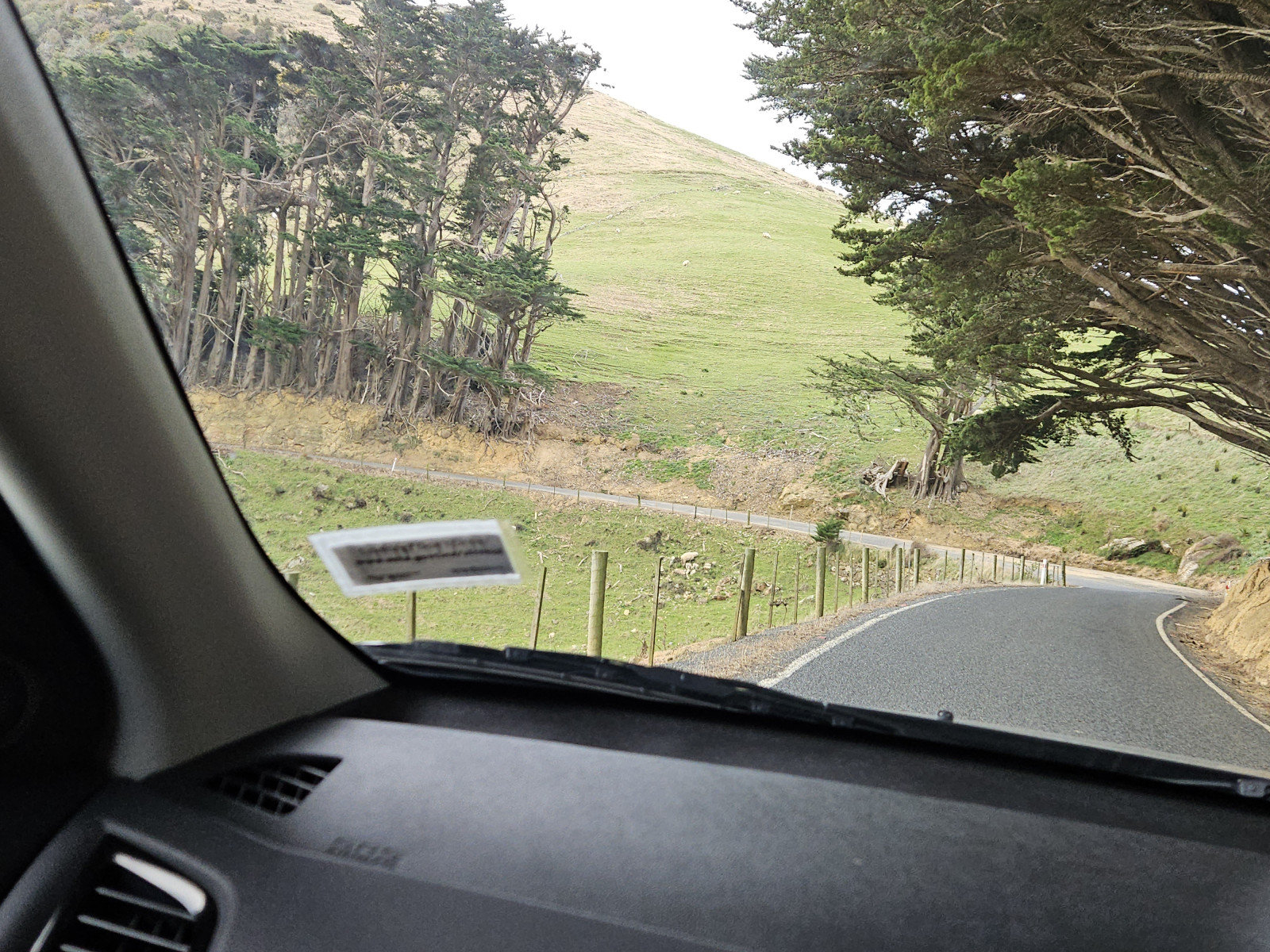
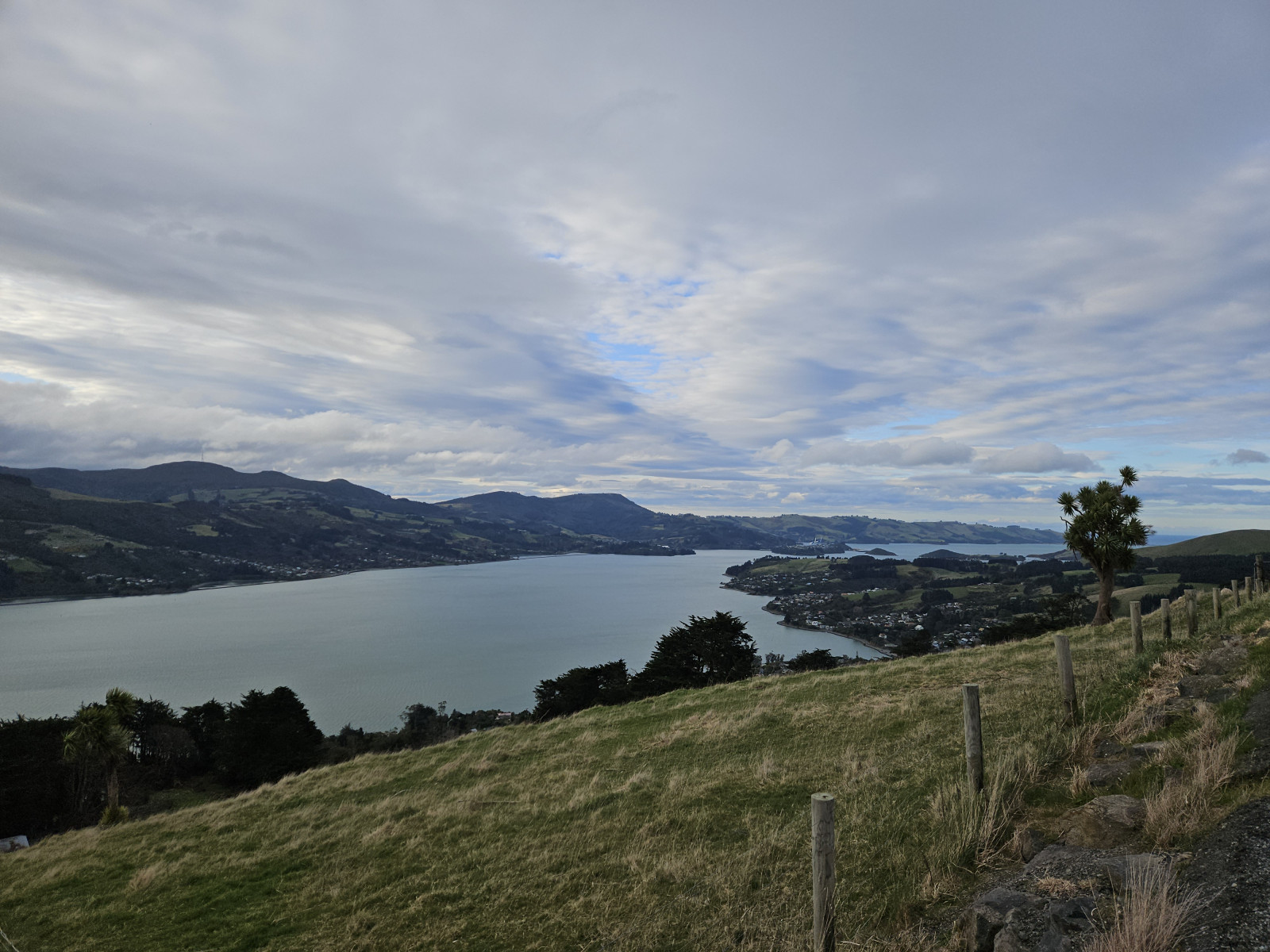
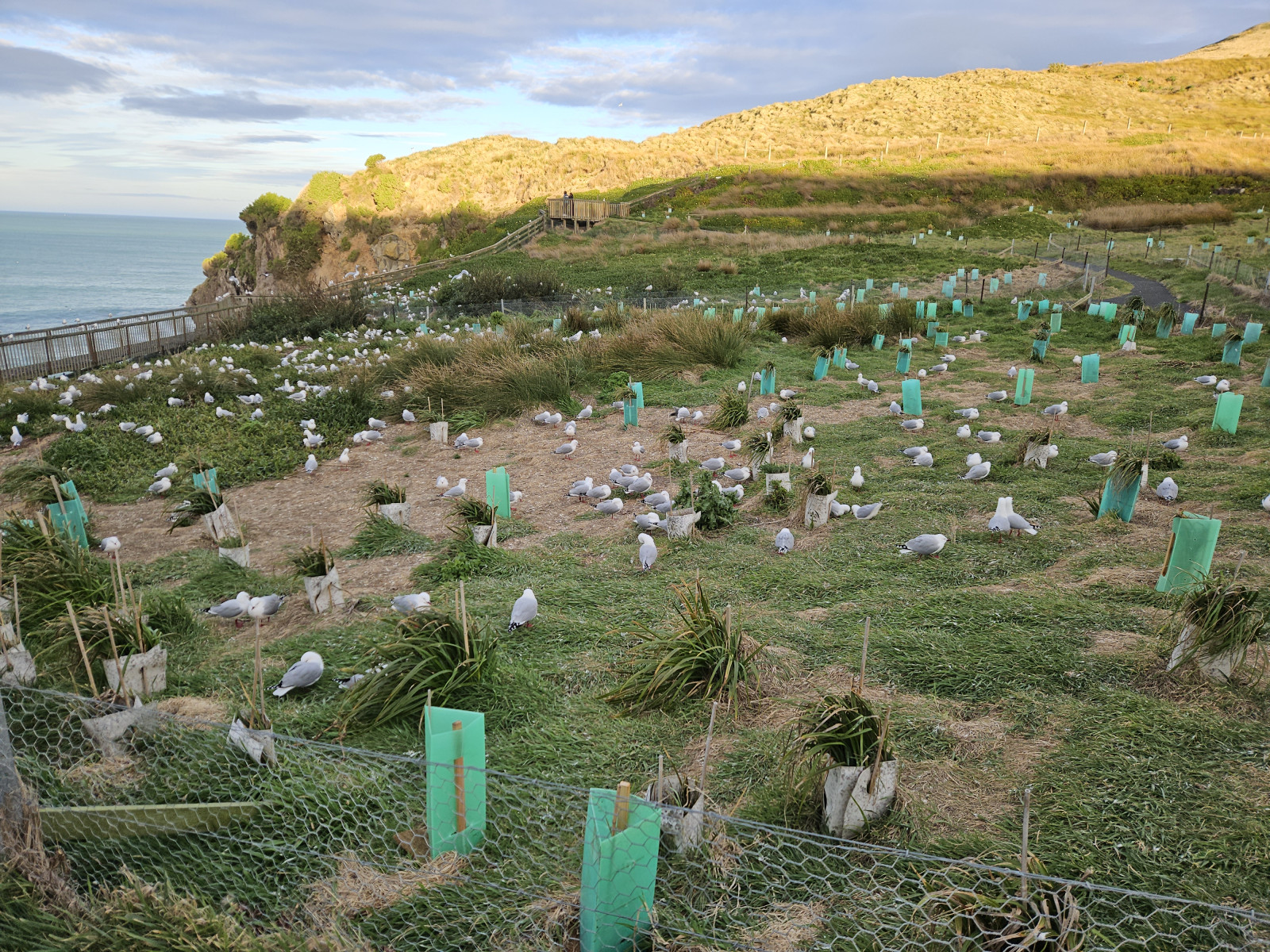
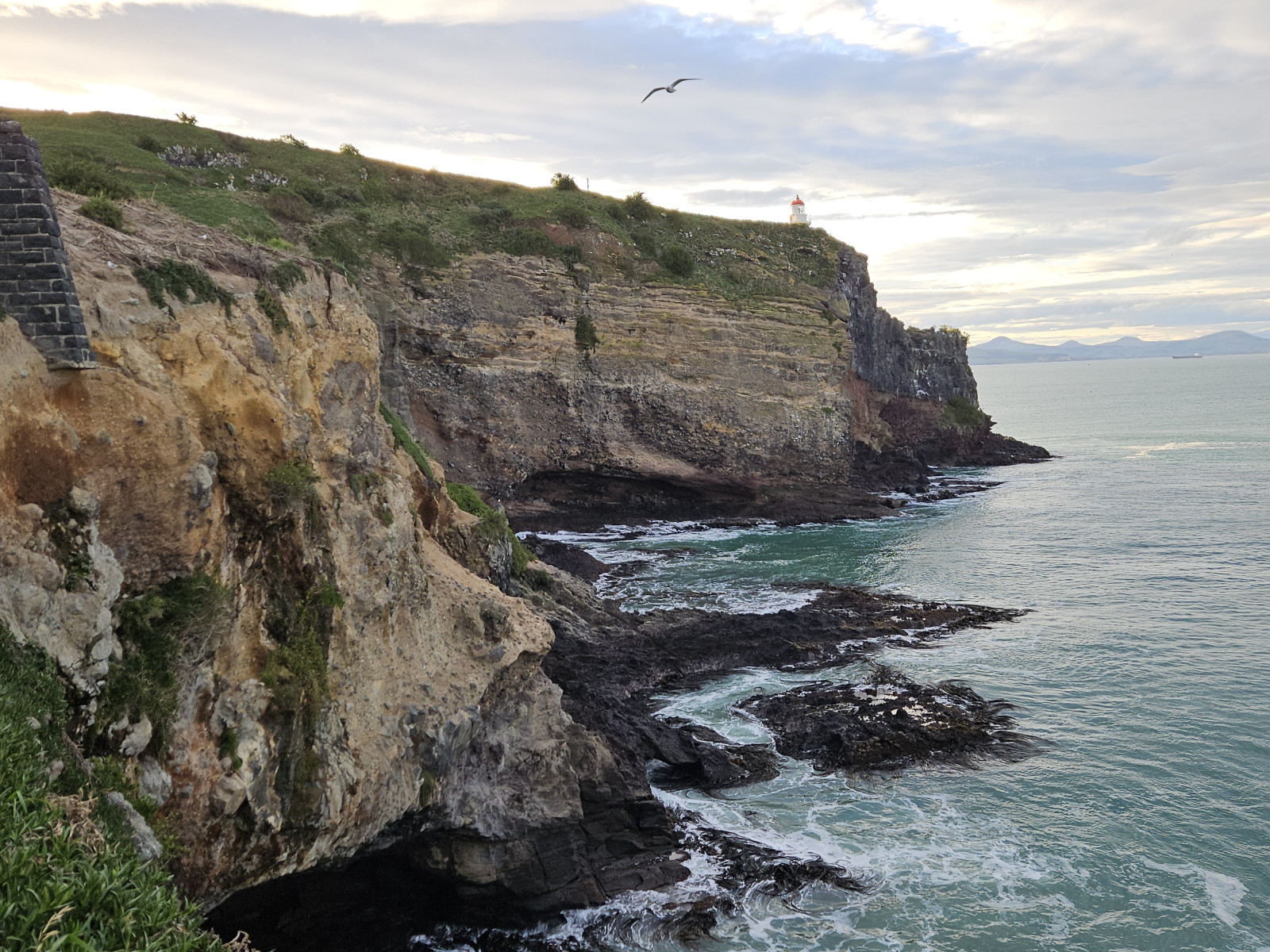
There was a group of maybe 25 people for the penguin-watching. The staff that run it led us all down from the Albatross Centre to a platform by a beach, which also had a little coffee cart so we could stay warm while we waited around in the icy wind[4]. For a while there was no sign of any penguins, and I started wondering if I’d have to press them on the money-back guarantee if no penguins turn up.
Then a shadow in the water approached, which became a commotion of splashing, and a group of 50-odd Little Blue Penguins emerged onto the sand. They ran across the beach and began waddling up the hill, splitting of into a few different gangs. Some went off to places out of view, some went under the platform, while some obligingly stood out in the light. Then they just hung out, using their beaks to smooth out their feathers and spread oil from a gland by their tails.
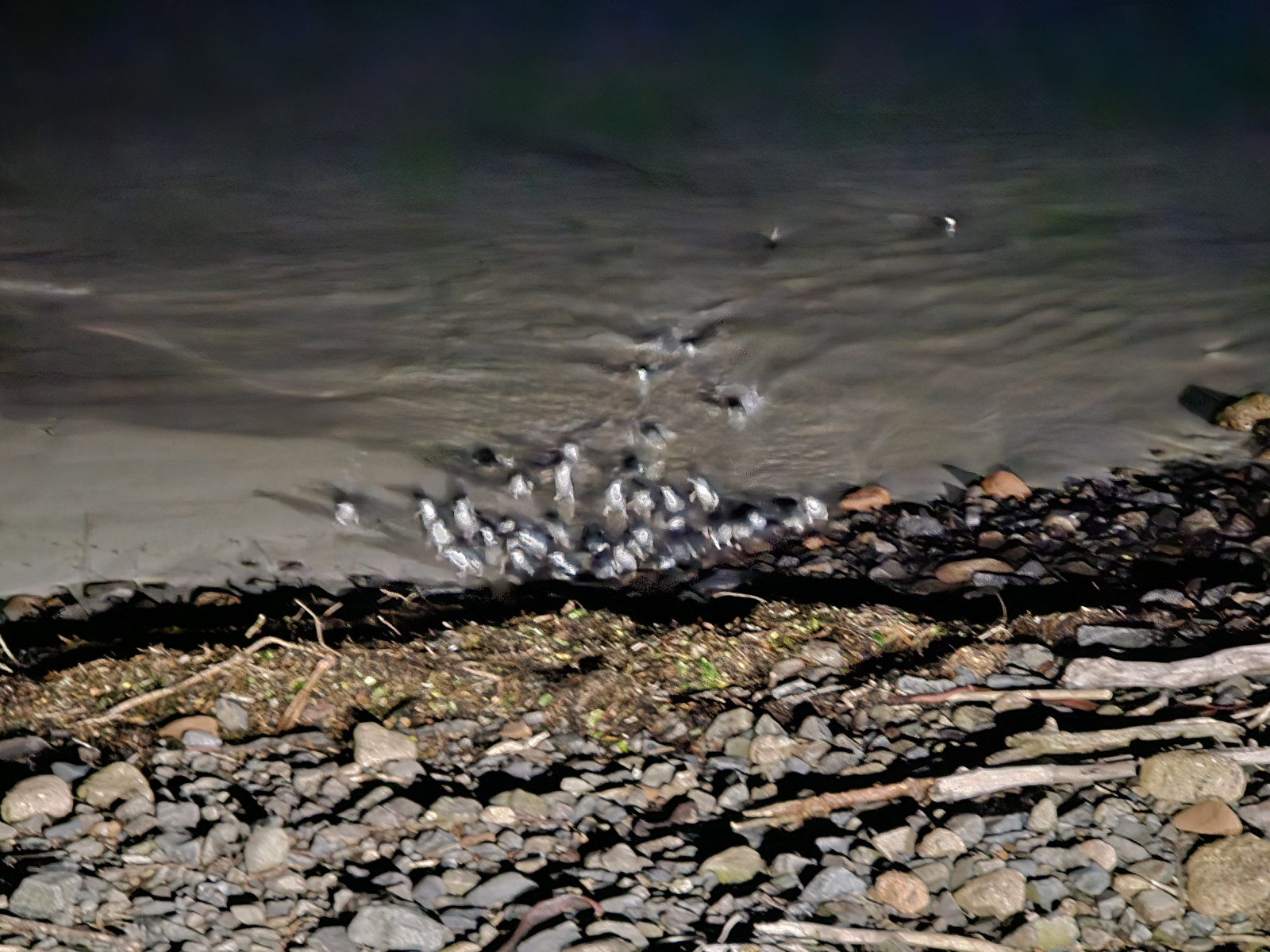
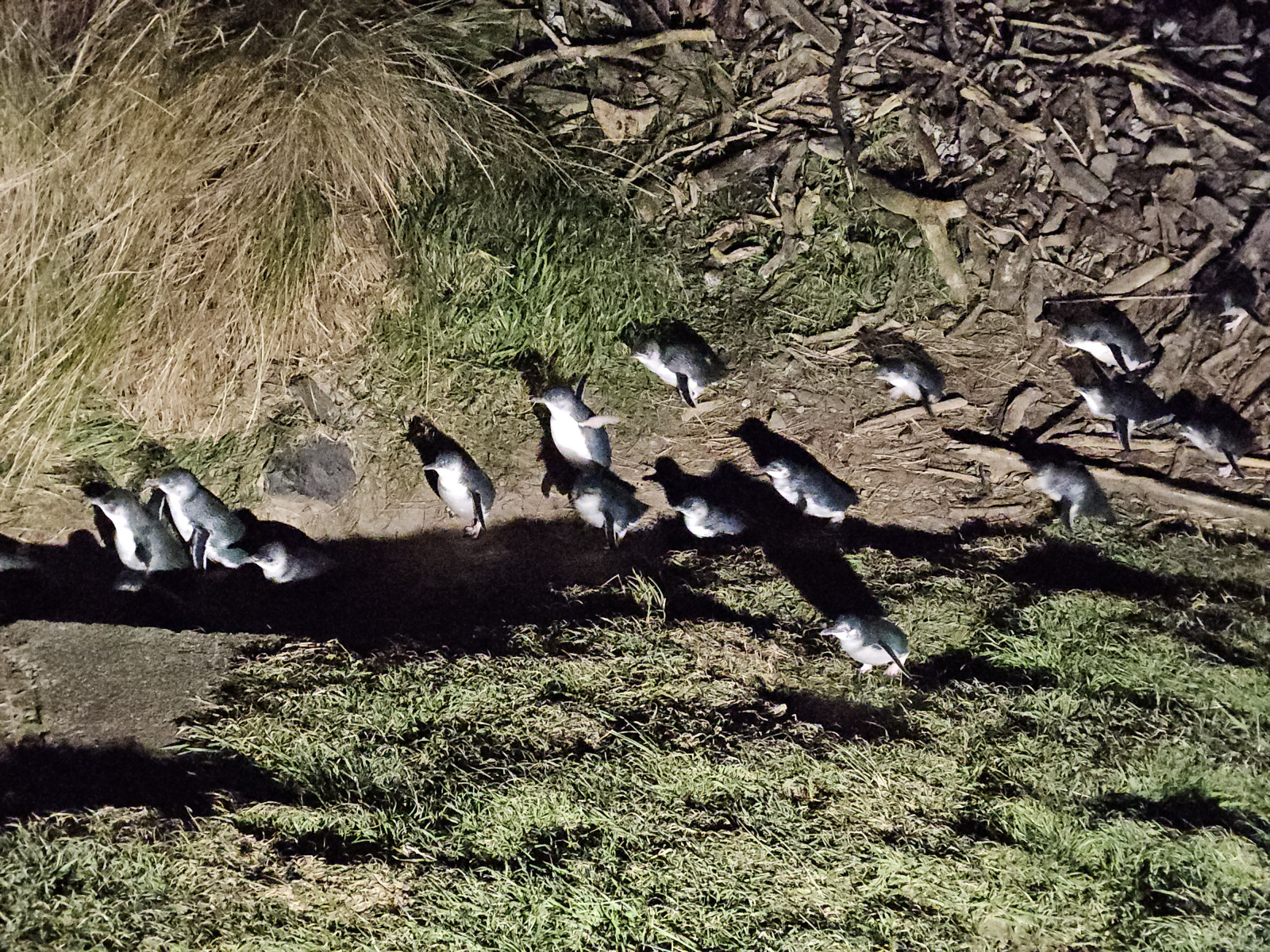
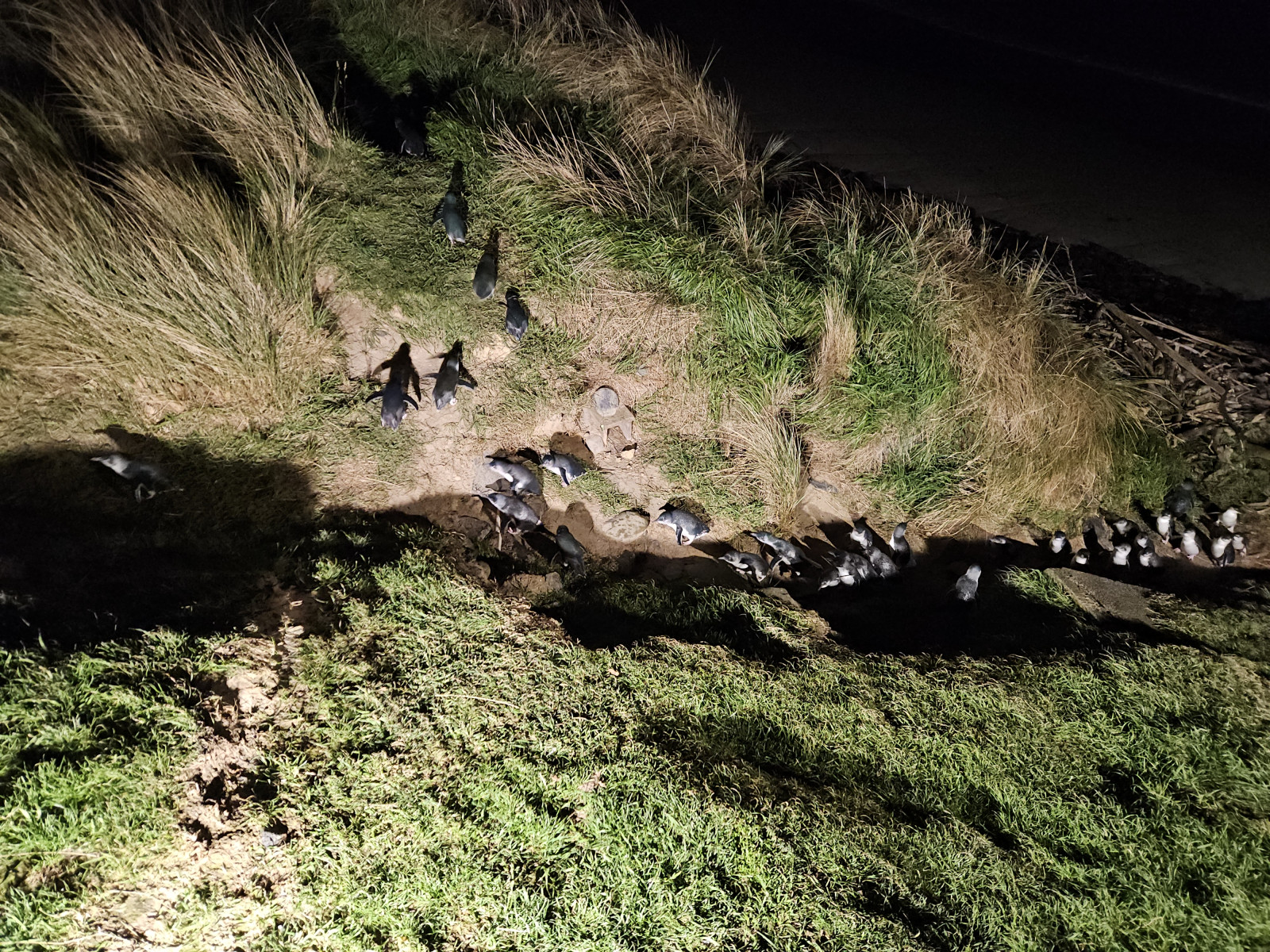
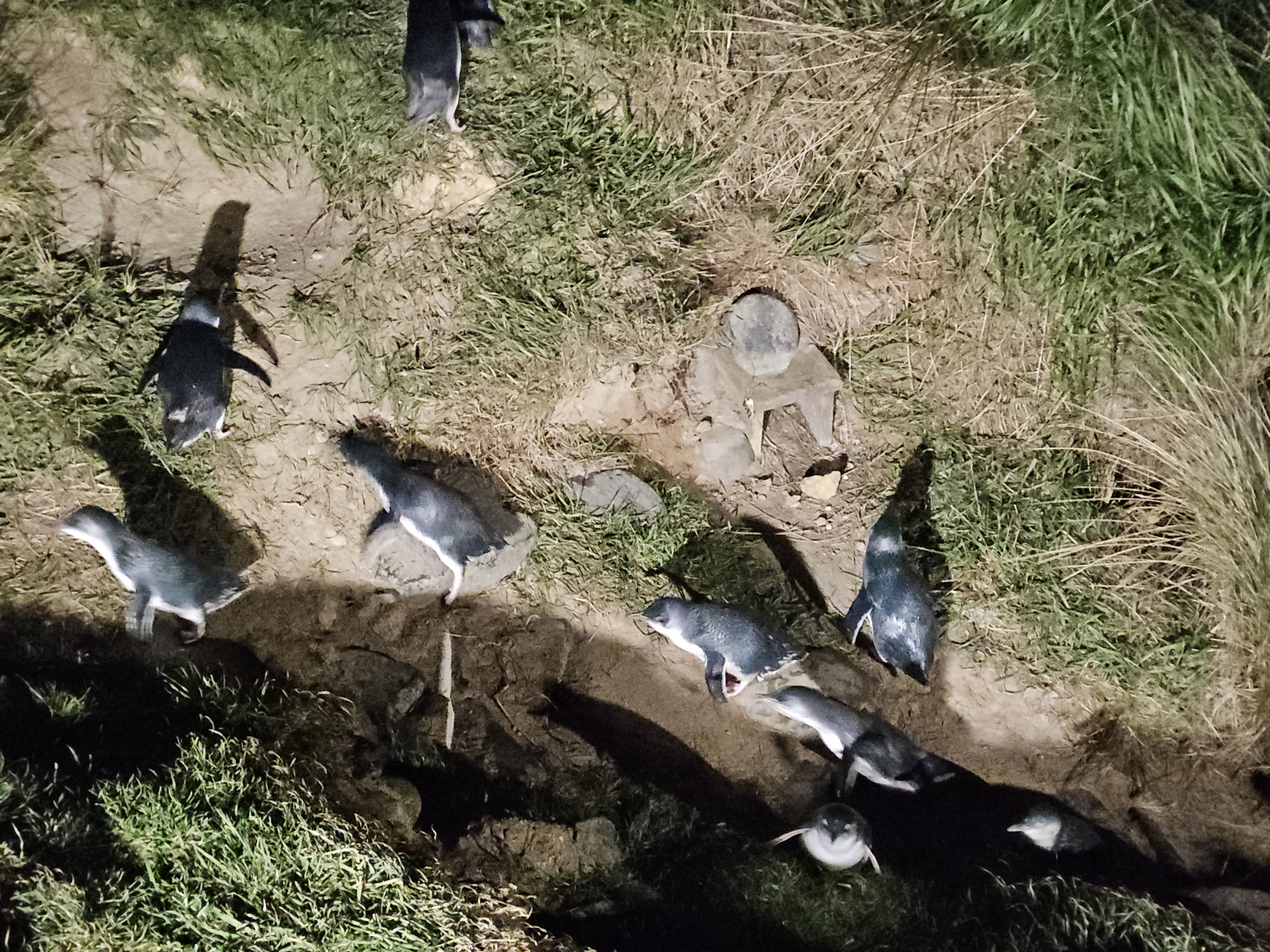
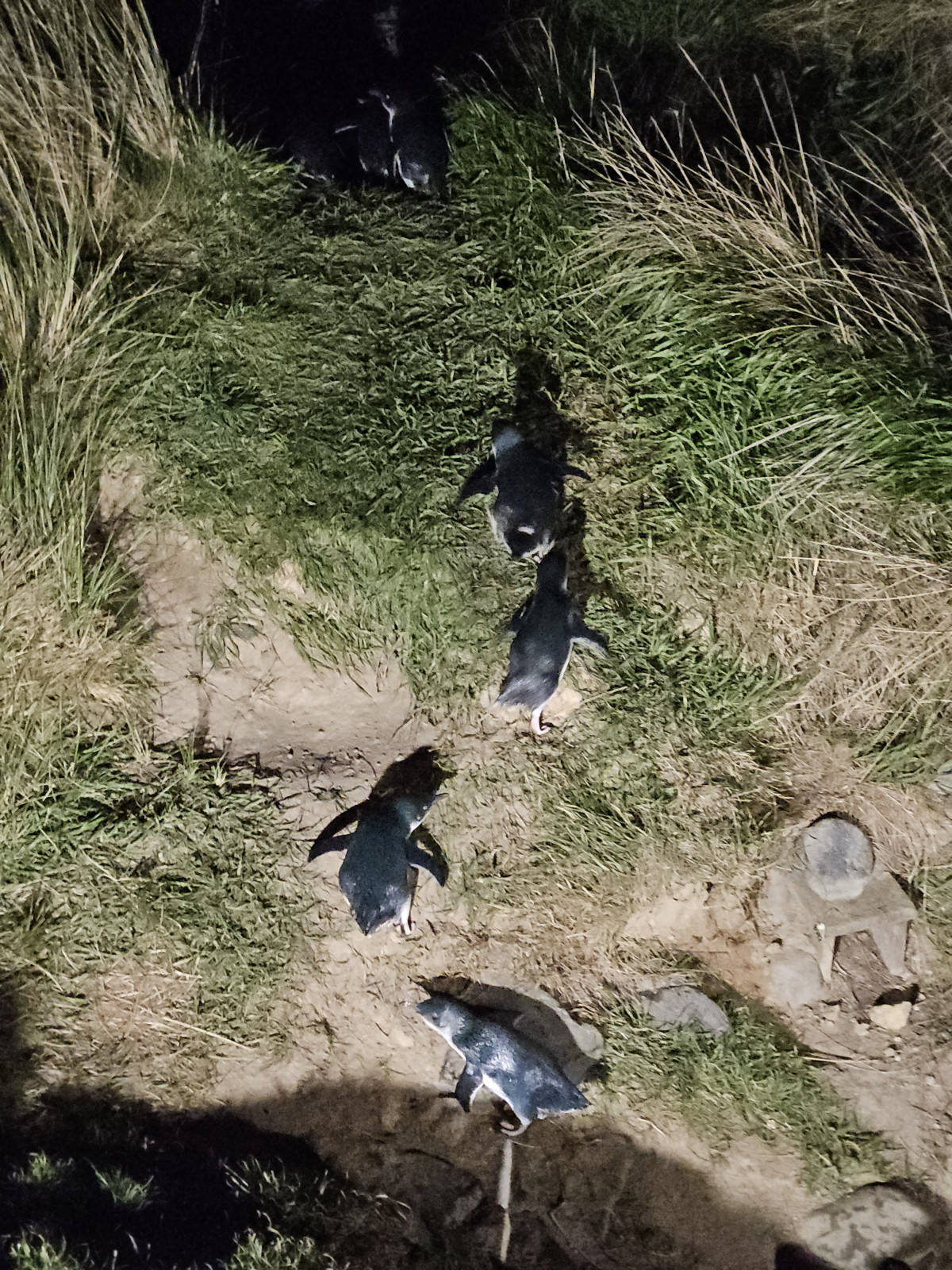
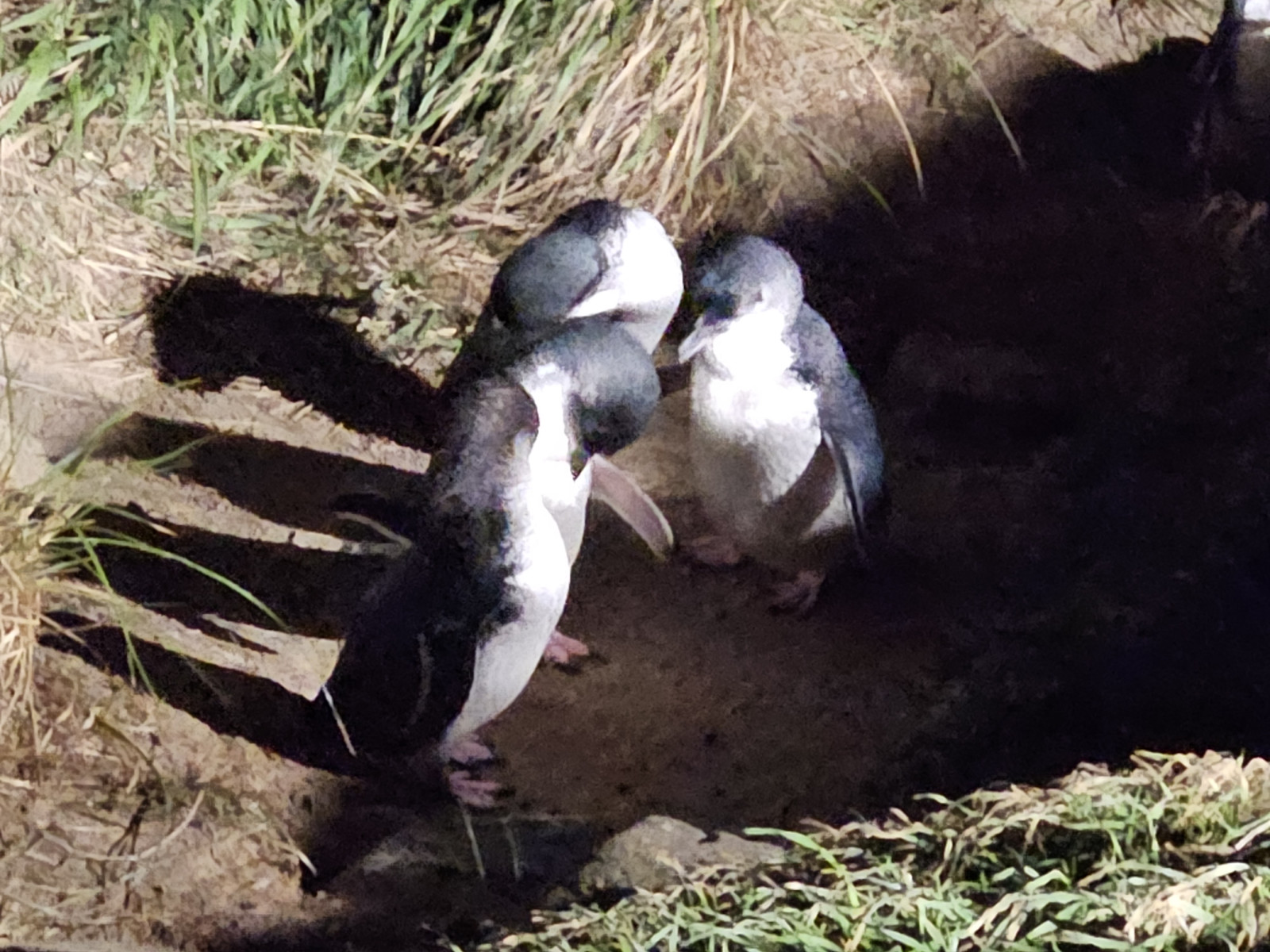
Another group (or “raft”) of penguins came through the water and onto land, crossing the beach and spreading out like the first lot. There were two young brown ones who had been waiting for their parents. They provided a comedy show for us as they chased and hounded their parents for food.
Finally the staff had to wrap things up, and we reluctantly went back to our car. Thankfully we didn’t have to navigate Highcliff Road in the dark - there’s another, safer road along the waterfront.
Day 8: Home
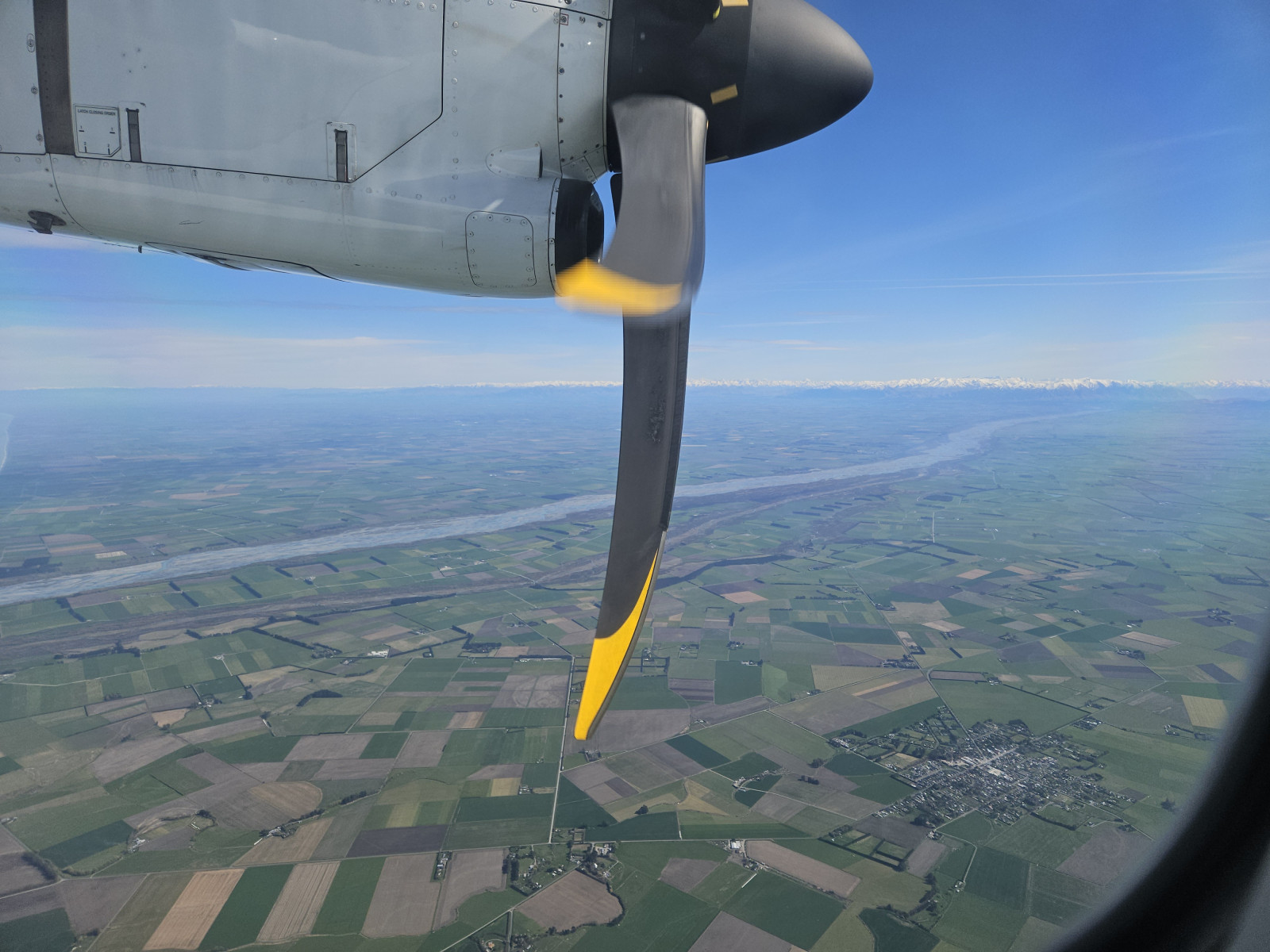
On our final morning, we packed up our stuff for the last time and drove our trusty steed to Dunedin airport to begin the trip home. Dunedin airport (with a hilarious code of DUD) is technically international, but for some reason the only overseas link from there is to the Gold Coast, so we would need a stopover in Christchurch. I read once that a lot of Kiwis work on the Gold Coast erecting scaffolding, so maybe they all come from Dunedin, possibly in some kind of FIFO situation. I suppose they’re drawn to the warm weather and tall buildings, which must seem very exotic to them.
It’s also a minor enough airport that there is no security screening for domestic flights. Do with that information what you will.
I bought one last souvenir in the airport to use up last of the kiwibucks on my travel card: a t-shirt with “Dunedin” on it in a gothic font, which is kind of a wordmark for the city that appears on signs all over the place. More cities should have logos, I think.
There’s not much else to write here. The flight home was smooth sailing. In fact, the whole trip really went off without a hitch. Travelling is basically a long series of opportunities for things to go wrong; a sort of gamble where we bet that we’ll have enough good experiences and memories to offset whatever disasters might happen (in addition to all the money spent and the inherent stress of travel). In this instance, we won the bet. Probably the worst thing that happened was that we left two cans of IPA in the fridge at our motel in Te Anau, but the staff there were very nice so at least it serves as a tip for them.
The highlights:
- The penguins at the Otago Peninsula
- The Hooker Valley Track
- Milford Sound
In conclusion: I recommend visiting New Zealand. ◼